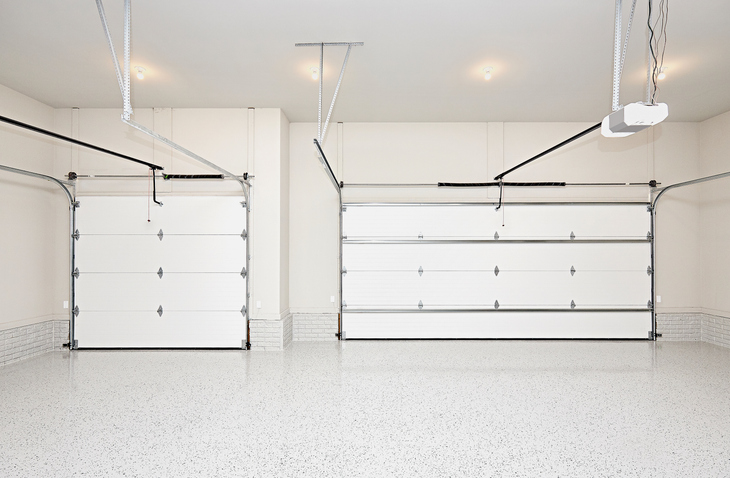
As a homeowner, you might not give much thought to your garage door beyond its basic function. However, when it comes to maintaining a comfortable and healthy home environment, the role of garage door insulation and its impact on indoor air quality cannot be overstated. In fact, insulating your garage door can significantly improve your home’s energy efficiency and air quality.
Many homeowners overlook the garage as a part of their living space, but it can have a substantial influence on the overall climate and air quality inside your house. Proper garage door insulation helps in regulating temperatures, which can ultimately lead to a healthier and more comfortable living space.
Why Is Garage Door Insulation Important?
Insulating your garage door serves multiple purposes. Firstly, it acts as a barrier against temperature fluctuations, keeping your garage cooler in the summer and warmer in the winter. This not only enhances comfort but also helps in reducing energy costs. Secondly, it plays a vital role in improving the air quality within your garage and the adjoining areas.
Energy Efficiency and Cost Savings
One of the key benefits of garage door insulation is the potential for energy savings. By reducing the amount of heat lost or gained through the garage, your heating and cooling systems do not have to work as hard, leading to lower energy bills. Furthermore, this can significantly extend the lifespan of your HVAC system, saving you money in the long run.
Improving Indoor Air Quality
Insulating your garage door can also prevent pollutants and allergens from entering the living areas of your home. By sealing gaps and reducing drafts, you can minimize the intrusion of dust, pollen, and other airborne contaminants, thereby enhancing the overall indoor air quality.
Types of Garage Door Insulation
There are several types of insulation materials available for garage doors, each with its unique benefits. The choice of material can significantly affect both the efficiency and the cost of the insulation project.
Polystyrene Insulation
Polystyrene is a popular choice due to its affordability and effectiveness. It is available in rigid panels that are easy to install and provide excellent thermal resistance. This type of insulation is ideal for homeowners looking to improve their garage’s energy efficiency without breaking the bank. For more information on polystyrene insulation, visit Polystyrene Insulated Doors.
Polyurethane Insulation
Polyurethane offers superior insulation properties compared to polystyrene. It is a foam that expands to fill the entire space within the garage door panels, providing a tight seal and exceptional thermal resistance. While this option is more expensive, it offers better performance, particularly in extreme weather conditions.
Reflective Insulation
This type of insulation uses reflective materials to deflect heat and light, making it particularly useful in hot climates. Reflective insulation is often used in combination with other types of insulation to enhance its effectiveness.
Installation Process
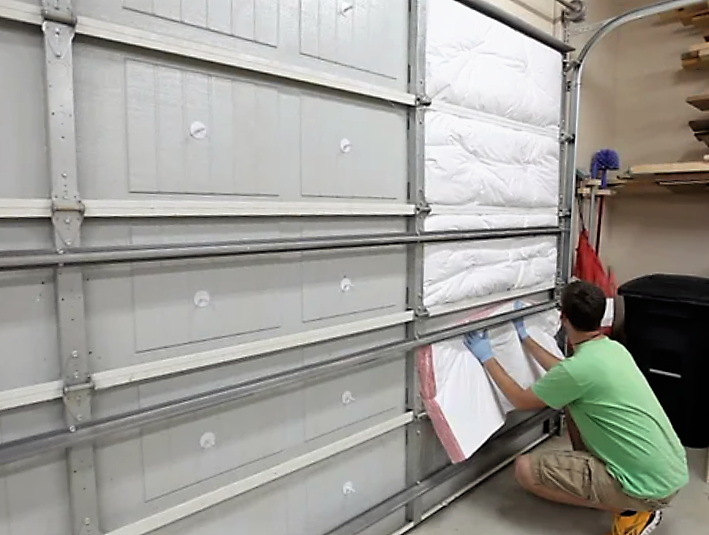
Installing garage door insulation can be a DIY project for those with the right skills and tools. However, hiring a professional can ensure the job is done correctly and efficiently.
DIY Installation
If you decide to tackle the installation yourself, make sure to measure the door accurately and purchase the right amount of insulation material. Follow the manufacturer’s instructions carefully to avoid any mistakes that could compromise the insulation’s effectiveness.
Professional Installation
Hiring a professional might be the best option if you’re not confident in your DIY skills. A professional installer will ensure that the insulation is installed properly, maximizing its benefits. For expert assistance, consider reaching out to [Garage Doors Repair Las Vegas](https://garagedoorsrepairlasvegas.com/garage-door-insulation-for-car-protection/).
Impact on Home Environment
Beyond energy efficiency and air quality, garage door insulation can also impact the overall comfort and functionality of your home.
Noise Reduction
Insulated garage doors are known for their soundproofing qualities. They can significantly reduce noise from both outside and within the garage, creating a quieter and more peaceful home environment.
Enhanced Durability
Insulated doors are typically more robust and durable than non-insulated doors. They can withstand harsh weather conditions better and are less prone to dents and damage.
Common Misconceptions
There are several misconceptions surrounding garage door insulation. One common myth is that it is only necessary in cold climates. In reality, insulation is beneficial in all climates as it helps maintain a stable temperature range in the garage.
Choosing the Right Insulation
When selecting insulation for your garage door, consider factors such as climate, budget, and specific needs. Consulting with a professional can provide valuable insights and help you make an informed decision.
Maintenance Tips
Maintaining your insulated garage door is essential for ensuring its longevity and efficiency. Regularly check for any signs of wear and tear, and address any issues promptly to prevent further damage.
Environmental Impact
Insulating your garage door also has positive environmental implications. By reducing energy consumption, you contribute to a decrease in greenhouse gas emissions, playing your part in protecting the environment.
Frequently Asked Questions
1. How much does garage door insulation cost?
The cost varies depending on the type of insulation and whether you choose DIY or professional installation. On average, homeowners can expect to spend between $200 and $600.
2. Can insulated garage doors be painted?
Yes, most insulated garage doors can be painted. However, it’s essential to use paint that is compatible with the insulation material to avoid any adverse effects.
3. Does insulation affect the operation of the garage door?
Properly installed insulation should not affect the operation of the garage door. In fact, it can enhance its performance by reducing noise and improving overall efficiency.
To learn more about the benefits of insulating your garage door, visit B&D Doors.
This article contains affiliate links. We may earn a commission at no extra cost to you.