When it comes to maintaining a comfortable and safe home environment, garage door insulation and pest control are essential considerations for any homeowner. By understanding the significance of insulating your garage and keeping pests at bay, you can enhance the overall quality of your living space. This guide will take you through the various aspects of garage door insulation and how it plays a crucial role in pest control.
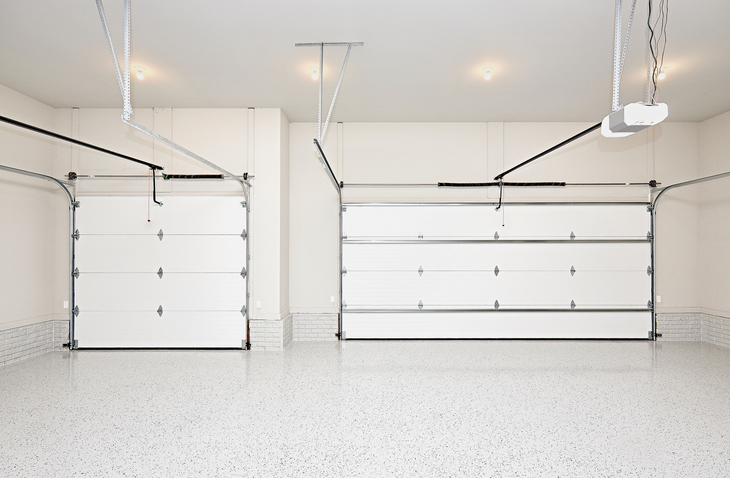
Why Insulate Your Garage Door?
Garage door insulation is not just about maintaining temperature; it’s about creating a more efficient and pest-free home. Insulated garage doors help regulate temperature, reduce energy bills, and provide a barrier against unwanted pests.
Energy Efficiency
One of the primary benefits of garage door insulation is improved energy efficiency. An insulated garage door helps to maintain the temperature inside your garage, making it easier to heat or cool your home. This results in lower energy bills and a smaller carbon footprint.
Comfort
An insulated garage door can significantly enhance the comfort level of your home. By reducing the transfer of heat and cold, your garage becomes a more usable space throughout the year, whether it’s being used for storage, a workshop, or even a home gym.
Understanding Pest Control
Pest control is an integral part of home maintenance, especially in areas like the garage where pests commonly infiltrate. Effective pest control measures can prevent infestations and protect your home from damage.
Common Pests in Garages
Garages can attract a variety of pests, including rodents, insects, and spiders. These pests are often drawn to the garage due to the availability of food, warmth, and shelter.
Preventive Measures
Implementing preventive measures such as sealing gaps, installing weather stripping, and maintaining cleanliness can significantly reduce the likelihood of pest infestations in your garage. Regular inspections and prompt action can also help in keeping your garage pest-free.
How Garage Door Insulation Helps in Pest Control
Insulated garage doors act as a barrier against pests, making it more difficult for them to enter your home. The materials used in insulation, such as foam and fiberglass, are not only effective in temperature regulation but also in blocking entry points for pests.
Sealing Entry Points
An insulated garage door can help seal potential entry points for pests, reducing the chance of infestations. By eliminating gaps and cracks, you can keep unwanted guests outside where they belong.
Deterring Rodents and Insects
Insulated doors are less likely to be penetrated by rodents and insects, as they provide a robust barrier. This makes them an effective component of your overall pest control strategy.
Choosing the Right Garage Door Insulation
Selecting the appropriate insulation for your garage door can make a significant difference in both energy efficiency and pest control. Factors to consider include the type of insulation material, R-value, and installation process.
Types of Insulation
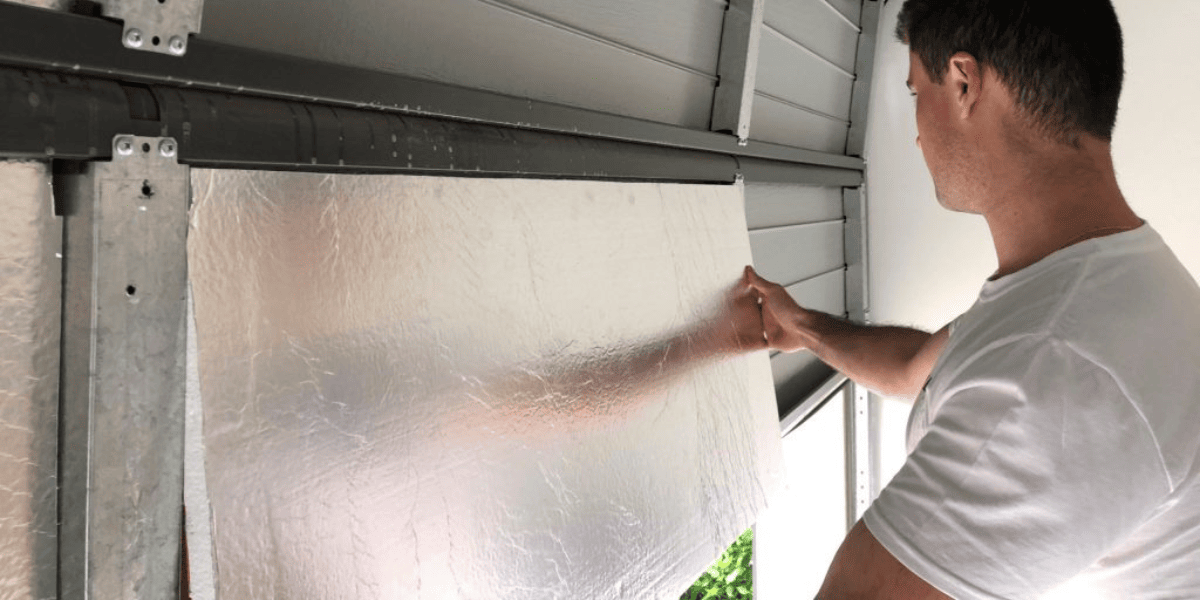
The most common types of garage door insulation materials include foam board, reflective insulation, and fiberglass batt insulation. Each type offers different benefits, so it’s essential to choose the one that best fits your needs.
For more information on the pros and cons of insulated versus non-insulated garage doors, visit this guide.
R-Value
The R-value of insulation refers to its ability to resist heat flow. A higher R-value indicates better insulation performance. When selecting insulation for your garage door, aim for a higher R-value to maximize its benefits.
Installation Process
Proper installation is crucial for the effectiveness of garage door insulation. Whether you choose to DIY or hire a professional, ensure that the insulation is installed correctly to prevent gaps and ensure optimal performance.
Maintaining Your Insulated Garage Door
Regular maintenance of your insulated garage door is essential to ensure it continues to provide energy efficiency and pest control benefits. This includes checking for wear and tear, cleaning, and making necessary repairs.
Regular Inspections
Conduct regular inspections of your garage door to identify any signs of damage or wear. This allows you to address issues promptly and maintain the integrity of your insulation.
Cleaning and Repairs
Keep your garage door clean and make repairs as needed to prevent deterioration. A well-maintained door will last longer and continue to offer the benefits of insulation and pest control.
Conclusion
Incorporating garage door insulation and pest control into your home maintenance routine can lead to a more comfortable, energy-efficient, and pest-free living environment. By choosing the right insulation, understanding its benefits, and maintaining your garage door, you can enjoy a home that is better protected against the elements and unwanted pests.
Explore more about garage door insulation before winter and garage door insulation and tool storage.
FAQs
What are the benefits of garage door insulation?
Garage door insulation offers energy efficiency, increased comfort, and pest control benefits. It helps regulate temperature and acts as a barrier against pests.
How does insulated garage door help in pest control?
An insulated garage door seals entry points, deters rodents and insects, and provides a robust barrier against pests, reducing the risk of infestations.
What type of insulation is best for my garage door?
The best type of insulation depends on your specific needs and preferences. Foam board, reflective insulation, and fiberglass batt insulation are popular options with different benefits.
This article contains affiliate links. We may earn a commission at no extra cost to you.