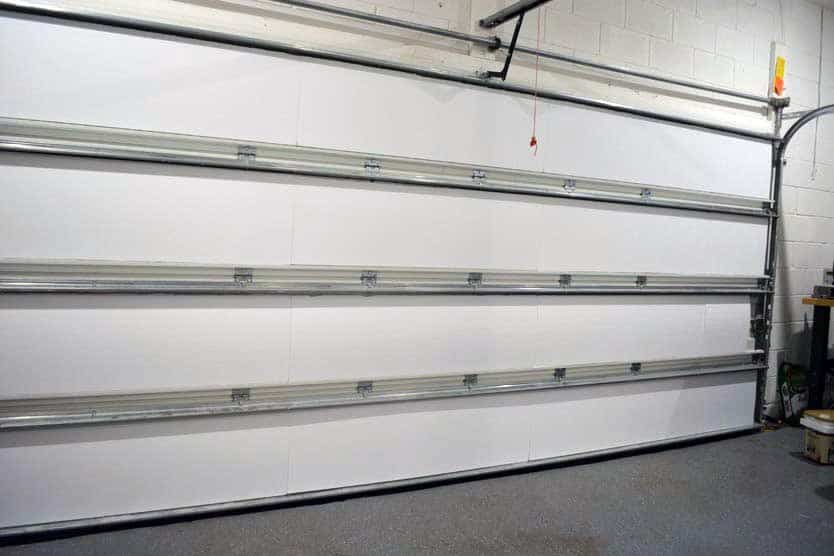
The modern home is evolving, and with it, the components that make up our living spaces. One area that is often overlooked is the garage. Garage Door Insulation is becoming an integral part of Smart Homes, offering benefits that go beyond just temperature control. With advancements in technology, insulating your garage door not only enhances energy efficiency but also integrates seamlessly into the smart home ecosystem.
Understanding Garage Door Insulation
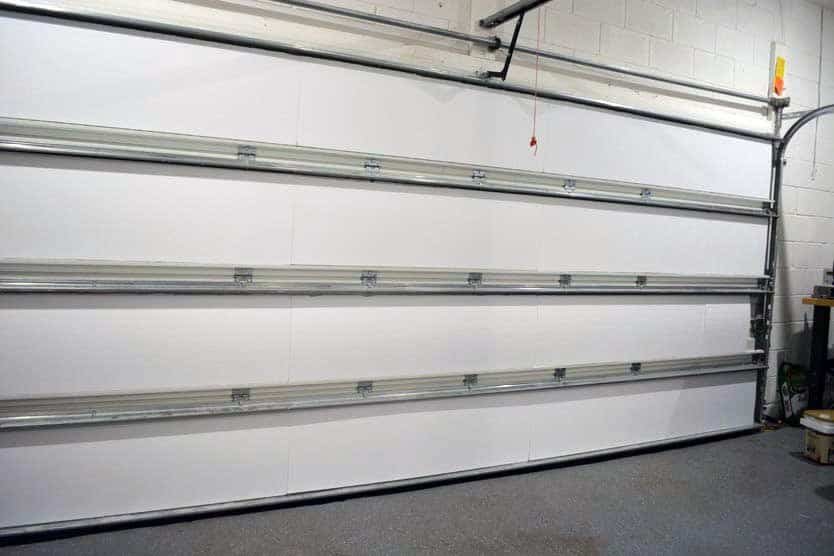
Before diving into how garage door insulation fits into smart homes, it’s essential to understand what it entails. Insulating a garage door involves adding materials that help retain heat or cool air, depending on the weather. This process can significantly reduce energy costs, making your home more eco-friendly.
The Importance of Garage Door Insulation
Many homeowners underestimate the impact of an uninsulated garage door. Without proper insulation, garages can become extreme in temperature, affecting not only the comfort of those who use it but also the items stored within. For detailed insights on garage door insulation, consider visiting this resource.
Types of Insulation Materials
When choosing insulation for your garage door, it’s crucial to consider the different types available. Common materials include fiberglass, foam board, and reflective insulation. Each type has its own set of advantages, so selecting the right one depends on your specific needs and climate.
Fiberglass Insulation
Fiberglass is a popular choice due to its affordability and effectiveness. It comes in batts or rolls and can be easily installed. This material is excellent for reducing heat loss and is often used in conjunction with other insulation types for enhanced efficiency.
Foam Board Insulation
Foam board insulation offers a high R-value, which measures the insulation’s thermal resistance. These boards are lightweight and easy to cut, making them a convenient option for many homeowners.
Reflective Insulation
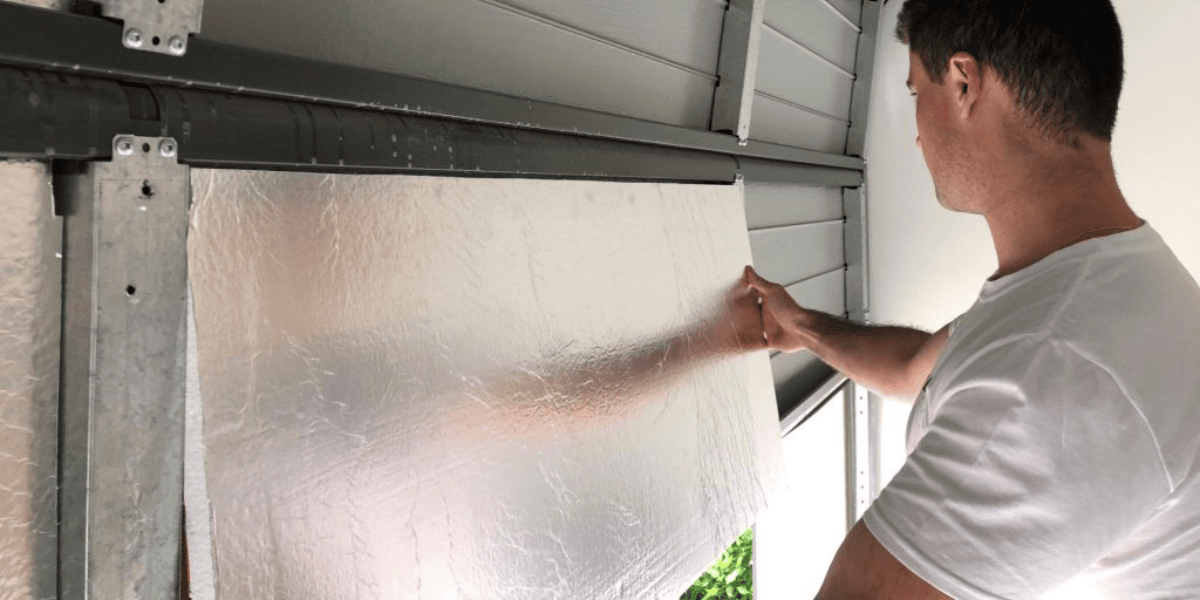
This type of insulation is particularly effective in hot climates. It reflects heat away from the garage, keeping it cooler. Reflective insulation is usually installed on the inside of the garage door, providing an extra layer of protection against heat.
Integrating Garage Door Insulation into Smart Homes
With the rise of smart home technology, integrating garage door insulation with smart systems can enhance your home’s efficiency. Smart thermostats, sensors, and other devices can work together to optimize energy use, providing comfort while reducing costs.
Smart Thermostats
Smart thermostats can monitor and adjust the temperature in your garage, ensuring that it remains comfortable without wasting energy. By connecting your thermostat to your insulated garage door, you can create a more efficient system that responds to temperature changes in real-time.
Temperature Sensors
Installing temperature sensors in your garage can help you keep track of any fluctuations. These sensors can send alerts to your smartphone, allowing you to make adjustments as needed. This feature is particularly useful in preventing damage to sensitive items stored in your garage.
Benefits of Garage Door Insulation in Smart Homes
Integrating garage door insulation into a smart home offers numerous benefits. It enhances energy efficiency, improves comfort, and increases the overall value of your home. Additionally, it contributes to a more sustainable lifestyle by reducing energy consumption.
Energy Efficiency
An insulated garage door keeps your home warmer in the winter and cooler in the summer. This reduces the need for heating and cooling, leading to lower energy bills. For more insights on energy efficiency, check out this blog.
Increased Comfort
A well-insulated garage door enhances comfort by maintaining a consistent temperature. This is especially beneficial if your garage is attached to your home or used as a living space.
Enhanced Home Value
Investing in garage door insulation and integrating it into your smart home can increase your property’s value. Potential buyers are often looking for energy-efficient homes, and a smart garage is an attractive feature.
Installation Process
Installing garage door insulation is a straightforward process that can be done by professionals or as a DIY project. If you’re considering doing it yourself, ensure you have the right tools and materials, and follow the manufacturer’s instructions carefully.
Professional Installation
Hiring professionals to install your garage door insulation ensures the job is done correctly and efficiently. Professionals have the experience and knowledge to select the right materials and methods for your specific needs.
DIY Installation
If you’re a DIY enthusiast, insulating your garage door yourself can be a rewarding project. Ensure you measure accurately and use high-quality materials for the best results.
Maintenance Tips for Insulated Garage Doors
Once your garage door is insulated, regular maintenance is crucial to ensure its longevity and effectiveness. Regularly check for any gaps or damage in the insulation and make necessary repairs promptly.
Checking for Gaps
Inspect your garage door regularly for any gaps or areas where the insulation may have shifted. These gaps can reduce the effectiveness of your insulation, so it’s essential to address them quickly.
Repairing Damages
If you notice any damage to your insulation, repair it as soon as possible. Small repairs can prevent larger, more costly issues in the future.
Future Trends in Garage Door Insulation and Smart Homes
The future of garage door insulation in smart homes is promising, with new technologies and materials continually being developed. As smart home technology evolves, we can expect even greater integration and efficiency in the coming years.
Advanced Materials
Research is ongoing in developing new materials that offer better insulation properties and are more environmentally friendly. These advancements will likely lead to more efficient and sustainable options for homeowners.
Smart Integration
As smart home technology advances, we can expect to see more seamless integration of garage doors with other smart systems. This will enhance convenience and efficiency, making smart homes even more appealing to homeowners.
Conclusion
Incorporating garage door insulation into your smart home is a wise investment that offers numerous benefits. From improved energy efficiency to enhanced comfort and increased home value, the advantages are clear. As technology continues to advance, the integration of garage doors with smart systems will become even more seamless, offering homeowners an unparalleled level of convenience and efficiency.
FAQs
What are the main benefits of garage door insulation?
Garage door insulation enhances energy efficiency, increases comfort, and adds value to your home.
Can I install garage door insulation myself?
Yes, garage door insulation can be a DIY project, but professional installation ensures optimal results.
How does garage door insulation integrate with smart home systems?
Garage door insulation can be integrated with smart thermostats and sensors to optimize energy use and enhance comfort.
This article contains affiliate links. We may earn a commission at no extra cost to you.