As the summer months approach, ensuring your garage door is properly insulated can make a significant difference in your home’s comfort and energy efficiency. Many homeowners overlook the importance of garage door insulation before summer, but it plays a crucial role in maintaining the desired indoor temperature and reducing electricity bills.
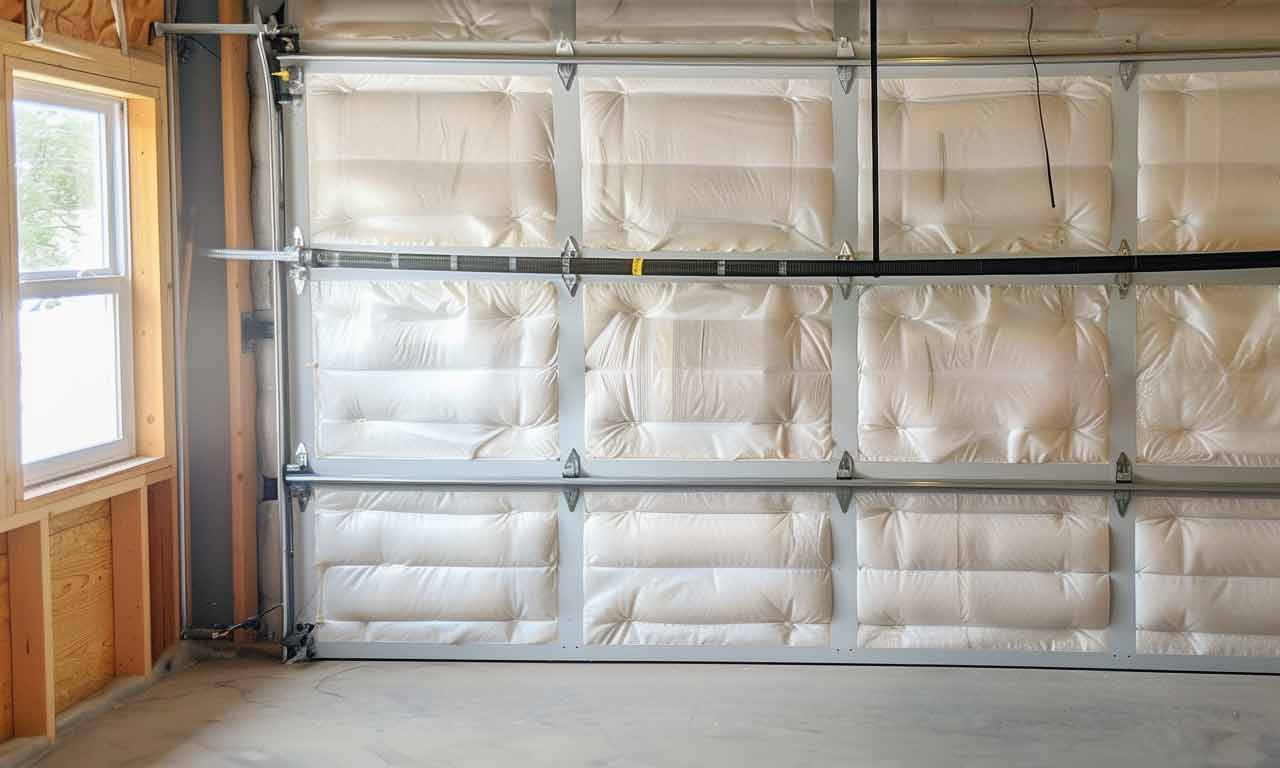
Why Insulate Your Garage Door Before Summer?
Insulating your garage door before the summer heat hits has multiple benefits. It not only keeps your garage cooler but also helps in maintaining a consistent temperature in adjoining rooms. A well-insulated garage can prevent heat from seeping into your living spaces, making your air conditioning system work less, thereby saving you money on energy costs.
Benefits of Garage Door Insulation
Energy Efficiency
By insulating your garage door, you enhance your home’s energy efficiency. This is particularly important in the summer when your air conditioning unit is working overtime. A well-insulated garage door can reduce the amount of hot air entering your home, thus reducing the load on your cooling system.
Improved Comfort
An insulated garage door helps maintain a comfortable temperature inside your garage. This is especially beneficial if you use your garage as a workshop, gym, or additional living space. With proper insulation, you can enjoy these spaces without the discomfort of excessive heat.
Noise Reduction
Insulating your garage door can also help reduce noise from outside. If your garage is attached to your home, this can be a significant advantage, especially if you live in a noisy neighborhood or near a busy street.
Types of Garage Door Insulation
Polystyrene Panels
Polystyrene insulation panels are a popular choice for garage doors. They are lightweight and easy to install, providing a decent level of insulation.
Polyurethane Insulation
Polyurethane is a more effective insulation material, providing a higher R-value (a measure of thermal resistance) compared to polystyrene. It is injected into the garage door panels, offering excellent insulation and strength.
Reflective Insulation
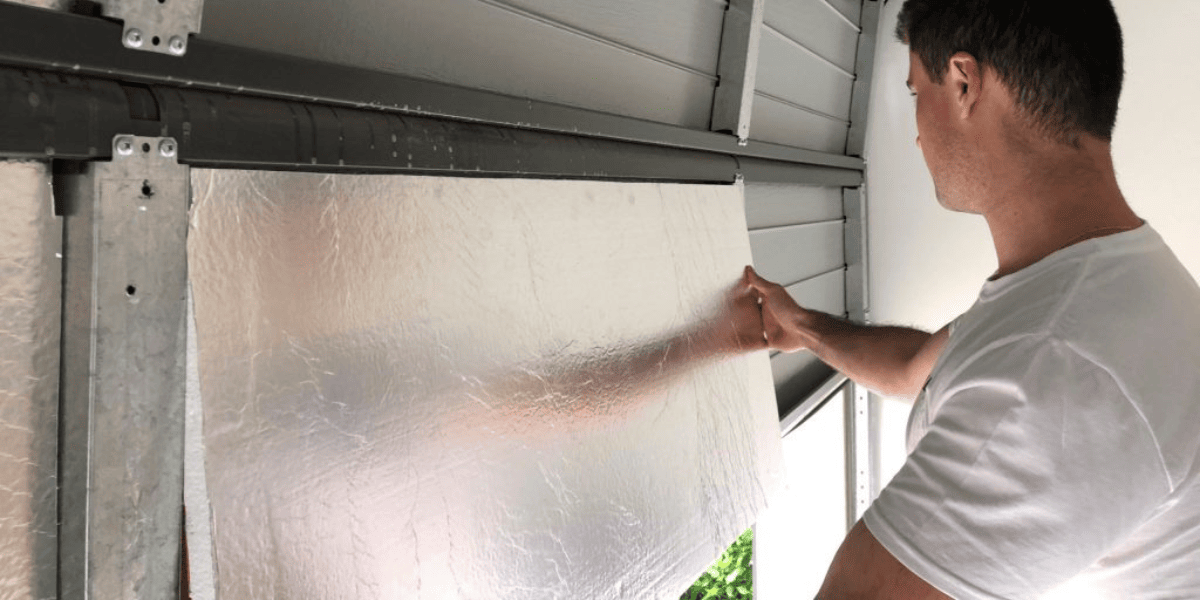
Reflective insulation involves a layer of foil that reflects heat away from the garage. This type is often used in combination with other insulation types to maximize effectiveness.
Steps to Insulate Your Garage Door
Step 1: Measure Your Garage Door
Before purchasing insulation materials, measure the dimensions of your garage door to determine how much insulation you need.
Step 2: Choose the Right Insulation
Based on your budget and insulation needs, choose the appropriate insulation type. Remember that while polyurethane offers better insulation, it is also more expensive.
Step 3: Install the Insulation
Follow the manufacturer’s instructions to install the insulation. Ensure that all panels are securely attached and cover the entire door surface.
Maintaining Your Insulated Garage Door
Regular maintenance is key to ensuring your garage door insulation remains effective. Check for any gaps or damage periodically and replace any worn-out insulation materials. Lubricate moving parts to keep the door functioning smoothly.
Cost Considerations
The cost of insulating your garage door varies depending on the materials used and whether you hire a professional or do it yourself. While professional installation ensures a perfect fit, DIY options are more budget-friendly.
Environmental Benefits
Insulating your garage door is not only beneficial for your home but also for the environment. By reducing energy consumption, you contribute to a decrease in carbon emissions, promoting a greener planet.
FAQs
What is the best insulation for garage doors?
Polyurethane insulation is considered the best due to its high R-value and durability.
How much does it cost to insulate a garage door?
The cost can range from $100 to $500 depending on the material and whether you opt for professional installation.
Can I insulate my garage door myself?
Yes, many homeowners successfully insulate their garage doors using DIY kits available at hardware stores.
For more detailed information on insulating garage doors for specific needs, you can visit Garage Door Insulation for Schools, Garage Door Insulation and HOA Rules, or Garage Door Insulation for Car Protection.
This article contains affiliate links. We may earn a commission at no extra cost to you.