When it comes to improving your home’s energy efficiency and comfort, one area that often gets overlooked is the garage door. A well-insulated garage door can make a significant difference in maintaining the temperature inside your garage, which in turn affects your home’s overall energy consumption. That’s why we’ve created this comprehensive garage door insulation buyer’s guide to help you make an informed decision.

Why Insulate Your Garage Door?
Before diving into the specifics, let’s understand why garage door insulation is essential. An insulated garage door can help reduce energy loss, making your home more energy-efficient. It also provides a more comfortable environment, especially if you use your garage as a workspace or for storage. Additionally, insulation can help reduce noise and increase the door’s durability.
Energy Efficiency
One of the primary reasons homeowners choose to insulate their garage doors is to improve energy efficiency. A poorly insulated garage door allows heat to escape during the winter and lets heat in during the summer, resulting in increased energy bills. By insulating your garage door, you can maintain a more consistent temperature and reduce the load on your HVAC system.
Comfort and Usability
If you use your garage for more than just parking your car, insulation becomes even more critical. Whether you have a home gym, a workshop, or a play area for the kids, maintaining a comfortable temperature is essential. Insulation helps create a more pleasant environment, allowing you to use the space year-round.
Noise Reduction
Insulated garage doors can also help reduce noise, both from outside and inside the garage. If you live in a noisy neighborhood or have a bedroom above the garage, reducing the noise level can significantly improve your quality of life.
Types of Garage Door Insulation
There are several types of insulation materials available for garage doors, each with its own benefits and drawbacks. Here’s a look at the most common options:
Polystyrene Foam
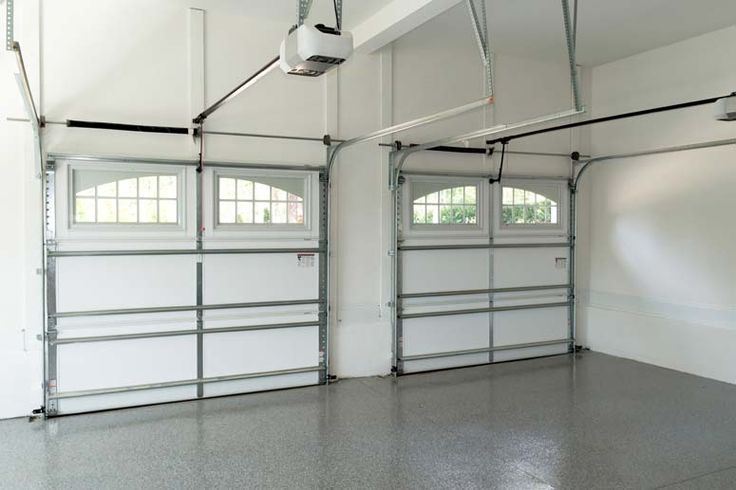
Polystyrene foam is a popular choice for insulating garage doors. It is lightweight, easy to install, and provides good thermal resistance. This type of insulation is typically available in rigid panels that fit between the door’s panels.
Polyurethane Foam
Polyurethane foam is another excellent option for garage door insulation. It is injected into the door’s panels, providing a higher R-value (a measure of thermal resistance) compared to polystyrene. Polyurethane foam is ideal for those seeking maximum insulation and energy efficiency.
Reflective Insulation
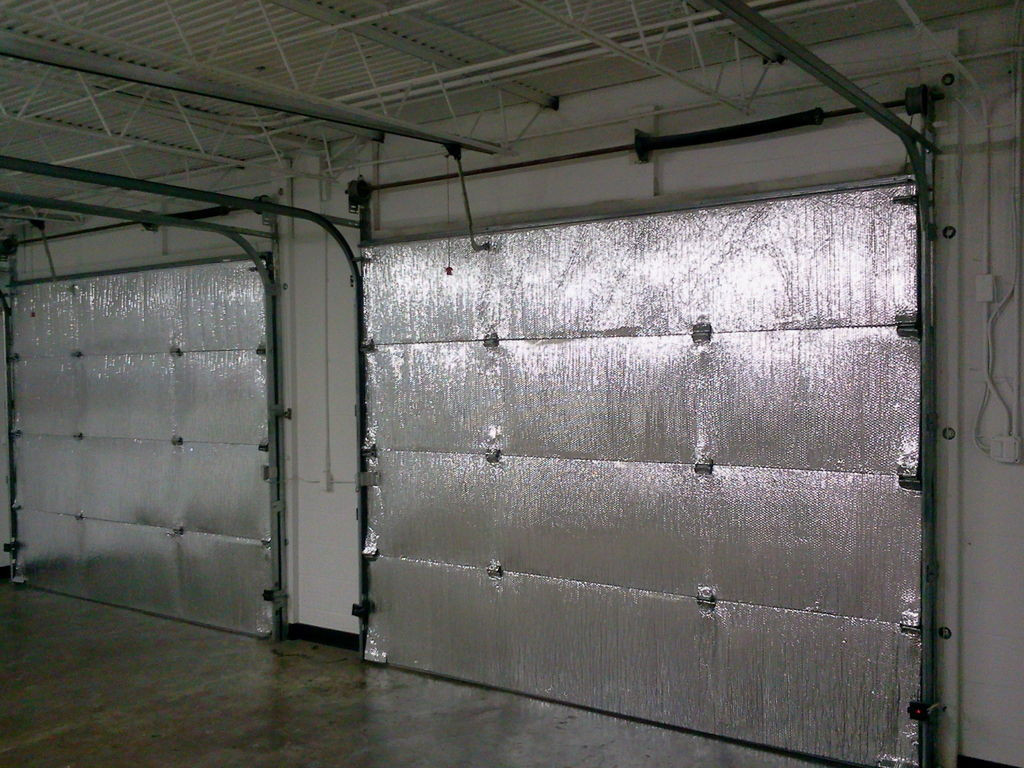
Reflective insulation consists of a layer of foil that reflects radiant heat. It’s a great option for hot climates, as it helps keep the garage cooler. However, it’s less effective in cold climates compared to foam insulation.
Factors to Consider When Choosing Garage Door Insulation
When selecting the right insulation for your garage door, consider the following factors:
Climate
Your local climate will play a significant role in determining the best insulation type. In colder climates, foam insulation with a higher R-value is recommended. In warmer areas, reflective insulation may be more suitable.
Garage Usage
Consider how you use your garage. If it’s primarily for parking, basic insulation may suffice. However, if you use the space for other activities, investing in higher-quality insulation will pay off in comfort and energy savings.
Budget
Insulation costs can vary significantly, so it’s essential to balance your budget with your insulation needs. While higher-quality materials may have a higher upfront cost, they can lead to long-term savings on energy bills.
Installation Process
Installing garage door insulation can be a DIY project, but it’s crucial to follow the manufacturer’s instructions carefully. Alternatively, you can hire a professional to ensure the job is done correctly.
For a detailed installation checklist, visit the installation checklist on our site.
Maintenance Tips for Insulated Garage Doors
Once your garage door is insulated, regular maintenance will help ensure its longevity and performance. Here are some tips:
Inspect Regularly
Regularly inspect your garage door for any signs of wear and tear or damage to the insulation. Address any issues promptly to maintain the door’s effectiveness.
Clean the Door
Keep the door clean by wiping it down with a mild detergent and water. This prevents dirt and grime from affecting the insulation and door operation.
Lubricate Moving Parts
Lubricate the door’s moving parts, such as hinges and rollers, to ensure smooth operation and reduce wear and tear.

Frequently Asked Questions (FAQ)
What is the best insulation for garage doors?
The best insulation for garage doors depends on your specific needs, such as climate, budget, and how you use your garage. Polyurethane foam is often recommended for maximum insulation.
How much does it cost to insulate a garage door?
The cost of insulating a garage door varies based on the type of insulation and whether you hire a professional. On average, DIY insulation kits range from $100 to $200, while professional installation can cost $500 or more.
Can I insulate my garage door myself?
Yes, insulating your garage door can be a DIY project if you have the right materials and follow the manufacturer’s instructions. However, hiring a professional ensures a proper and efficient installation.
For more insights on garage door insulation, check out this article on the differences between insulated and non-insulated garage doors.
By following this garage door insulation buyer’s guide, you’ll be well-equipped to choose the right insulation for your garage door, improve your home’s energy efficiency, and enhance your comfort. Remember, the key to successful insulation is selecting the right material for your needs and ensuring proper installation and maintenance.
This article contains affiliate links. We may earn a commission at no extra cost to you.