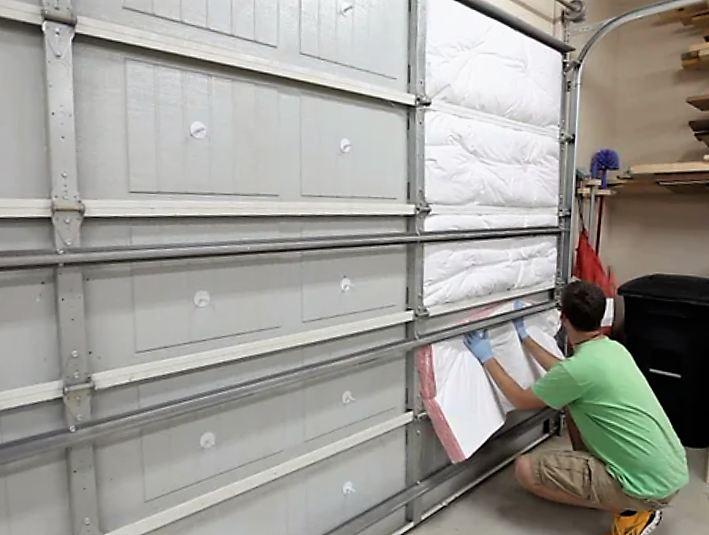
When it comes to improving your home’s energy efficiency, one area often overlooked is the garage door. A well-insulated garage door can significantly impact your home’s comfort and energy costs. This garage door insulation comparison guide will help you understand the different types of insulation available and how to choose the best one for your needs.
Why Insulate Your Garage Door?
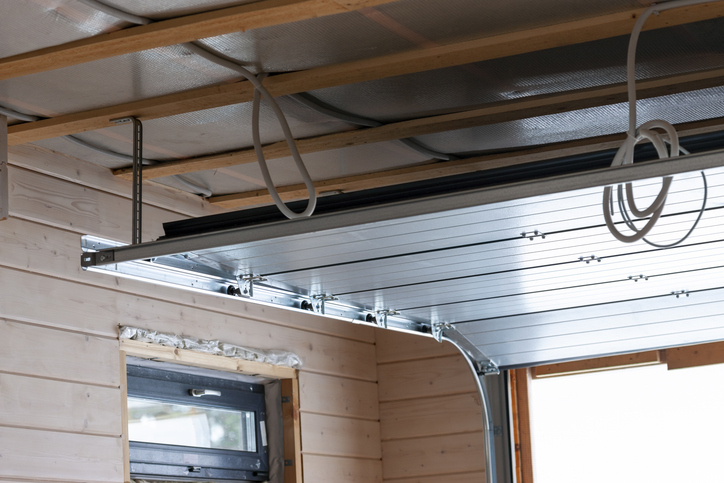
Insulating your garage door can provide numerous benefits. It helps maintain a consistent temperature in your garage, making it more comfortable to use as a workshop or storage space. Additionally, an insulated door can reduce energy costs by minimizing heat loss in winter and heat gain in summer. For further insights, you can visit The Spruce.
Types of Garage Door Insulation
1. Polystyrene Insulation
Polystyrene insulated garage doors are one of the most popular choices. This type of insulation is similar to the material found in foam coolers. It is lightweight, easy to install, and provides a good balance of insulation and affordability. For more details, check this polystyrene option.
2. Polyurethane Insulation
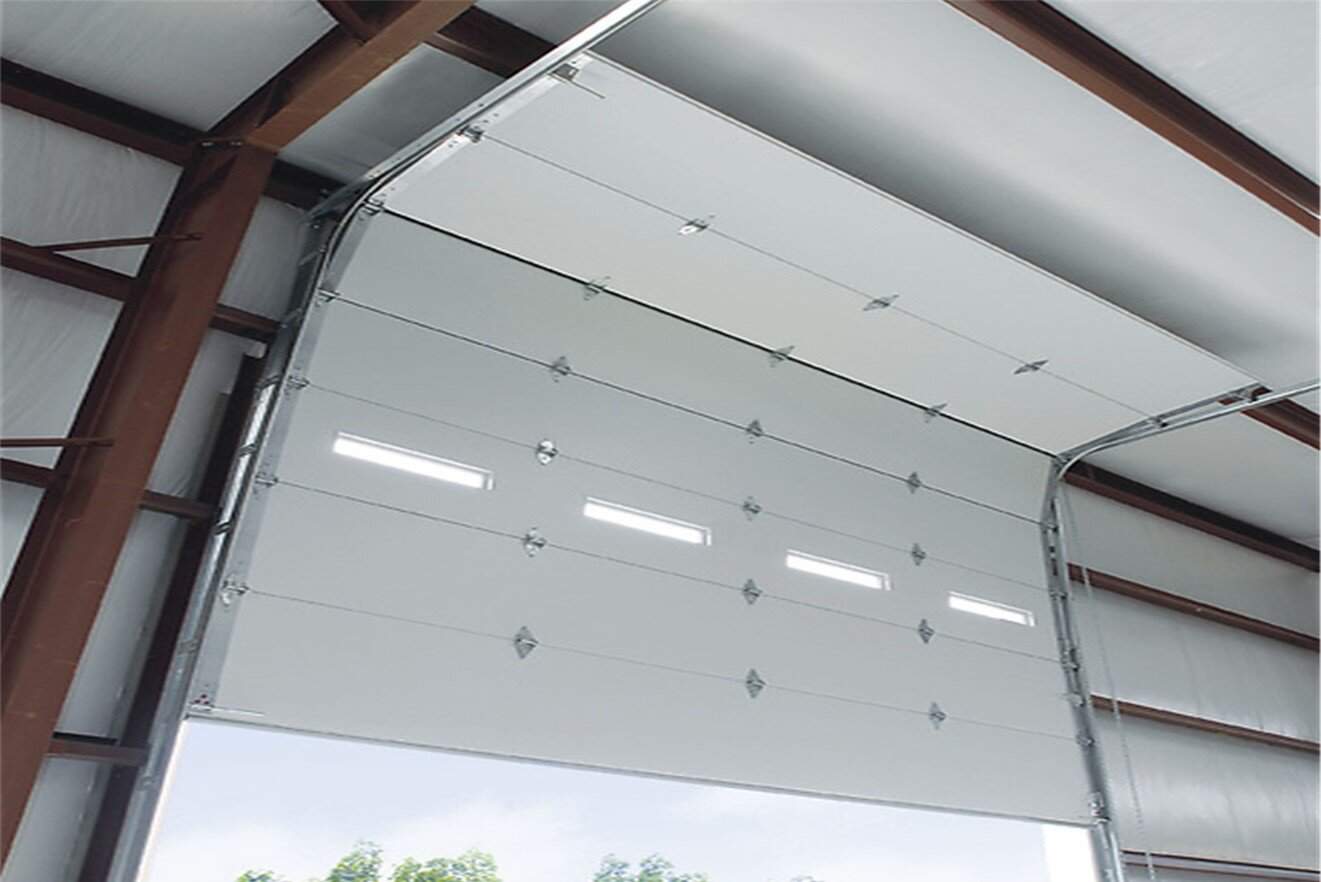
Polyurethane insulated doors offer superior insulation compared to polystyrene. This type of insulation is injected into the door, expanding and hardening in place. It provides a higher R-value, meaning better insulation performance. Although more expensive, it can be a worthwhile investment for homes in extreme climates.
3. Reflective Insulation
Reflective insulation consists of a layer of foil that reflects heat. It’s an excellent choice for homes in hot climates, as it helps keep the garage cool by reflecting sunlight. However, its insulating properties are limited compared to foam-based options.
4. Fiberglass Insulation
Fiberglass insulation is commonly used in walls and attics and can also be applied to garage doors. It provides decent insulation and is relatively inexpensive. However, it can be more challenging to install and may require professional assistance.
Factors to Consider When Choosing Insulation
R-Value
The R-value measures the insulation’s effectiveness. The higher the R-value, the better the insulation. Consider your climate and garage usage when selecting an insulation type with an appropriate R-value.
Installation
Some insulation types are easier to install than others. If you’re planning a DIY project, polystyrene might be the best choice. For more complex installations, such as polyurethane, you may want to hire a professional.
Cost
Your budget will also play a role in your decision. While polyurethane offers the best insulation, it is also the most expensive. Weigh the cost against the potential energy savings and comfort improvements.
Durability
Consider the durability of the insulation material. Polyurethane and polystyrene are durable options, while fiberglass may degrade over time if exposed to moisture.
Maintenance Tips for Insulated Garage Doors
Regular maintenance can prolong the life of your insulated garage door. Keep the door clean and inspect the insulation for any signs of damage. For cleaning tips, visit cleaning guidelines.
Environmental Impact
Consider the environmental impact of the insulation material. Some materials, like polyurethane, are less eco-friendly. If sustainability is a priority, look for recyclable options like those discussed in recyclable garage doors.
Garage Door Insulation and Home Value
Installing insulated garage doors can enhance your home value. It improves energy efficiency and provides a more comfortable space. Learn how it affects home value in this home value guide.
Fire Safety Considerations
Some insulation materials are more fire-resistant than others. When safety is a concern, explore options that offer better fire protection. For more information, see fire safety tips.
Conclusion
Choosing the right garage door insulation is crucial for enhancing your home’s comfort and efficiency. By considering factors like R-value, cost, and environmental impact, you can make an informed decision. For further guidance, the experts at APRO Door offer valuable insights.
FAQ
What is the best garage door insulation for cold climates?
Polyurethane insulation is often recommended for cold climates due to its high R-value and excellent insulating properties.
Can I install garage door insulation myself?
Yes, some insulation types like polystyrene are suitable for DIY installation. However, more complex materials like polyurethane may require professional installation.
Is garage door insulation worth the cost?
Insulating your garage door can lead to energy savings and increased comfort, making it a worthwhile investment for many homeowners.
This article contains affiliate links. We may earn a commission at no extra cost to you.