For many homeowners, the garage is more than just a place to park cars; it serves as a workspace, storage area, or even an extension of the living space. As such, maintaining a comfortable temperature within this space becomes crucial, and this is where garage door insulation plays a pivotal role. In this guide, we’ll delve into the frequently asked questions about garage door insulation, helping you make informed decisions about enhancing your home’s energy efficiency and comfort.
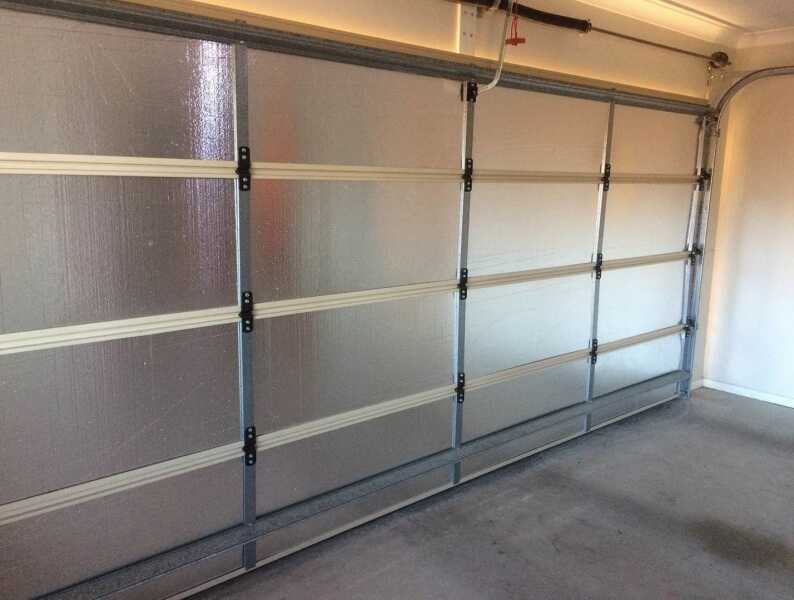
What is Garage Door Insulation?
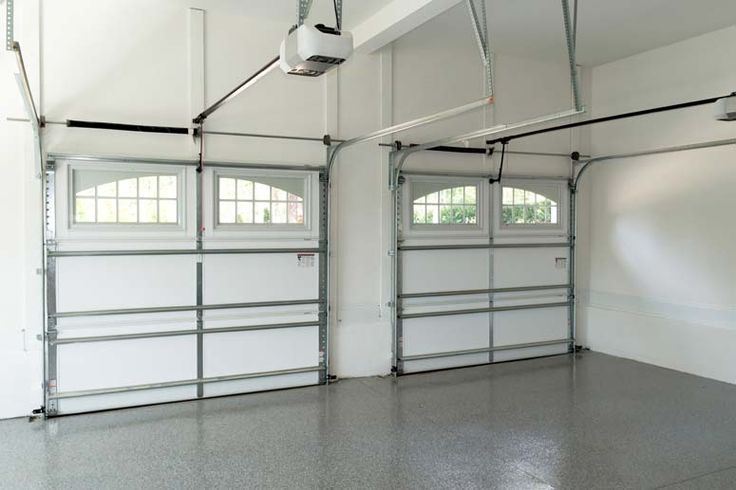
Garage door insulation refers to the process of adding insulating materials to your garage door to reduce heat loss or gain. Insulation can help regulate the temperature within your garage, making it more comfortable and energy-efficient.
Why Insulate Your Garage Door?
Insulating your garage door can lead to numerous benefits, such as improved energy efficiency, reduced noise, enhanced comfort, and even increased property value. By minimizing the transfer of heat, you can reduce your energy bills and create a more pleasant environment in your garage.
Types of Garage Door Insulation
There are several types of insulation materials available for garage doors, including:
- Polystyrene Panels: Lightweight and cost-effective, these panels provide decent insulation and are easy to install.
- Polyurethane Foam: Known for its high insulating value, polyurethane foam offers superior energy efficiency.
- Reflective Foil: Often used in warmer climates, reflective foil reflects radiant heat away from the garage.
How to Insulate a Garage Door
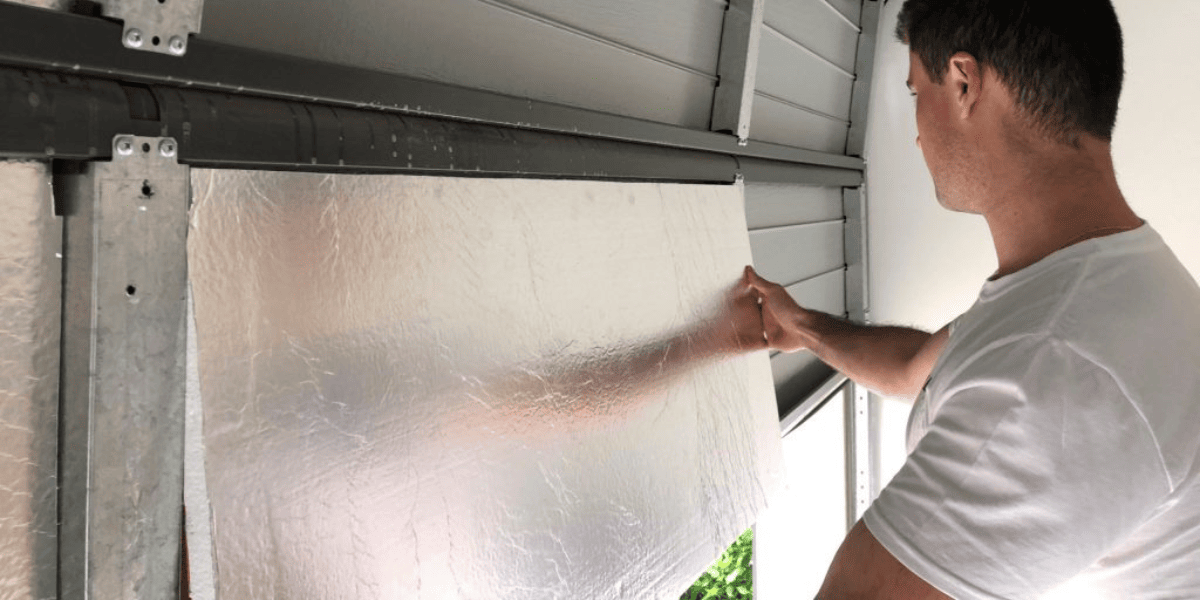
Insulating a garage door can be a DIY project or a professional job, depending on your skills and comfort level. Here are the basic steps involved:
- Choose the right insulation material for your needs.
- Measure the garage door panels to determine the amount of insulation required.
- Cut the insulation material to fit the panels accurately.
- Secure the insulation to the garage door using adhesive or clips.
For a more detailed guide, you can visit Garage Door Insulation Before Winter.
Benefits of Garage Door Insulation
Garage door insulation offers numerous advantages, including:
- Energy Efficiency: Insulated garage doors help maintain a stable temperature, reducing the need for heating or cooling.
- Noise Reduction: Insulation can significantly reduce noise from both outside and within the garage.
- Improved Comfort: A well-insulated garage can be more comfortable to work in, regardless of the season.
- Increased Durability: Insulation can add structural integrity to the door, making it more robust.
For more insights, explore Garage Door Insulation and Tool Storage.
FAQs About Garage Door Insulation
Does Garage Door Insulation Really Make a Difference?
Yes, insulating your garage door can significantly impact energy efficiency and comfort. It helps maintain a consistent temperature, reducing the strain on your HVAC system and lowering energy bills.
How Much Does Garage Door Insulation Cost?
The cost of garage door insulation can vary depending on the type of insulation chosen and whether you opt for a DIY approach or professional installation. On average, materials can range from $50 to $200, while professional installation may add $100 to $500 to the total cost.
Can Insulation Prevent Mold in the Garage?
Yes, insulation can help control humidity and prevent mold growth by maintaining a stable temperature and reducing moisture. For more on this, check out Insulated Garage Doors and Mold Prevention.
Choosing the Right Insulation for Your Garage Door
When selecting insulation for your garage door, consider factors such as climate, budget, and installation complexity. Consult with professionals if you’re unsure about the best option for your needs.
Installation Tips for Garage Door Insulation
Here are a few tips to ensure a successful installation:
- Clean the garage door surface before applying insulation.
- Ensure proper measurements for a snug fit.
- Use high-quality adhesive or clips to secure the insulation.
Maintaining Your Insulated Garage Door
Regular maintenance can prolong the life of your insulated garage door. Check for damage, clean surfaces, and inspect the seals to ensure optimal performance.
Impact of Insulation on Garage Door Lifespan
Insulation can enhance the durability of your garage door by adding structural support and reducing wear and tear. This can lead to a longer lifespan and fewer repairs.
Environmental Benefits of Insulating Your Garage Door
By reducing energy consumption, insulated garage doors contribute to a smaller carbon footprint, making them an environmentally friendly choice. Learn more about the benefits at Insulated Garage Door Benefits.
Common Mistakes When Insulating a Garage Door
Avoid these common pitfalls:
- Choosing the wrong type of insulation for your climate.
- Improper measurements leading to gaps.
- Neglecting to secure the insulation properly.
Conclusion
Insulating your garage door is a wise investment for homeowners looking to enhance their property’s energy efficiency, comfort, and value. By understanding the different types of insulation and their benefits, you can make an informed decision that meets your needs and budget.
FAQs
1. Is DIY garage door insulation a good idea?
DIY insulation can be cost-effective for those with the right skills and tools. However, for complex installations, professional help may ensure better results.
2. How often should I replace garage door insulation?
Garage door insulation typically lasts for several years. However, regular inspections can help identify signs of wear or damage, indicating when replacements are necessary.
3. Does insulated garage door require special maintenance?
Insulated garage doors require standard maintenance, such as cleaning and seal inspections, to ensure they remain effective and durable over time.
This article contains affiliate links. We may earn a commission at no extra cost to you.