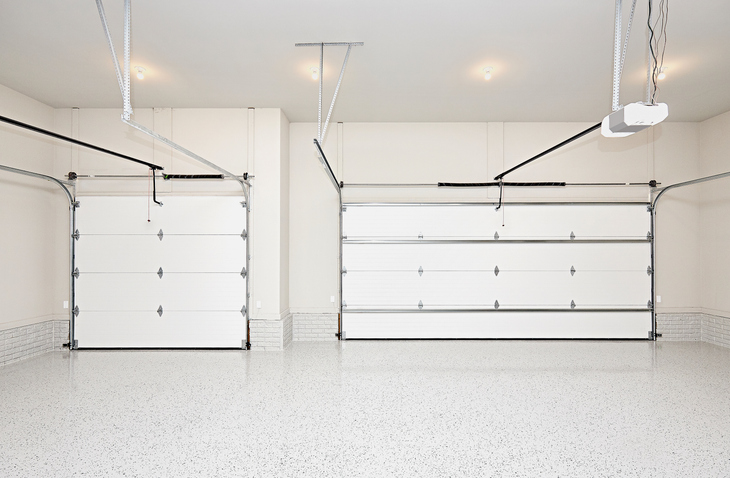
When considering home improvement projects, one often overlooked area is the garage door insulation for basements. This aspect of home improvement can significantly influence the comfort and energy efficiency of your home. In this article, we will explore why insulating your basement garage door is crucial and how it can benefit you in numerous ways.
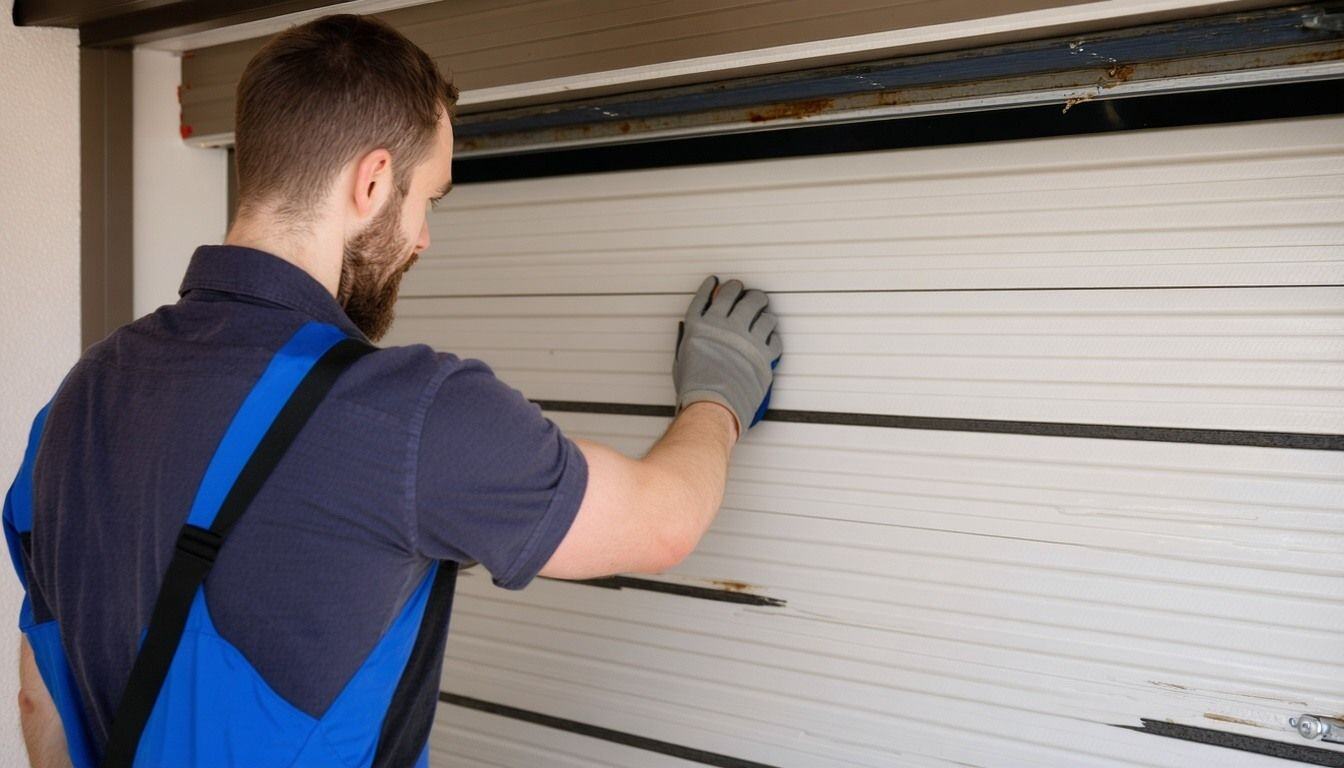
Why Insulate Your Basement Garage Door?
Basements are notorious for being cold and drafty, which can affect the overall temperature of your home. By insulating the garage door in your basement, you can create a more stable indoor climate. This not only makes the space more comfortable but also reduces energy bills by minimizing heat loss.
Energy Efficiency Benefits
One of the primary reasons homeowners consider garage door insulation for basements is to enhance energy efficiency. An insulated garage door acts as a barrier, preventing cold air from seeping into your home during winter and keeping hot air out during summer. This can lead to substantial energy savings over time.
According to [Door Systems](https://www.doorsystems.com/blog/top-5-benefits-of-an-insulated-garage-door) (external link, nofollow), installing an insulated garage door can save homeowners up to 20% on their annual energy costs.
Types of Insulation Materials
Choosing the right insulation material is crucial for the effectiveness of garage door insulation. Here are some popular options:
- Polystyrene Panels – Known for their rigidity and ability to resist moisture.
- Polyurethane Foam – Offers excellent thermal resistance and is more flexible.
- Reflective Foil – Works by reflecting heat away, ideal for warmer climates.
Comparing Insulation Materials
When selecting the best insulation material, consider factors like R-value, cost, and installation complexity. Polystyrene panels, for instance, are easy to install and provide a decent R-value, making them a popular choice among homeowners.
Step-by-Step Installation Guide
Insulating your basement garage door can be a DIY project if you follow these steps:
- Measure the Door – Accurate measurements are crucial to ensure a proper fit for the insulation.
- Cut the Insulation – Based on your measurements, cut the insulation material to size.
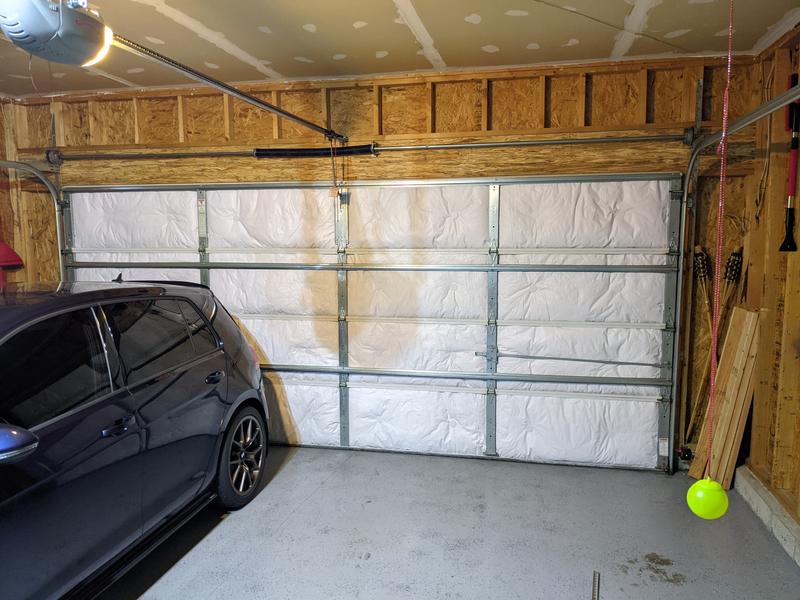
- Install the Panels – Attach the insulation panels to the inside of the garage door using adhesive or fasteners.
- Seal the Edges – Use weatherstripping to seal the edges and prevent air leaks.
Installation Tips and Tricks
Ensure that the insulation is snugly fit against the door, with no gaps or loose edges. This will maximize the thermal barrier and improve the overall effectiveness of your insulation.
Cost Considerations
While the initial cost of insulating a garage door might seem high, the long-term savings on energy bills make it a worthwhile investment. On average, the cost of materials ranges from $50 to $200, depending on the size of the door and the type of insulation used.
Comparing Costs with Savings
Consider the potential savings when calculating the cost-benefit ratio. As mentioned earlier, an insulated garage door can reduce energy costs by up to 20%, which can offset the initial investment within a few years.
Impact on Home Value
Installing garage door insulation for basements can also increase your property’s value. Potential buyers often look for energy-efficient features, and an insulated garage door can be a major selling point.
Enhancing Curb Appeal
Besides practical benefits, a well-insulated garage door can enhance your home’s curb appeal. It gives the appearance of a well-maintained property, which is attractive to potential buyers.
Maintaining Insulated Garage Doors
Regular maintenance is essential to keep your insulated garage door functioning optimally. This includes checking for signs of wear and tear, ensuring the seals are intact, and cleaning the surfaces to prevent dust accumulation.
Regular Maintenance Tips
Inspect the door’s hardware, such as hinges and rollers, for signs of rust or damage. Lubricate moving parts to ensure smooth operation and prolong the door’s lifespan.
Case Studies and Success Stories
Many homeowners have experienced significant improvements in their home’s comfort and energy efficiency after insulating their basement garage doors. For instance, one homeowner from Las Vegas reported a noticeable reduction in their heating bills after installing insulation.
Read more about similar [success stories](https://garagedoorsrepairlasvegas.com/garage-door-insulation-before-winter/) (internal link, dofollow) to understand the potential benefits better.
Common Mistakes to Avoid
When insulating your basement garage door, avoid these common pitfalls:
- Not measuring the door accurately, leading to poorly fitting insulation.
- Skipping the sealing process, which can result in air leaks.
- Choosing the wrong type of insulation for your climate.
Learning from Mistakes
By understanding these common mistakes, you can ensure that your garage door insulation project is successful and provides the desired benefits.
Future Trends in Garage Door Insulation
As technology advances, new materials and techniques for garage door insulation are being developed. These innovations promise to improve energy efficiency and make the installation process easier for homeowners.
Innovative Insulation Solutions
Keep an eye on emerging trends, such as eco-friendly insulation materials and smart garage door systems that can enhance your home’s overall efficiency.
Conclusion
Investing in garage door insulation for basements is a smart decision for any homeowner looking to improve their home’s comfort and energy efficiency. With the right materials and proper installation, you can enjoy a warmer, more energy-efficient home and potentially increase your property’s value.
For more information on insulated garage doors, visit [Black Hawk Garage Door](https://www.blackhawkgaragedoor.com/blog/insulated-vs-uninsulated/) (external link, nofollow) for a detailed comparison of insulated and uninsulated options.
FAQs
1. What is the best insulation material for garage doors?
The best insulation material depends on your climate and budget. Polystyrene panels and polyurethane foam are popular choices due to their high R-values and moisture resistance.
2. How often should I maintain my insulated garage door?
Regular maintenance should be performed annually to ensure the door’s optimal performance. This includes inspecting seals, lubricating moving parts, and checking for any signs of damage.
3. Can I install garage door insulation myself?
Yes, insulating a garage door can be a DIY project if you follow the correct steps and use the right materials. However, if you’re unsure, it’s best to consult a professional.
This article contains affiliate links. We may earn a commission at no extra cost to you.