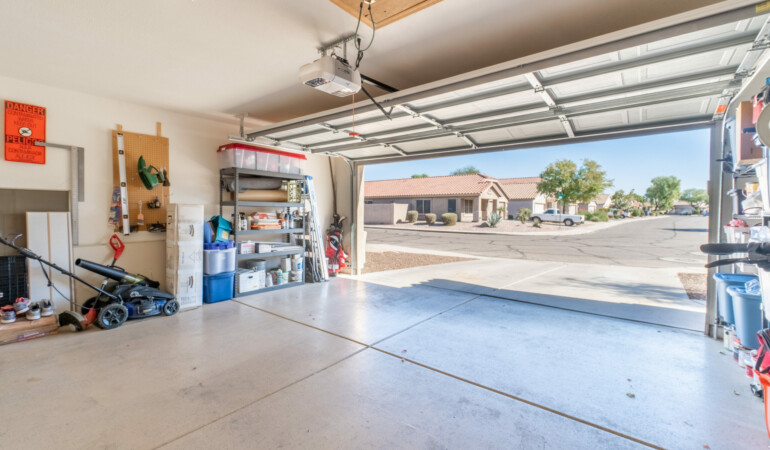
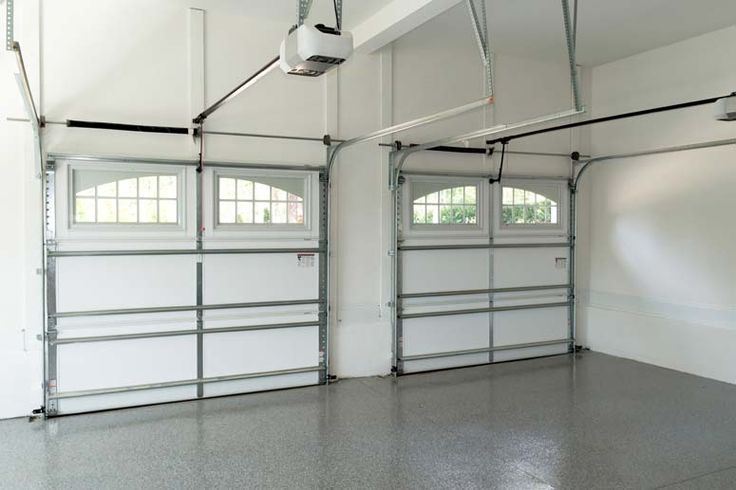
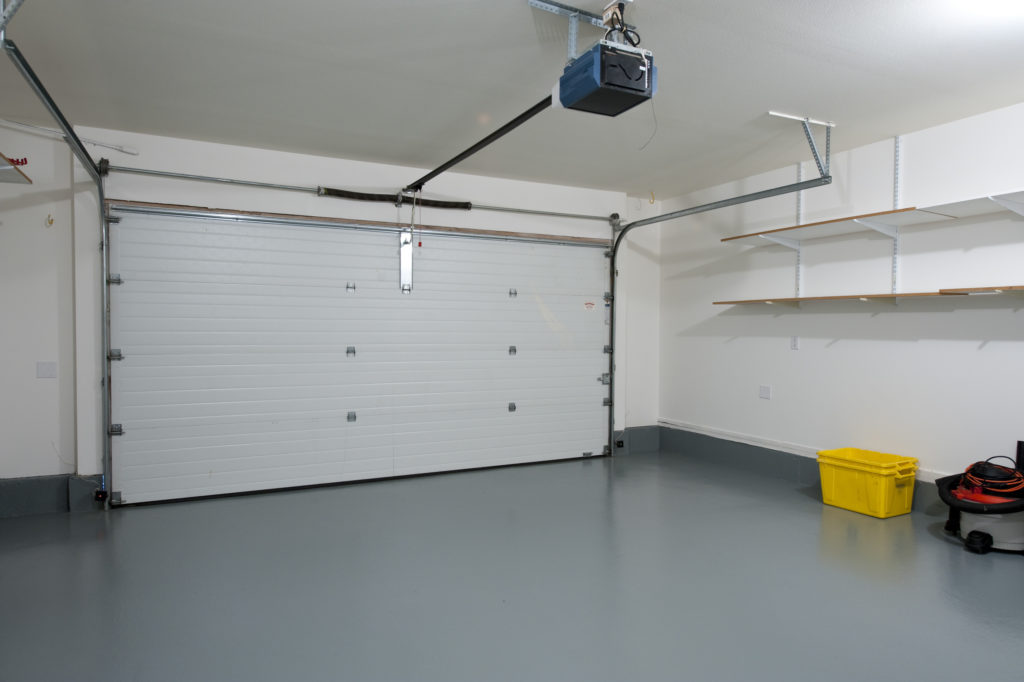
As a homeowner, ensuring that your car remains in optimal condition is crucial, and one effective way to achieve this is through garage door insulation for car protection. Not only does it safeguard your vehicle, but it also enhances your home’s energy efficiency, providing a win-win situation. In this article, we will delve into the various benefits and methods of insulating your garage door to protect your car from adverse weather conditions and temperature fluctuations.

Understanding the Importance of Garage Door Insulation
Insulating your garage door is more than just a home improvement task; it is an investment in protecting your vehicle and enhancing your property’s overall value. By maintaining a stable temperature within your garage, you can prevent potential damage to your car caused by extreme heat or cold.
Benefits of Insulating Your Garage Door
There are numerous advantages to insulating your garage door, including:
1. Temperature Regulation
By installing insulation, you can effectively regulate the temperature within your garage, ensuring it remains cool during the summer and warm during the winter. This not only protects your car but also creates a more comfortable environment for any activities you might engage in inside the garage.
2. Energy Efficiency
An insulated garage door can significantly reduce energy consumption by minimizing heat transfer, which in turn lowers your heating and cooling costs. According to a study by [BND Australia](https://www.bnd.com.au/explore/resource-hub/our-blog/the-benefits-of-insulating-your-garage-door/) (external link, nofollow), insulating your garage door can lead to considerable savings on your energy bills.
3. Noise Reduction
Insulation helps in reducing the noise that enters or exits your garage, offering a quieter environment both inside and outside your home.
Types of Garage Door Insulation
When it comes to insulating your garage door, there are several options available:
1. Polystyrene Panels
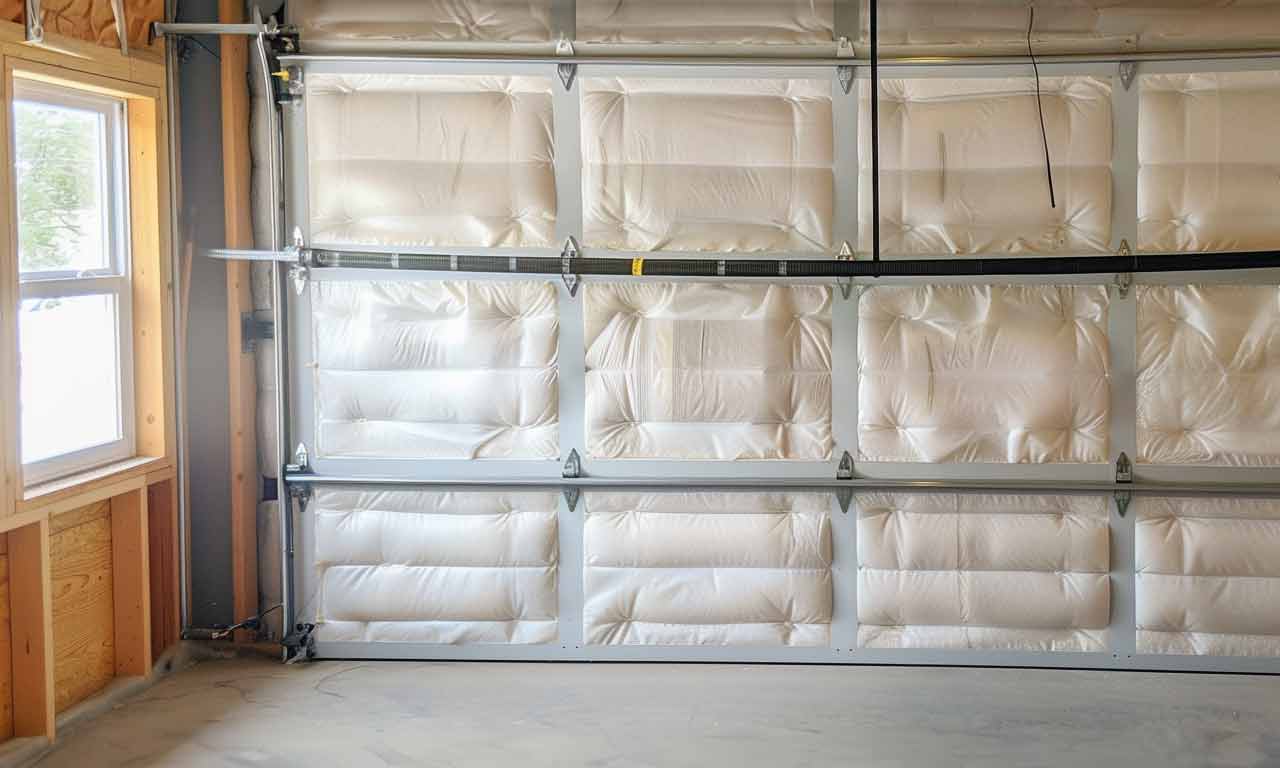
These are popular due to their cost-effectiveness and ease of installation. For more details, check out this information about Polystyrene Insulated Garage Doors.
2. Polyurethane Foam
This option offers superior insulation properties and adds structural integrity to the door, making it a preferred choice for many homeowners.
3. Reflective Foil
Reflective foil is ideal for garages with minimal space as it requires less room while still providing effective insulation.
Steps to Insulate Your Garage Door
Insulating your garage door is a straightforward process that can be done by following these steps:
1. Measure Your Door
Accurate measurements are crucial for ensuring the insulation fits perfectly, providing maximum efficiency.
2. Select the Right Insulation
Depending on your budget and insulation needs, choose the appropriate material that best suits your garage door.
3. Install the Insulation
Follow the manufacturer’s instructions carefully to install the insulation. Ensure that all areas are covered adequately to prevent any heat loss.
Maintaining Your Insulated Garage Door
Regular maintenance is essential to keep your insulated garage door functioning optimally. This includes checking the seals, cleaning the door, and ensuring the insulation is intact. For more tips, visit this guide on Cleaning Insulated Garage Doors.
FAQs
1. Why is garage door insulation important for car protection?
Insulating your garage door helps maintain a stable temperature, protecting your car from damage due to extreme weather conditions.
2. How much can I save on energy bills with an insulated garage door?
While savings vary, many homeowners experience a noticeable reduction in their heating and cooling costs.
3. Can I install garage door insulation myself?
Yes, many insulation options are DIY-friendly, but professional installation may be beneficial for optimal results.
In conclusion, garage door insulation for car protection offers many benefits, from safeguarding your vehicle to increasing your home’s energy efficiency. By choosing the right insulation and maintaining it properly, you can enjoy these advantages for years to come.
This article contains affiliate links. We may earn a commission at no extra cost to you.