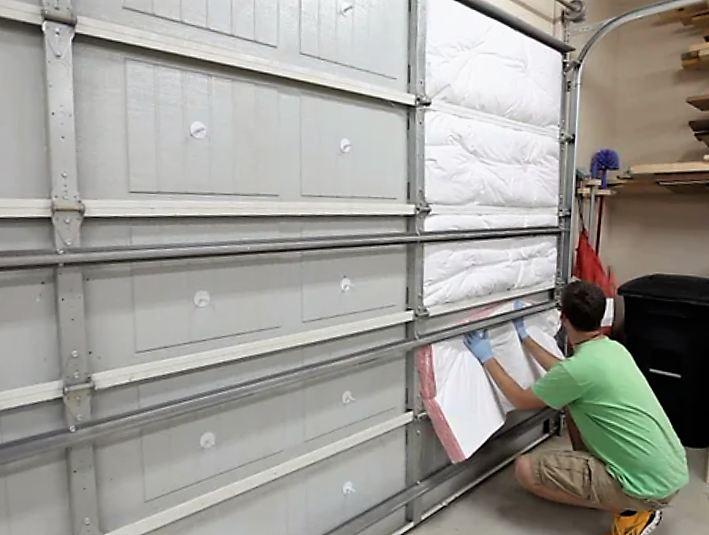
Transforming your garage into a home gym is an exciting endeavor. However, one critical aspect often overlooked is the garage door insulation. Ensuring your garage is well insulated can significantly enhance your workout experience, making it comfortable and energy-efficient. In this article, we’ll explore the benefits of garage door insulation for home gyms and guide you through the process of insulating your gym space effectively.
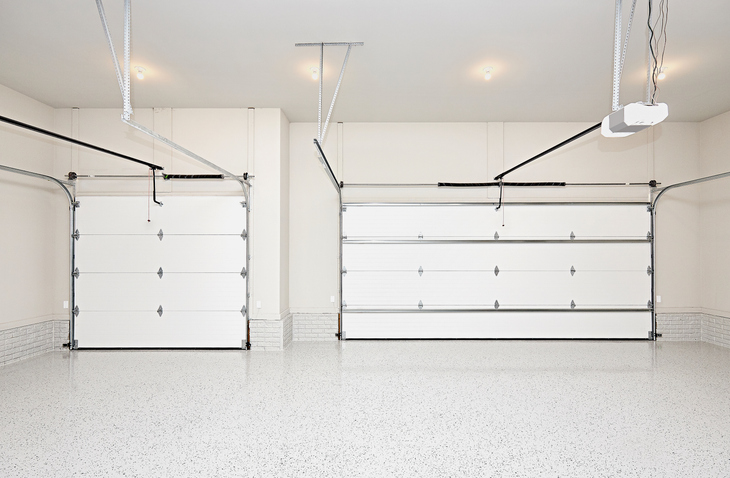
Why Insulate Your Garage Door?
Before diving into the specifics of insulation, it’s essential to understand why it’s necessary. Insulating your garage door can help regulate temperature, reduce noise, and improve energy efficiency. This means a more comfortable workout environment, regardless of the weather outside. Additionally, a well-insulated garage can protect your fitness equipment from extreme temperatures, prolonging its lifespan.
Temperature Regulation
One of the primary reasons for insulating your garage door is to maintain a stable temperature. Insulation helps keep the heat out during summer and retains warmth in winter. This makes your home gym usable throughout the year, eliminating the need for additional heating or cooling systems.
Noise Reduction
Another benefit of garage door insulation is noise reduction. Insulated doors can minimize the sound from both outside and inside the garage, ensuring a quieter workout environment. This is particularly beneficial if you live in a busy area or share your home with others.
Energy Efficiency
An insulated garage door can also lead to increased energy efficiency, reducing your overall utility bills. By maintaining a consistent temperature, your garage will require less energy to heat or cool, saving you money in the long run.
Types of Insulation Materials
There are several types of insulation materials to consider for your garage door. Each has its benefits and drawbacks, so it’s essential to choose the right one for your needs.
Polystyrene Insulation
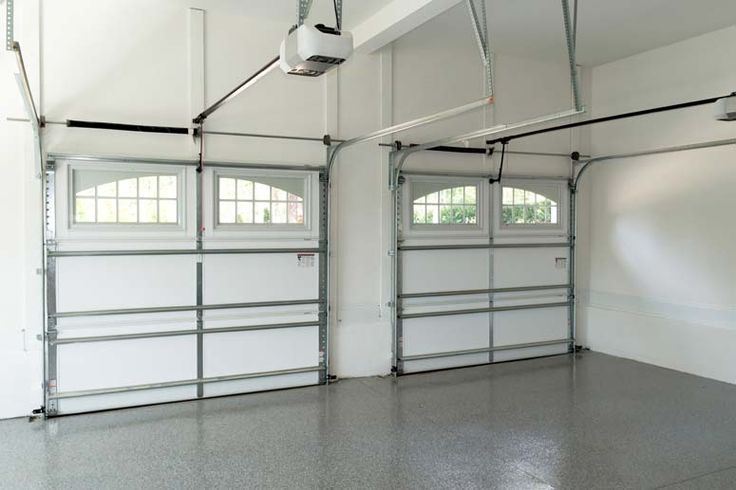
Polystyrene is a popular choice for garage door insulation due to its affordability and ease of installation. It’s available in rigid panels that fit snugly into the door’s sections, providing effective temperature regulation. Learn more about polystyrene insulated garage doors.
Polyurethane Insulation
Polyurethane is another excellent option, offering superior insulation properties. This material is injected into the door, expanding to fill any gaps and providing a denser, more efficient barrier against temperature changes.
Reflective Insulation
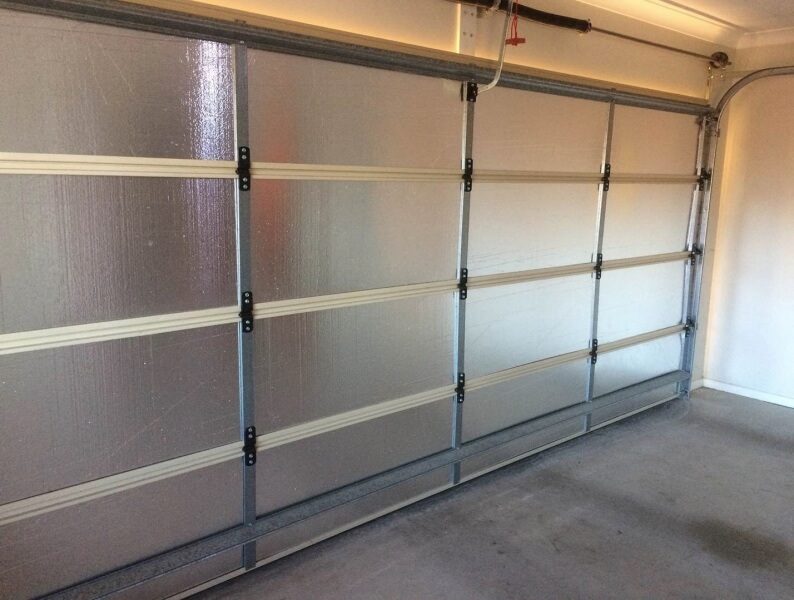
Reflective insulation involves a layer of foil that reflects heat away from the garage. This type is particularly effective in hot climates, keeping the interior cooler during summer months.
Steps to Insulate Your Garage Door
Insulating your garage door may seem daunting, but with the right steps, it can be a straightforward process.
Measure Your Door
Begin by measuring your garage door to determine the amount of insulation material you’ll need. Ensure you measure each panel accurately for a perfect fit.
Choose the Right Material
Based on your measurements and climate, select the insulation material best suited to your needs. Consider consulting a professional if you’re unsure about the best option.
Prepare the Door
Before installing the insulation, clean your garage door to ensure the material adheres properly. Remove any dirt or debris that could interfere with the installation process.
Install the Insulation
Cut the insulation material to fit each panel of your garage door. Follow the manufacturer’s instructions for the best results, and ensure each piece is securely in place.
Additional Benefits of Insulated Garage Doors
Beyond creating a more comfortable gym environment, insulated garage doors offer several additional benefits.
Increased Durability
Insulated doors are typically more durable than non-insulated ones. The added layers of insulation provide extra strength, making them less prone to dents and damage.
Enhanced Curb Appeal
An insulated garage door can also enhance your home’s curb appeal. With a variety of styles and finishes available, you can choose a door that complements your home’s exterior.
Cost Considerations
While insulating your garage door may involve an upfront cost, the long-term savings on energy bills and equipment maintenance can make it a worthwhile investment. Consider the cost of materials and professional installation when budgeting for this project.
Maintenance Tips for Insulated Garage Doors
To ensure your insulated garage door remains effective, regular maintenance is crucial. This includes cleaning, inspecting for damage, and ensuring all seals are intact. For more tips, visit cleaning insulated garage doors.
Common Misconceptions About Garage Door Insulation
There are several misconceptions about garage door insulation that can deter homeowners from considering it. Let’s address a few:
Insulation Is Only for Cold Climates
While insulation is beneficial in cold climates, it also offers significant advantages in warm areas by keeping the garage cool and comfortable.
It’s a Complex Process
Many assume insulating a garage door is a complex process. However, with the right materials and instructions, it can be a straightforward DIY project.
Conclusion
Investing in garage door insulation for home gyms is a smart decision for any homeowner looking to create a comfortable, efficient, and durable workout space. With the right materials and proper installation, you can enjoy the benefits of a well-insulated garage for years to come.
FAQs
What type of insulation is best for garage doors?
While both polystyrene and polyurethane are popular choices, the best type depends on your specific needs and climate. Polyurethane offers superior insulation, while polystyrene is more budget-friendly.
How often should I maintain my insulated garage door?
Regular maintenance, including cleaning and inspections, should be conducted at least twice a year to ensure optimal performance.
Can I install insulation on my existing garage door?
Yes, you can add insulation to an existing garage door, though it may require some modifications. It’s advisable to consult with a professional for the best results.
For more information on insulated vs non-insulated garage doors, visit this external link.
This article contains affiliate links. We may earn a commission at no extra cost to you.