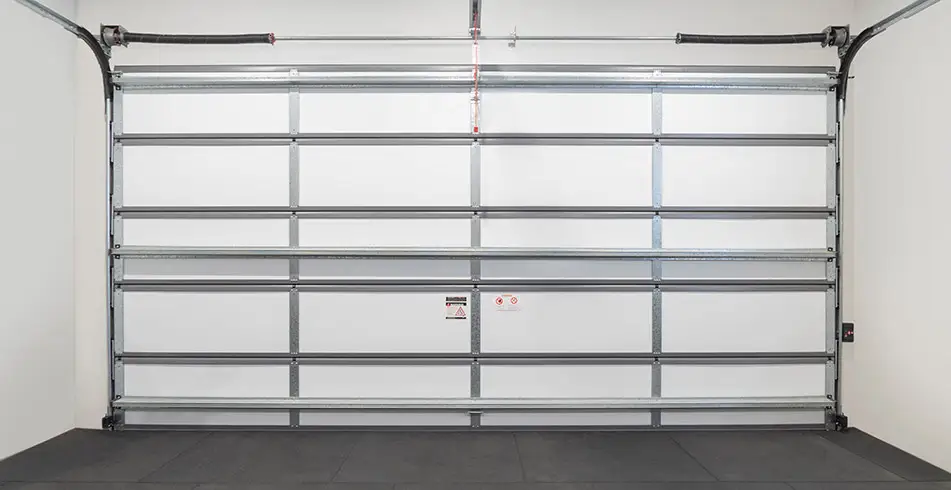
In the realm of modern architecture, the significance of garage door insulation for modern builds cannot be overstated. As homeowners increasingly prioritize energy efficiency and sustainability, understanding how to effectively insulate garage doors becomes crucial. This comprehensive guide delves into the nuances of garage door insulation, tailored specifically for contemporary structures.
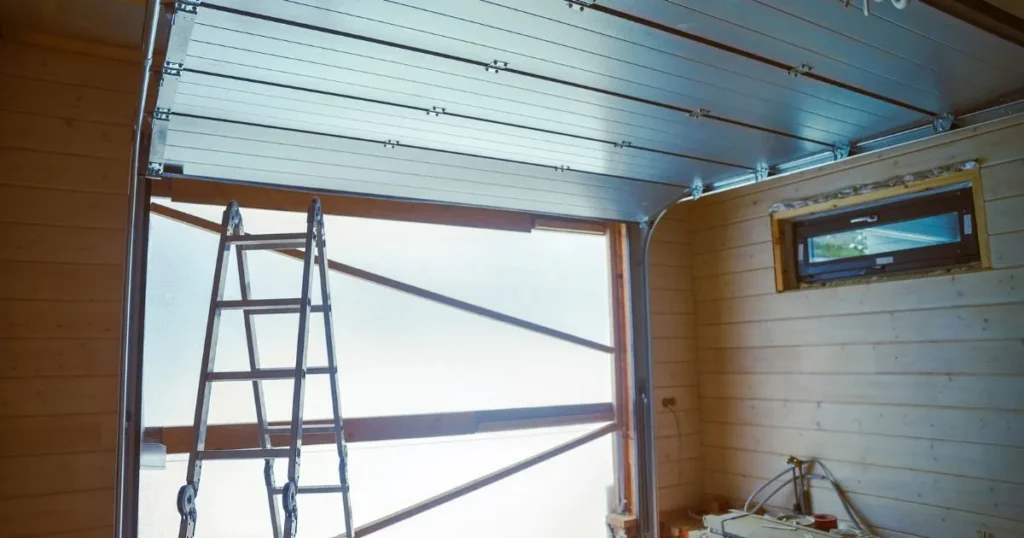
Why Insulate Your Garage Door?
For many homeowners, the garage is more than just a space for parking vehicles. It’s an extension of the home, often serving multiple purposes such as storage, workshops, or even additional living space. This makes garage door insulation not just a luxury, but a necessity.
Energy Efficiency
Insulating your garage door helps maintain a stable temperature, reducing the need for additional heating or cooling. This leads to significant energy savings and a reduced carbon footprint.
Enhanced Comfort
An insulated garage door minimizes the transfer of heat and cold, ensuring that the space remains comfortable year-round. Whether you’re working on a project or simply storing precious items, insulation offers added comfort.
Types of Insulation Materials
When considering garage door insulation for modern builds, it’s essential to understand the different materials available. Each type offers distinct advantages, catering to diverse needs and preferences.
Polystyrene Insulation
Polystyrene panels are popular for their lightweight and durable nature. They offer excellent thermal resistance, making them a top choice for energy-conscious homeowners.
Polyurethane Insulation
Known for its superior insulating properties, polyurethane is injected between the layers of the garage door, providing a seamless and high-performance insulation solution.
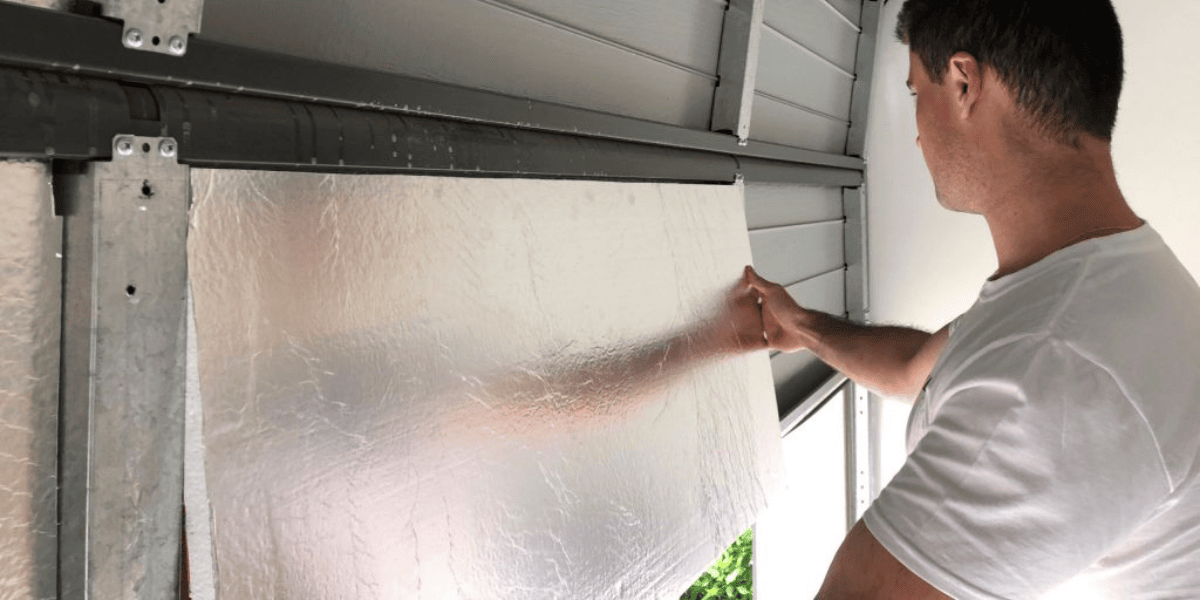
Reflective Foil Insulation
Ideal for regions with extreme temperatures, reflective foil insulation reflects radiant heat away from the garage, ensuring optimal thermal regulation.
Installation Process
Installing garage door insulation can be a straightforward process, but it requires precision and attention to detail.
Preparation
Before starting, clean the garage door thoroughly and measure its dimensions to ensure the insulation fits perfectly.
Installation Steps
Begin by cutting the insulation material to size. Secure it to the garage door panels using adhesive or fasteners, ensuring no gaps remain.
Benefits of Insulated Garage Doors in Modern Homes
Modern homes require innovative solutions for efficiency and comfort. Insulated garage doors offer numerous benefits, making them an essential component of contemporary architecture.
Noise Reduction
Insulated doors significantly reduce noise from the outside, providing a quieter and more peaceful environment inside the garage.
Increased Property Value
Homes with insulated garage doors are often valued higher due to their energy efficiency and enhanced aesthetics.
Common Mistakes to Avoid
While installing garage door insulation, it’s crucial to avoid common pitfalls that can compromise the effectiveness of the insulation.
Ignoring Gaps
Ensure all gaps and seams are sealed properly to prevent air leaks that can undermine the insulation’s performance.
Choosing the Wrong Material
Select insulation that suits the climate and specific needs of your garage to maximize its benefits.
Maintaining Insulated Garage Doors
Regular maintenance ensures your insulated garage door remains effective and lasts longer.
Routine Checks
Inspect the door for any wear and tear, and address issues promptly to maintain insulation efficiency.
Professional Inspections
Consider annual inspections by professionals to ensure the insulation and door mechanism are in top condition.
Case Studies: Success Stories
Explore real-life examples of homeowners who have reaped the benefits of garage door insulation for modern builds.
Energy Savings
One homeowner reported a 20% reduction in energy bills after installing insulation, highlighting its cost-effectiveness.
Improved Comfort
Another family transformed their garage into a comfortable home gym, thanks to the effective insulation keeping temperatures stable.
Conclusion
Incorporating garage door insulation for modern builds is a game-changer for homeowners seeking efficiency and comfort. By understanding the benefits and options available, you can make an informed decision that enhances your home’s value and sustainability.
FAQs
Q: How does garage door insulation improve energy efficiency?
A: Insulation helps maintain a stable indoor temperature, reducing the need for additional heating or cooling.
Q: What is the best insulation material for garage doors?
A: The choice depends on your specific needs, but polyurethane and polystyrene are popular for their effective thermal resistance.
Q: How often should I maintain my insulated garage door?
A: Regular checks and annual professional inspections are recommended to ensure optimal performance and longevity.
For more insights, visit this external resource on insulated vs. non-insulated garage doors.
Explore more about garage door insulation for passive homes, or learn how to prepare your garage for winter.
This article contains affiliate links. We may earn a commission at no extra cost to you.