Are you tired of the constant racket from outside seeping into your garage? Does the noise from the street, neighbors, or even your own activities echo through your home? If so, it’s time to consider an effective solution: garage door insulation for noise pollution. Insulating your garage door can significantly reduce the amount of noise that enters your garage and, consequently, your home.
The importance of garage door insulation for noise pollution cannot be overstated. Not only does it help in maintaining a peaceful environment, but it also adds value to your property. As homeowners, we often overlook the garage when considering home improvements. However, with the right insulation, your garage can become a more functional and quieter space.
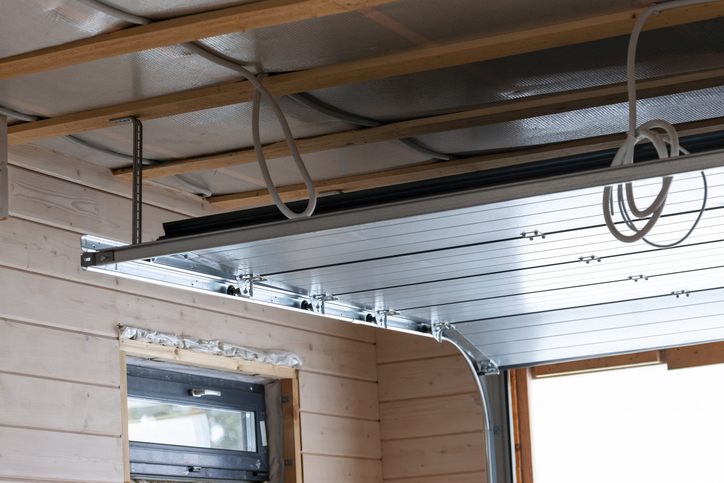
Why Consider Garage Door Insulation?
Garage door insulation is essential for several reasons. Primarily, it acts as a barrier against noise, ensuring that your garage and home remain quiet and serene. Additionally, it enhances energy efficiency by maintaining a stable temperature inside the garage, which can be particularly beneficial during extreme weather conditions.
The Benefits of Insulating Your Garage Door
Insulating your garage door offers numerous advantages beyond noise reduction. Here are a few key benefits:
- Energy Efficiency: Insulation helps in regulating the temperature inside your garage, reducing the need for additional heating or cooling.
- Durability: Insulated doors tend to be more robust and can withstand wear and tear better than non-insulated ones.
- Value Addition: An insulated garage door can increase your home’s overall value, making it an attractive option for potential buyers.
Understanding Noise Pollution
Noise pollution is a growing concern in urban areas. The constant hum of traffic, construction, and other activities can significantly impact our daily lives. By insulating your garage door, you can create a barrier that reduces the amount of noise entering your home.
How Noise Travels
Noise travels in waves and can easily pass through gaps and thin surfaces. A non-insulated garage door is typically made of thin materials, allowing sound waves to penetrate easily. By adding insulation, you create a thicker barrier that absorbs and dampens sound waves, effectively reducing noise levels.
Types of Garage Door Insulation
There are several types of garage door insulation available, each with its unique benefits. Here are the most common types:
Polystyrene Insulation
Polystyrene is a popular choice for garage door insulation. It’s lightweight, easy to install, and offers excellent thermal and noise reduction properties. To learn more about polystyrene insulation, visit Polystyrene Insulated Garage Doors.
Polyurethane Insulation
Polyurethane provides superior insulation due to its dense structure. It’s sprayed into the door panels, filling every nook and cranny, which enhances both thermal and acoustic performance.
Reflective Insulation
This type of insulation uses reflective materials to bounce heat and sound waves away from the garage door. It’s ideal for homes in hot climates where heat reduction is as important as noise reduction.
DIY vs. Professional Installation
When considering garage door insulation for noise pollution, you might wonder whether to tackle it yourself or hire a professional. Each option has its pros and cons.
DIY Installation
Opting for a DIY approach can save money and give you complete control over the process. However, it requires some level of skill and the right tools. If you’re handy with home improvement projects, this might be a suitable route for you.
Professional Installation
Hiring a professional ensures that the job is done correctly and efficiently. Professionals have the experience and tools needed to install insulation effectively. While this option may cost more, it often results in better insulation performance and longevity.
Steps to Insulate Your Garage Door
If you decide to install the insulation yourself, follow these steps:
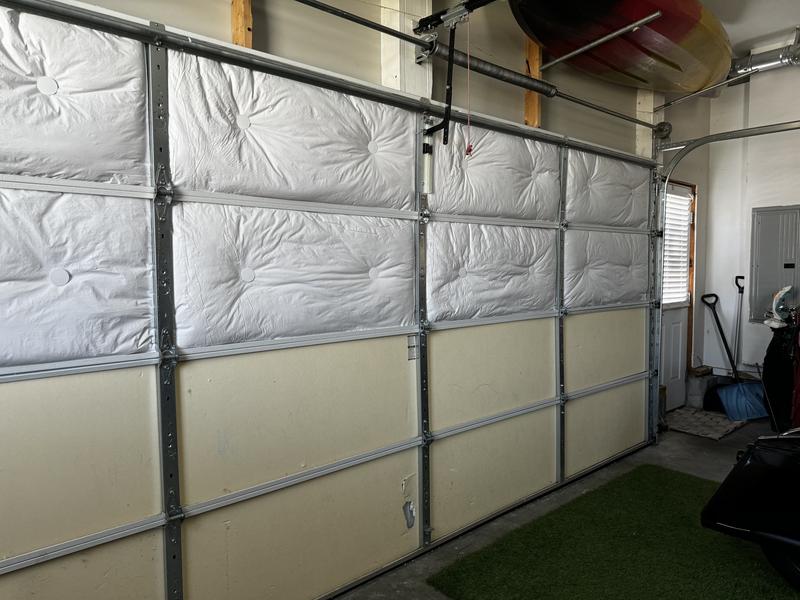
- Measure the dimensions of your garage door panels.
- Purchase the appropriate insulation materials.
- Cut the insulation to fit each panel.
- Secure the insulation in place using adhesive or fasteners.
- Seal any gaps to prevent sound leakage.
For more detailed instructions, check out our guide on Garage Door Insulation Kits.
Maintaining Insulated Garage Doors
Once your garage door is insulated, regular maintenance is crucial to ensure its effectiveness. Clean the door regularly, check for any damages, and ensure that seals and weatherstripping are intact. For cleaning tips, visit Cleaning Insulated Garage Doors.
Cost of Insulating a Garage Door
The cost of insulating a garage door varies depending on the type of insulation and whether you choose DIY or professional installation. On average, materials for a DIY project can range from $100 to $300, while professional installation can cost between $500 and $1,000.
Conclusion
Investing in garage door insulation for noise pollution is a wise decision for homeowners seeking peace and quiet. It not only reduces noise but also enhances energy efficiency, adds durability, and increases home value. Whether you choose to tackle this project yourself or hire a professional, the benefits are undeniable.
FAQs
Is it worth insulating a garage door?
Yes, insulating a garage door offers numerous benefits, including noise reduction, energy efficiency, and increased home value. Learn more about the benefits here.
Can I insulate my garage door myself?
Yes, with the right tools and materials, you can insulate your garage door yourself. Many homeowners opt for DIY to save on costs, but it’s essential to follow instructions carefully for optimal results.
What is the best type of insulation for noise reduction?
Polyurethane insulation is often considered the best for noise reduction due to its dense structure and ability to fill every gap. However, polystyrene is also a popular choice for its affordability and ease of installation.
This article contains affiliate links. We may earn a commission at no extra cost to you.