If you’re a pet owner, you know how important it is to keep your furry friends comfortable and safe. One often overlooked aspect of pet comfort is the environment they live in, and this includes the garage. Many homeowners use their garage as an extended living space or a safe haven for their pets. However, without proper garage door insulation, this space can become uncomfortable, especially during extreme weather conditions.
In this article, we’ll explore how garage door insulation for pet comfort can transform your garage into a cozy, pet-friendly environment. We’ll delve into the benefits, types of insulation, and step-by-step guidance on installation. Plus, we’ll answer some frequently asked questions to help you make informed decisions.
Why Insulate Your Garage Door?
Insulating your garage door is more than just an aesthetic upgrade. It serves multiple purposes that enhance the overall functionality of your home. Here are some reasons why garage door insulation is essential:
Temperature Regulation
One of the primary benefits of garage door insulation is its ability to regulate temperature. During winter, it keeps the cold air out, and in summer, it prevents heat from seeping in. This creates a stable environment for your pets, ensuring they are comfortable year-round.
Noise Reduction
Garages can be noisy places, especially in busy neighborhoods. Insulated garage doors help reduce noise, providing a quieter and more peaceful space for your pets.
Energy Efficiency
By maintaining a consistent temperature, insulated garage doors reduce the need for additional heating or cooling, leading to lower energy bills. This not only benefits your wallet but also the environment.
Durability and Security
Insulated garage doors are generally more durable and secure. They provide an extra layer of protection against break-ins and harsh weather conditions.
Types of Garage Door Insulation
There are several types of insulation materials available, each with its pros and cons. Let’s explore the most common options:
Polystyrene Insulation
Polystyrene is a popular choice due to its affordability and ease of installation. It provides decent insulation and is suitable for most climates. For more information on this type of insulation, visit Polystyrene Garage Doors.
Polyurethane Insulation
Polyurethane is a denser material, offering superior insulation. It’s ideal for extreme climates and provides excellent noise reduction. However, it is more expensive than polystyrene.
Reflective Insulation
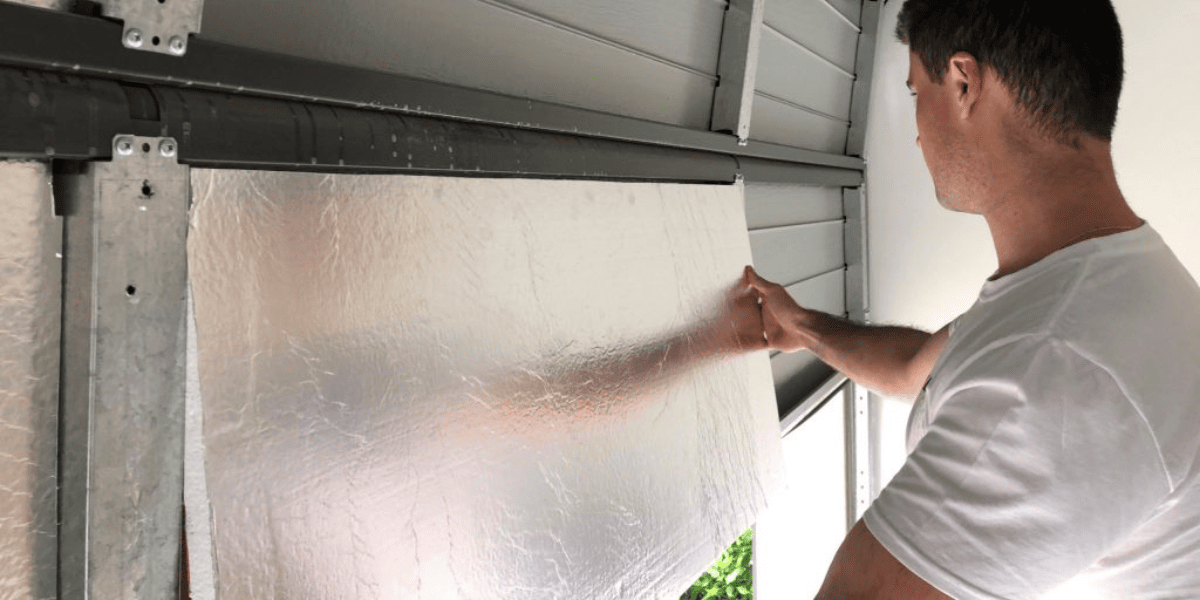
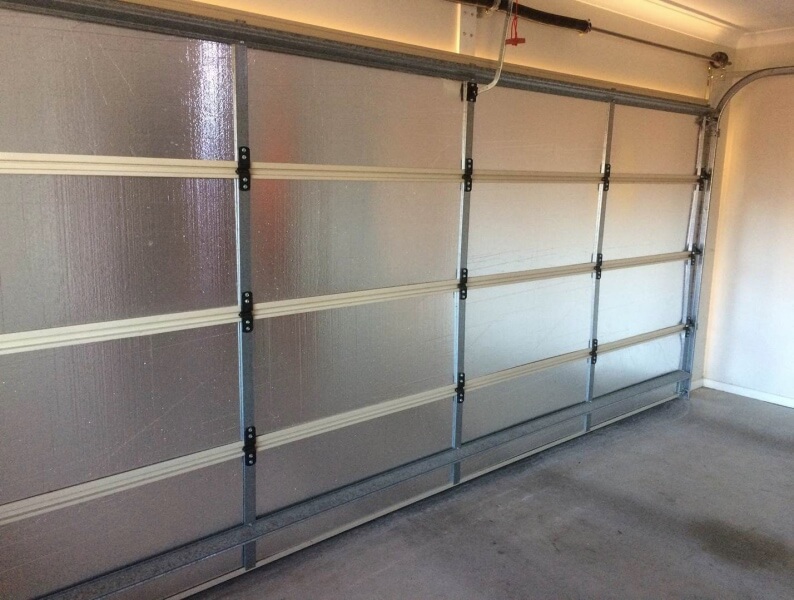
Reflective insulation is made of aluminum foil and is effective in reflecting radiant heat. It’s a great option for garages that get a lot of direct sunlight.
Installing Garage Door Insulation
Installing garage door insulation can be a DIY project if you have the right tools and materials. Here’s a general guide to help you get started:
Materials Needed
- Insulation material of choice
- Utility knife
- Measuring tape
- Adhesive or fasteners
- Protective gloves
Step-by-Step Guide
- Measure the dimensions of your garage door panels.
- Cut the insulation material to fit each panel.
- Secure the insulation to the panels using adhesive or fasteners.
- Ensure all panels are covered and the insulation is snug.
- Check for any gaps and seal them with weatherstripping.
Maintaining Insulated Garage Doors
Regular maintenance ensures that your insulated garage doors remain effective and durable. Here are some tips:
Regular Cleaning
Keep your garage doors clean by wiping them down with a damp cloth. This helps prevent dirt and grime from affecting the insulation. For detailed cleaning instructions, visit Cleaning Insulated Doors.
Inspect for Damage
Regularly inspect your garage doors for any signs of damage or wear. Address any issues promptly to maintain the effectiveness of the insulation.
FAQs
How does garage door insulation benefit pets?
Insulation helps regulate temperature and reduce noise, creating a comfortable and safe environment for pets.
Can I install garage door insulation myself?
Yes, with the right materials and tools, you can install garage door insulation as a DIY project.
What type of insulation is best for extreme climates?
Polyurethane insulation is recommended for extreme climates due to its superior thermal properties.
For more detailed information about the pros and cons of insulated garage doors, consider reading this article here.
This article contains affiliate links. We may earn a commission at no extra cost to you.