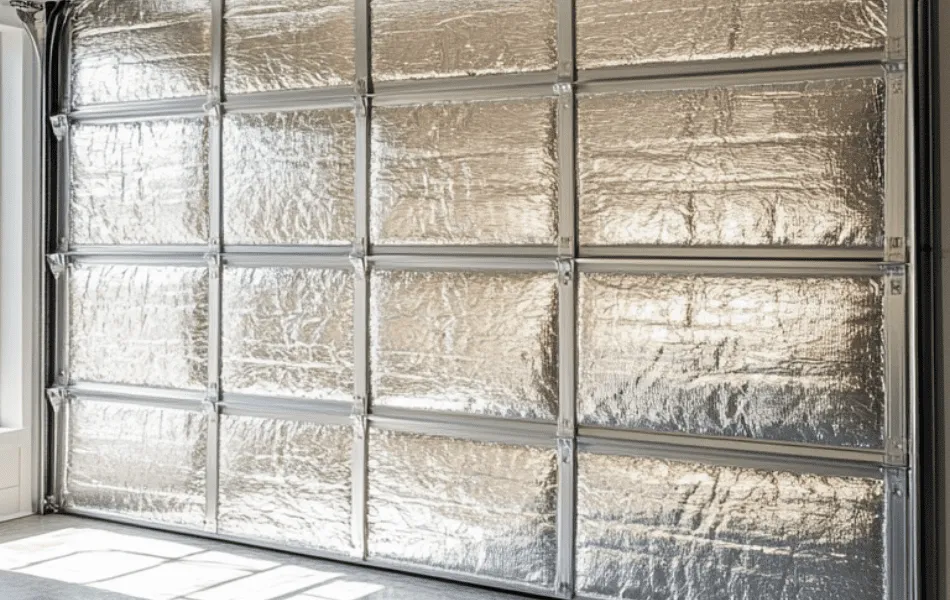
When it comes to garage door insulation for rental properties, many landlords and property managers may not immediately consider it a priority. However, investing in insulation can significantly enhance the property’s value and appeal. Landlords looking to improve their properties should consider the benefits of insulating garage doors. Let’s explore why this investment is beneficial and how it can be implemented effectively.
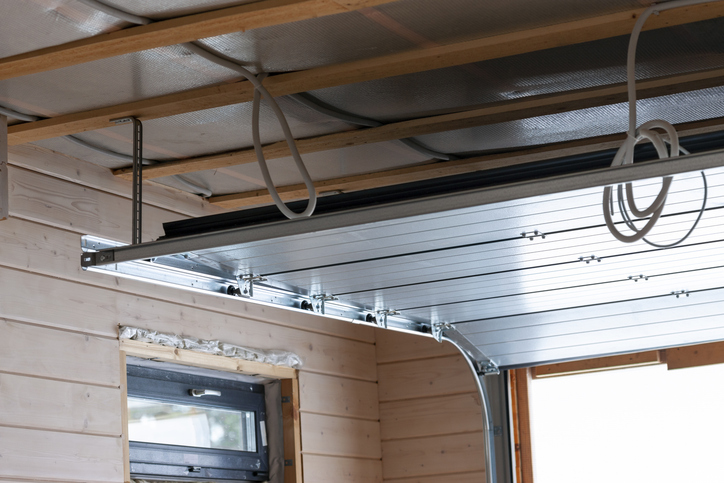
Why Consider Garage Door Insulation?
Insulating garage doors provides a multitude of benefits that can enhance the overall living experience for tenants while also offering financial advantages for property owners. Here are some compelling reasons to consider this upgrade:
Energy Efficiency
Garage door insulation plays a crucial role in maintaining the temperature inside the garage, which can impact the temperature of adjacent rooms. By keeping the garage warmer in winter and cooler in summer, energy bills can be reduced. This improvement is particularly valuable for tenants, as it leads to lower utility costs.
Enhanced Comfort
For tenants, comfort is a significant factor when choosing a rental property. An insulated garage door can reduce drafts and create a more comfortable environment inside the garage, which is especially important for tenants who use their garage as a workspace or recreational area.
Noise Reduction
Insulated garage doors can also help minimize noise from outside, providing a quieter environment for tenants. This feature is particularly appealing in urban settings or busy neighborhoods where noise pollution is prevalent.
Types of Insulation for Garage Doors
When it comes to choosing the right insulation for garage doors in rental properties, there are several options available. Each type has its own benefits and costs, and the choice will depend on the specific needs of the property and budget considerations.
Foam Board Insulation
Foam board insulation is composed of rigid panels that offer excellent thermal resistance. It is one of the most effective and affordable options, making it a popular choice for many property owners. This material is easy to install and can be cut to fit any garage door size.
Reflective Insulation
Reflective insulation is made of foil-faced materials that reflect heat away from the garage. This type of insulation is particularly effective in hot climates, as it helps keep garages cooler by reflecting the sun’s rays.
Fiberglass Insulation
Fiberglass is a traditional insulation material that is highly effective in regulating temperatures. It is typically installed in batts or rolls and provides excellent thermal performance. However, fiberglass can be more challenging to install compared to other types of insulation.
Installation Tips for Insulating Garage Doors
Proper installation is key to maximizing the benefits of garage door insulation. Here are some tips to ensure a successful installation:
Measure Accurately
Before purchasing insulation materials, accurately measure the garage door to ensure a proper fit. This will help avoid any gaps or overlaps that could compromise the insulation’s effectiveness.
Seal Gaps
Ensure that all gaps and seams are sealed properly to prevent air leakage. Use weatherstripping around the edges of the garage door to create a tight seal and improve energy efficiency.
Consult Professionals
For those unfamiliar with insulation installation, consulting with a professional can be beneficial. They can provide guidance on the best materials to use and ensure the installation is done correctly.
Benefits for Property Owners
Aside from the immediate benefits to tenants, property owners can also enjoy several advantages from investing in garage door insulation:
Increased Property Value
Insulating garage doors can increase the overall value of a property. This improvement can be a selling point for potential buyers and tenants, making the property more attractive in the competitive rental market.
Lower Maintenance Costs
By reducing temperature fluctuations and minimizing noise, insulated garage doors can lead to lower maintenance costs over time. The doors themselves may experience less wear and tear, reducing the need for repairs.
Improved Tenant Satisfaction
Happy tenants are more likely to stay longer and take better care of the property. By providing a comfortable and energy-efficient living space, landlords can improve tenant satisfaction and reduce turnover rates.
Potential Challenges and Solutions
While the benefits of garage door insulation are clear, property owners may face some challenges when implementing this upgrade. Here are a few potential issues and solutions:
Initial Cost
Installing insulation may require an upfront investment, which can be a concern for some property owners. However, the long-term savings on energy bills and increased property value can offset this cost. Additionally, there may be tax incentives or rebates available for energy-efficient improvements.
Installation Complexity
For those unfamiliar with DIY projects, installing garage door insulation can be daunting. Hiring a professional installer can ensure the job is done correctly and efficiently, saving time and avoiding potential mistakes.
Conclusion: A Smart Investment for the Future
In summary, garage door insulation for rental properties offers numerous benefits for both tenants and property owners. From improving energy efficiency to increasing property value, this upgrade is a wise investment. By taking the time to carefully select the right insulation materials and ensuring proper installation, property owners can enjoy the advantages of this improvement for years to come.
For more detailed information on garage door insulation, visit [Garage Door Insulation Materials](https://garagedoorsrepairlasvegas.com/garage-door-insulation-materials/).
FAQs
What type of insulation is best for garage doors?
The best type of insulation depends on the climate and specific needs of the property. Foam board insulation is popular for its affordability and effectiveness, while reflective insulation is ideal for hot climates.
Can garage door insulation reduce noise?
Yes, insulated garage doors can significantly reduce noise from outside, creating a quieter environment for tenants.
Is garage door insulation a good investment for landlords?
Absolutely. Insulating garage doors can increase property value, reduce energy costs, and improve tenant satisfaction, making it a wise investment for landlords.
For further reading on the benefits of insulated versus non-insulated garage doors, check out this [external source](https://www.blackhawkgaragedoor.com/blog/insulated-vs-uninsulated/) for more insights.
This article contains affiliate links. We may earn a commission at no extra cost to you.