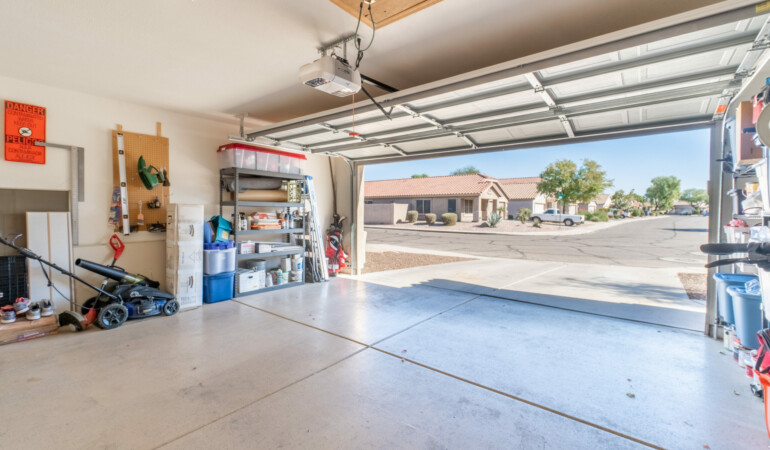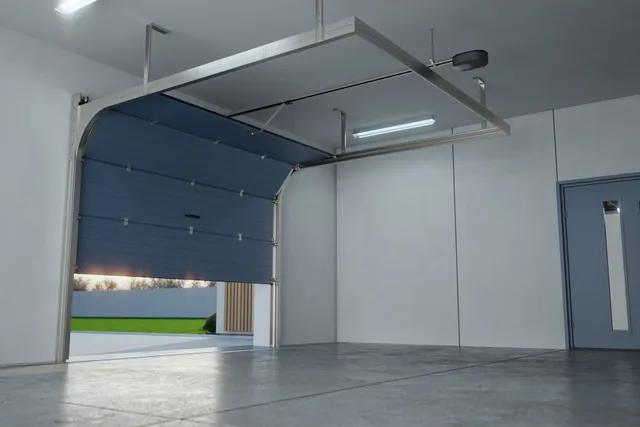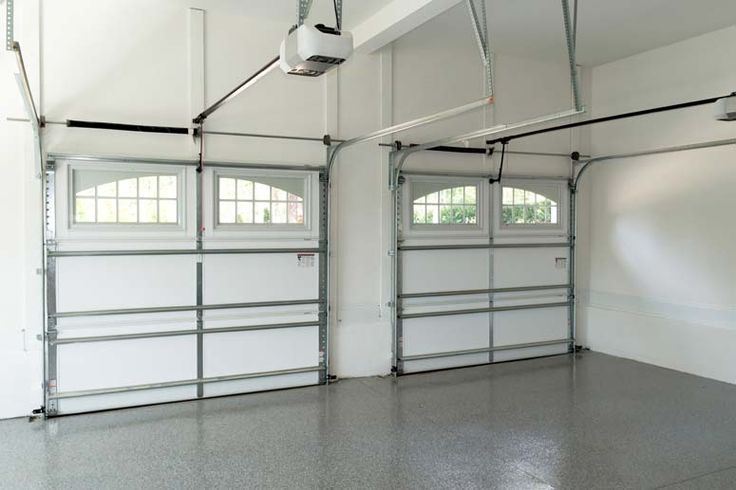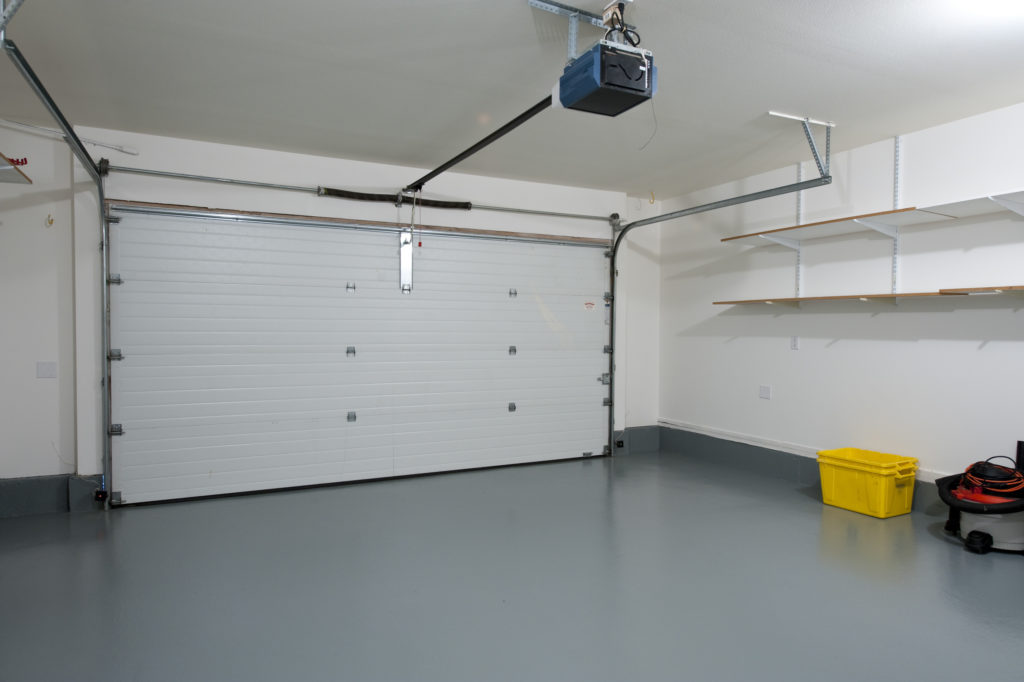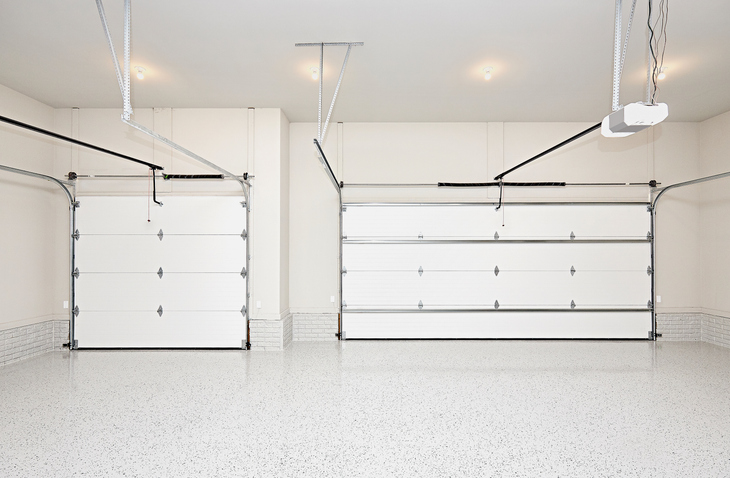
In today’s world, where tiny homes have become a popular choice for sustainable living, the importance of efficient space management and energy conservation cannot be overstated. One key aspect that often goes unnoticed is the garage door insulation for tiny homes. Proper insulation not only enhances the comfort level within your tiny home but also significantly improves energy efficiency.
The concept of garage door insulation for tiny homes is gaining traction as homeowners seek ways to optimize their living spaces. By focusing on this aspect, you can ensure that your tiny home remains cozy and energy-efficient all year round.
Why Insulate Your Garage Door?
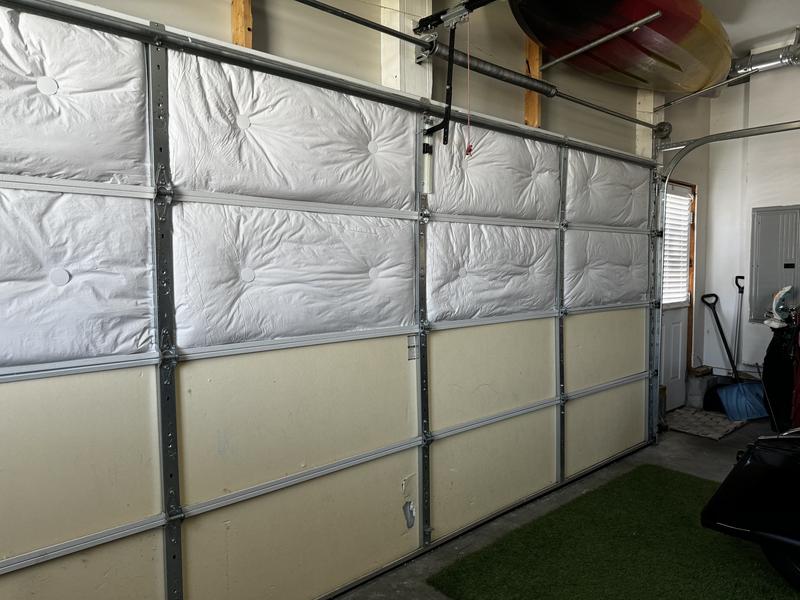
Insulating your garage door is essential for several reasons. Not only does it provide thermal benefits, but it also contributes to soundproofing, making your home a more pleasant place to live. Additionally, a well-insulated garage door can increase the lifespan of the door itself by protecting it from extreme weather conditions.
Thermal Efficiency
One of the primary reasons to insulate your garage door is to improve thermal efficiency. By minimizing heat transfer, insulation keeps your tiny home warm in the winter and cool in the summer. This is particularly important in tiny homes, where space is limited and climate control is crucial.
Soundproofing Benefits
Besides thermal efficiency, garage door insulation also offers soundproofing benefits. This can be a significant advantage if your tiny home is located in a noisy area. Insulation materials can absorb sound, reducing the amount of noise that enters your living space.
Types of Insulation Materials
There are several types of insulation materials suitable for garage doors. Each has its advantages and disadvantages, so it’s important to choose the right one for your specific needs.
Polystyrene Insulation
Polystyrene is a popular choice for garage door insulation because of its excellent thermal properties. It is available in rigid panels that are easy to cut and install. Polystyrene is also lightweight, making it a convenient option for tiny homes.
Polyurethane Insulation
Polyurethane offers superior insulation capabilities compared to polystyrene. It is sprayed into the door, expanding to fill gaps and providing a high level of thermal resistance. Although more expensive, polyurethane insulation is a worthwhile investment for those seeking maximum energy efficiency.
Reflective Foil Insulation
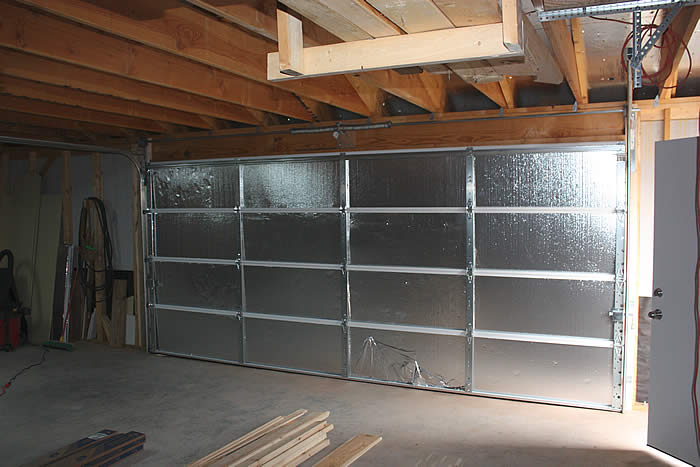
Reflective foil insulation is another option, particularly effective in hot climates. It works by reflecting radiant heat away from the garage, keeping the interior cooler. This type of insulation is often used in conjunction with other materials to enhance overall performance.
DIY vs. Professional Installation
When it comes to installing garage door insulation, homeowners can choose between DIY methods and professional installation. Both have their pros and cons, and the decision often depends on budget and expertise.
DIY Installation
For those who enjoy hands-on projects, DIY installation can be a cost-effective solution. With the right materials and tools, you can insulate your garage door yourself, saving on labor costs. However, it’s important to follow guidelines to ensure proper installation and effectiveness.
Professional Installation
On the other hand, professional installation guarantees that the job is done correctly and efficiently. Professionals have the expertise and equipment necessary to ensure optimal insulation performance, providing peace of mind for homeowners who may not have the time or skills to undertake the project themselves.
Maintaining Your Insulated Garage Door
Once your garage door is insulated, regular maintenance is crucial to ensure its longevity and effectiveness. This includes checking for any damage or wear, cleaning the door, and ensuring that the seals are intact.
Regular Inspections
Conducting regular inspections allows you to identify any issues early on, preventing costly repairs or replacements. Look for signs of damage, such as cracks or gaps in the insulation, and address them promptly.
Cleaning and Maintenance
Keeping your garage door clean is also important. Dust and debris can accumulate over time, affecting the door’s functionality. Use a gentle cleaner and a soft cloth to clean the door periodically, preserving its appearance and performance.
Cost Considerations
When planning to insulate your garage door, it’s essential to consider the costs involved. While some materials may be more affordable, investing in higher-quality insulation can lead to long-term savings on energy bills.
Budget-Friendly Options
If you’re on a budget, there are cost-effective insulation options available. For example, polystyrene panels are relatively inexpensive and offer decent thermal resistance, making them a popular choice for budget-conscious homeowners.
Long-Term Savings
Investing in premium insulation materials, such as polyurethane, may require a higher initial investment. However, the improved energy efficiency can lead to significant savings on heating and cooling costs, making it a financially sound decision in the long run.
Environmental Impact
In addition to improving comfort and efficiency, insulating your garage door can also have a positive impact on the environment. By reducing energy consumption, you contribute to a decrease in carbon emissions, promoting a more sustainable lifestyle.
Reducing Energy Consumption
Proper insulation minimizes the need for heating and cooling, reducing your home’s overall energy consumption. This not only benefits your wallet but also helps conserve natural resources, contributing to a more sustainable future.
Eco-Friendly Insulation Materials
When selecting insulation materials, consider eco-friendly options. Some materials are made from recycled or renewable resources, reducing their environmental impact. By choosing sustainable materials, you can enhance your home’s energy efficiency while minimizing your carbon footprint.
Conclusion
In conclusion, garage door insulation for tiny homes is a crucial aspect of enhancing comfort and energy efficiency. By carefully selecting the right insulation materials and installation method, you can create a more sustainable and enjoyable living environment. Whether you choose to undertake a DIY project or hire professionals, the benefits of a well-insulated garage door are undeniable.
For more information on choosing the best insulation materials, you can visit [OGD](https://ogd.com/garage-door-insulation/) (external) and [Garage Door Insulation Materials](https://garagedoorsrepairlasvegas.com/garage-door-insulation-materials/) (internal).
FAQs
1. How much does garage door insulation cost?
The cost of garage door insulation varies depending on the materials used and whether you opt for DIY or professional installation. On average, costs can range from $100 to $500.
2. What is the best insulation material for garage doors?
The best insulation material depends on your specific needs and budget. Polyurethane offers superior thermal resistance, while polystyrene is a more budget-friendly option.
3. Can I insulate my garage door myself?
Yes, with the right materials and tools, you can insulate your garage door yourself. However, professional installation ensures optimal performance and peace of mind.
This article contains affiliate links. We may earn a commission at no extra cost to you.