When considering the operational efficiency of a warehouse, one often overlooked aspect is the garage door insulation. This element can significantly impact energy costs, climate control, and overall warehouse functionality. In this article, we will delve into the importance of garage door insulation for warehouses, exploring how it can benefit your business in various ways.
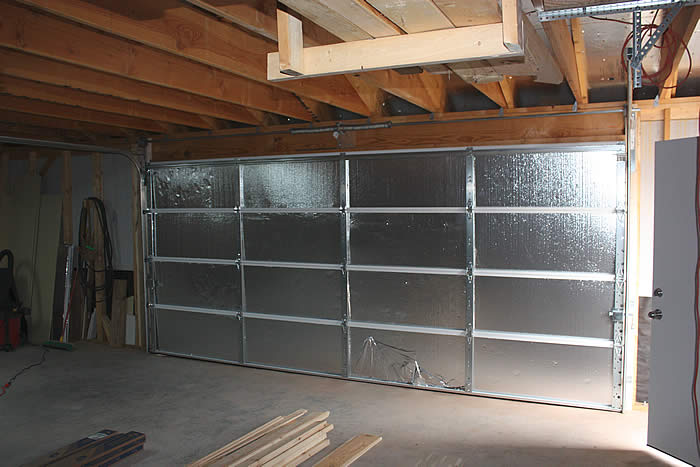
The Need for Insulation in Warehouses
Warehouses are large spaces that require effective climate control to ensure the safety of stored goods and comfort for employees. Insulating garage doors helps maintain a consistent indoor temperature, reducing the strain on heating and cooling systems.
What is Garage Door Insulation?
Insulation involves adding materials to a garage door to reduce heat loss or gain. It acts as a barrier, preventing external weather conditions from affecting the internal environment. The choice of insulation material can vary, including foam boards, reflective barriers, or fiberglass.
Types of Insulation Materials
There are several materials commonly used for garage door insulation:
- Foam Boards: These are rigid panels that offer excellent thermal resistance.
- Reflective Barriers: Often used in warmer climates, these barriers reflect heat away from the door.
- Fiberglass: Known for its affordability and effectiveness, fiberglass is a popular choice for many warehouse owners.
For a more detailed comparison of these materials, visit our guide on garage door insulation materials.
Benefits of Insulating Garage Doors in Warehouses
Insulating garage doors in warehouses offers numerous benefits:
1. Energy Efficiency
By reducing the amount of heat lost or gained, insulated doors help lower energy bills. This can result in significant cost savings over time.
2. Improved Climate Control
Maintaining a stable indoor temperature is crucial for preserving inventory quality and ensuring employee comfort. Insulated doors contribute to better climate control.
3. Noise Reduction
Insulated doors can also reduce noise levels inside the warehouse, creating a quieter, more pleasant working environment.
How to Choose the Right Insulation for Your Warehouse
When selecting insulation for your warehouse doors, consider the following factors:
Climate
The local climate will largely dictate the type of insulation you need. For instance, reflective barriers are more suitable for warm regions.
Budget
Consider how much you are willing to invest in insulation. While some materials might be more expensive initially, they could offer greater savings over time.
Installation
Some insulation materials are easier to install than others. If you plan to do the installation yourself, choose a material that suits your skill level.
Installation Process
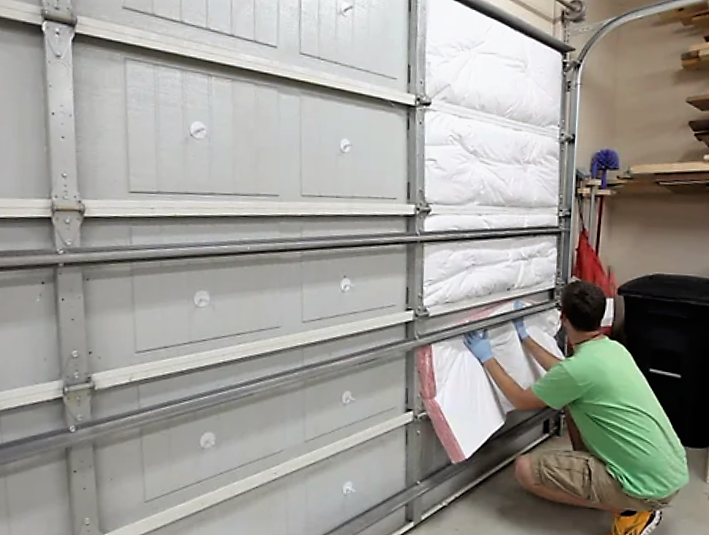
Installing garage door insulation can be a straightforward process. Heres a basic outline:
- Measure the door to determine the amount of material needed.
- Purchase the appropriate insulation material.
- Cut the material to fit the panels of the door.
- Secure the insulation using adhesive or clips.
For more detailed instructions, you can check our article on garage door insulation for car protection.
Maintenance of Insulated Doors
Maintaining your insulated doors is essential for ensuring their longevity and effectiveness. Regular checks and cleaning can prevent damage and extend the life of the insulation.
Regular Inspections
Inspect the doors regularly for signs of wear or damage. Replace any damaged insulation promptly to maintain efficiency.
Cleaning
Keep the doors clean to prevent dirt and debris from affecting the insulation. Use mild detergents and avoid abrasive cleaners.
Cost Considerations
The cost of insulating garage doors can vary based on the size of the doors and the type of insulation used. While the initial investment might seem high, the long-term savings in energy costs can offset this.
To explore more about cost-effective solutions, visit our page on insulated garage doors and mold prevention.
Environmental Impact
By improving energy efficiency, insulated doors contribute to reducing the overall carbon footprint of a warehouse, making it a more environmentally friendly operation.
Reducing Energy Consumption
Less energy consumption means fewer emissions, which is beneficial for the environment.
FAQs
What is the best insulation for warehouse garage doors?
The best insulation depends on your specific needs and climate. Foam boards and fiberglass are popular choices.
How much can I save with insulated garage doors?
Savings vary, but many businesses report significant reductions in energy costs.
Is professional installation necessary?
While it’s possible to install insulation yourself, professional installation ensures the job is done correctly.
For more information on the benefits of garage door insulation, visit the Overhead Door Blog.
This article contains affiliate links. We may earn a commission at no extra cost to you.