The garage door insulation infographic is an essential tool for homeowners who are keen on improving energy efficiency and comfort in their homes. By insulating your garage door, you can make a significant impact on your home’s overall energy consumption and temperature regulation. This article serves as a comprehensive guide to understanding the importance of garage door insulation, how to implement it, and the benefits it brings to your home environment.
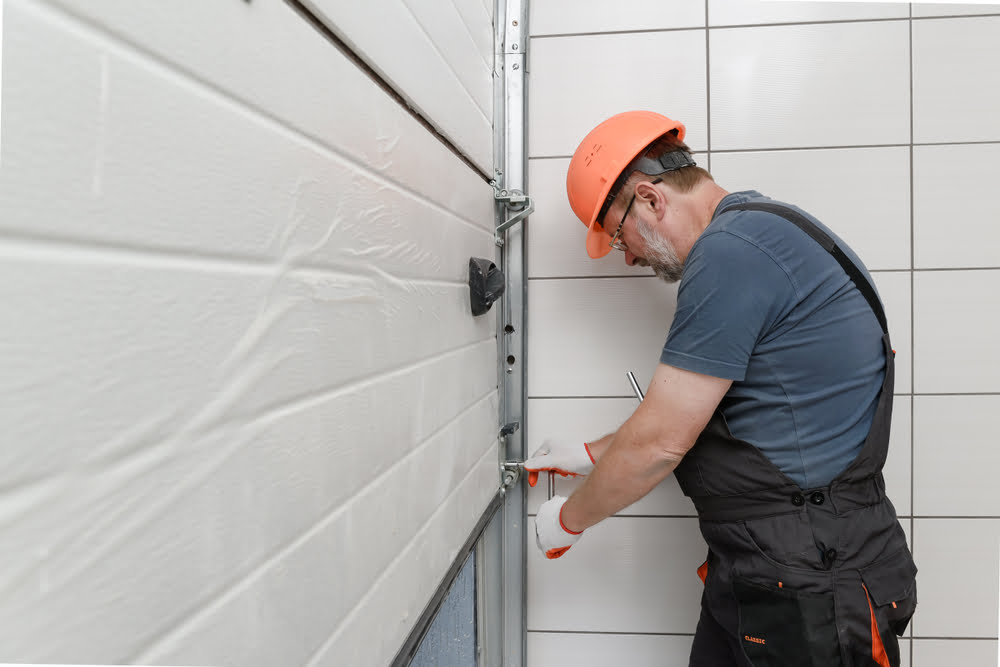
Understanding Garage Door Insulation
Garage door insulation involves adding material to your garage door to reduce heat loss or gain. This process helps regulate the temperature in your garage, making it warmer in the winter and cooler in the summer. Insulation materials can vary, but commonly include foam boards, reflective barriers, or fiberglass batts.
Why Insulate Your Garage Door?
Insulating your garage door can lead to numerous benefits. It enhances energy efficiency, reduces noise, and can even increase the lifespan of your garage door. Additionally, if your garage is attached to your home, insulation can prevent heat loss from the home itself, saving you money on your energy bills.
Energy Efficiency
An insulated garage door helps maintain a stable temperature in your garage, reducing the need for additional heating or cooling. This can lead to significant energy savings over time.
Noise Reduction
Insulation can also reduce the amount of noise that enters or exits your garage. This is particularly beneficial if you use your garage as a workshop or if you live in a noisy neighborhood.
Types of Garage Door Insulation
There are several types of insulation available for garage doors, each with its own benefits and drawbacks.
Foam Boards
Foam boards are made from materials like polystyrene or polyurethane and are known for their excellent insulating properties. They are lightweight and easy to install, making them a popular choice for garage door insulation.
Reflective Barriers
Reflective barriers are made from aluminum foil and reflect heat away from the garage. They are particularly effective in hot climates where heat from the sun is a major concern.
Fiberglass Batts
Fiberglass batts are another popular option, known for their affordability and ease of installation. They are effective at reducing heat transfer and sound.
Steps to Insulate Your Garage Door
Insulating your garage door is a straightforward process. Heres a step-by-step guide to get you started:
1. Measure Your Garage Door
Start by measuring the width and height of your garage door panels. This will help you determine how much insulation material you need.
2. Choose Your Insulation Material
Select the insulation material that best suits your needs and budget. Consider factors like climate, noise levels, and ease of installation.
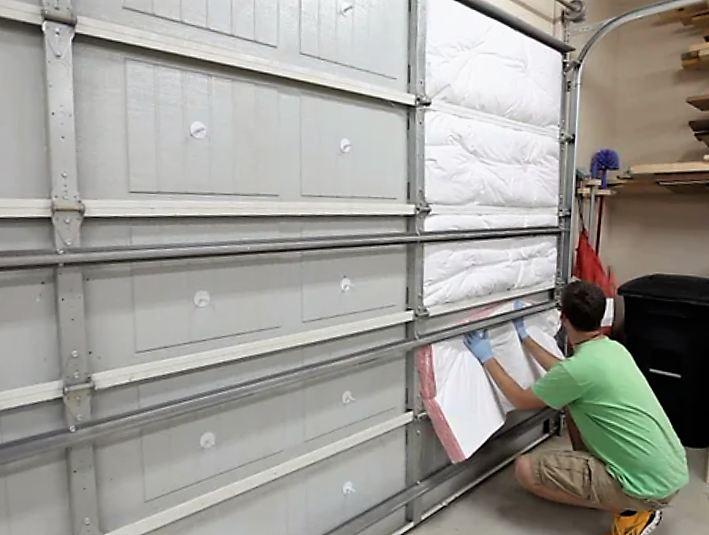
3. Cut and Attach the Insulation
Cut the insulation material to fit your garage door panels. Use adhesive or tape to secure the insulation in place, ensuring there are no gaps.
4. Seal the Edges
Seal the edges of the insulation with weatherstripping to prevent air leaks and enhance the insulations effectiveness.
Benefits of Insulating Your Garage Door
Insulating your garage door offers several benefits, including:
Improved Comfort
By regulating the temperature in your garage, insulation can make the space more comfortable to work in year-round.
Energy Savings
Reducing heat loss through your garage door can lead to lower energy bills, as your heating and cooling systems wont have to work as hard.
Increased Home Value
An insulated garage door can add value to your home, making it more attractive to potential buyers.
Common Insulation Mistakes to Avoid
When insulating your garage door, avoid these common mistakes:
Using the Wrong Material
Choose the right insulation material for your climate and needs. Using the wrong material can reduce the effectiveness of your insulation.
Improper Installation
Ensure the insulation is installed correctly. Gaps or loose material can compromise its effectiveness.
Neglecting Maintenance
Regularly check your insulation for damage and repair any issues promptly to maintain its performance.
FAQ
Q: Is it worth insulating my garage door?
A: Yes, insulating your garage door can improve energy efficiency, reduce noise, and increase home value.
Q: What is the best insulation for garage doors?
A: Foam boards and fiberglass batts are popular choices due to their excellent insulating properties and affordability.
Q: Can I insulate my garage door myself?
A: Yes, with the right materials and tools, insulating your garage door can be a DIY project.
Conclusion
The garage door insulation infographic highlights the importance and benefits of insulating your garage door. By choosing the right materials and following proper installation steps, you can enhance your homes comfort and energy efficiency. For more information on garage door insulation, visit installation checklist, passive homes, and before winter. For additional benefits of an insulated garage door, check out this external resource for more insights.
This article contains affiliate links. We may earn a commission at no extra cost to you.