When considering home improvements, one often overlooked area is the garage. Yet, ensuring your garage door is properly insulated can significantly impact your home’s energy efficiency, comfort, and even security. In this comprehensive guide, we delve into the world of garage door insulation materials, helping you make informed decisions for your home.

Why Insulate Your Garage Door?
Before diving into the types of materials available, it’s crucial to understand why insulating your garage door matters. Firstly, it helps maintain a consistent temperature, reducing energy costs by keeping the cold out in winter and the heat out in summer. Moreover, a well-insulated garage can serve as an additional living space, workshop, or storage area, adding value to your home.
Types of Garage Door Insulation Materials
Polystyrene Insulation
Polystyrene is a popular choice for garage door insulation due to its affordability and ease of installation. It comes in rigid panels that are inserted into the door’s frame. While it offers moderate insulation, its primary advantage is cost-effectiveness.
Polyurethane Insulation
Polyurethane is another common material, known for its superior insulation properties. It is injected between the door’s panels, expanding to fill every nook and cranny. This method not only provides excellent thermal resistance but also adds strength and durability to the garage door.
Reflective Foil Insulation
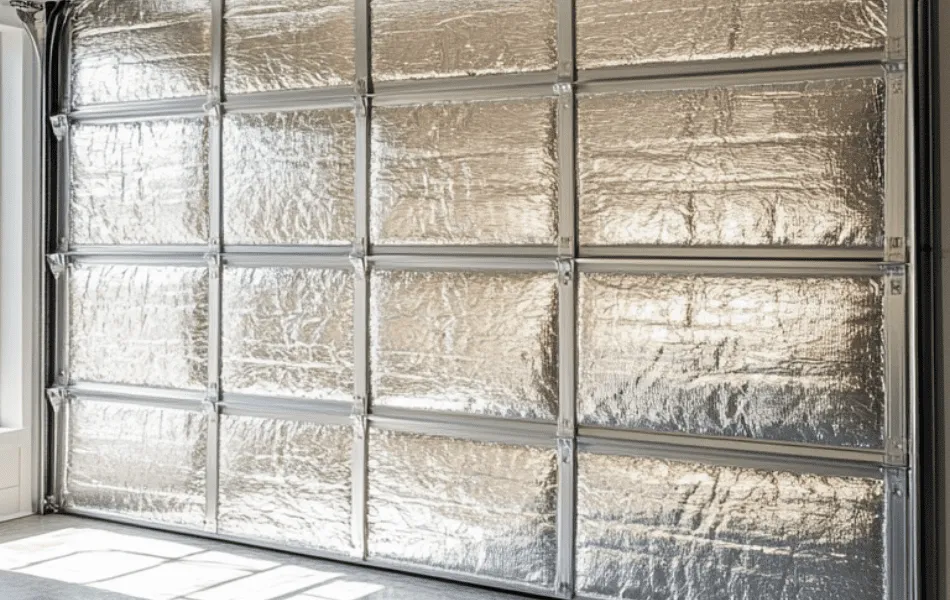
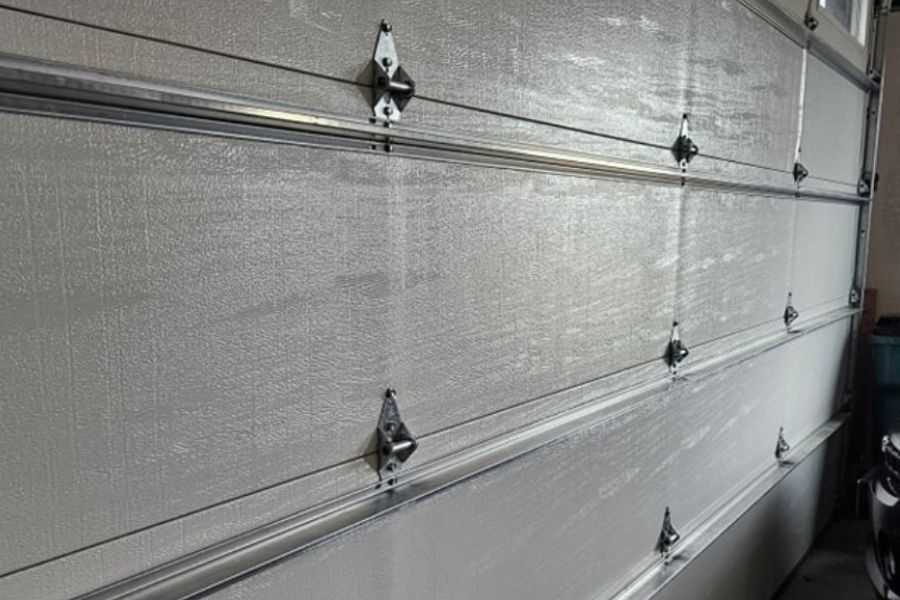
Reflective foil is a lightweight option that reflects radiant heat away from your garage. Its particularly beneficial in hot climates, where keeping the heat out is a priority. This material is often used in conjunction with other insulation types for enhanced performance.
Benefits of Garage Door Insulation
Insulating your garage door offers numerous advantages beyond temperature control. It can significantly reduce noise from both outside the garage and within, creating a quiet and peaceful environment. Additionally, it can help prevent the formation of condensation, which can lead to mold and mildew growth.
How to Choose the Right Insulation Material
Choosing the right garage door insulation materials depends on several factors, including your climate, budget, and the specific needs of your garage. For instance, if you live in an area with extreme temperatures, polyurethane might be your best bet for keeping energy costs down. On the other hand, if budget is a concern, polystyrene offers a balance of cost and efficiency.
Installation Process
Installing garage door insulation can be a DIY project or handled by professionals. If youre handy and have the necessary tools, you might opt to install it yourself. However, for more complex materials like polyurethane, professional installation ensures optimal performance and longevity.
Cost Considerations
The cost of insulating your garage door varies based on the material and whether you choose to hire a professional installer. While polystyrene is the most budget-friendly option, investing in higher-end materials like polyurethane can lead to greater energy savings in the long run.
Environmental Impact
When selecting garage door insulation materials, it’s also important to consider their environmental impact. Polyurethane and polystyrene are both made from synthetic materials, which can have a higher carbon footprint. However, the energy savings they provide often offset this impact over time.
Maintaining Your Insulated Garage Door
To maximize the lifespan and effectiveness of your insulated garage door, regular maintenance is essential. This includes checking for any gaps or damage in the insulation and ensuring that the door’s seal is intact. Regular maintenance not only enhances insulation performance but also extends the door’s lifespan.
Innovations in Garage Door Insulation
The field of garage door insulation is continuously evolving, with new materials and technologies emerging. For example, some manufacturers are experimenting with eco-friendly alternatives to traditional materials, offering more sustainable options for the environmentally conscious homeowner.
Conclusion
In conclusion, garage door insulation materials play a vital role in enhancing your home’s energy efficiency, comfort, and overall value. By understanding the different types of materials available and their benefits, you can make an informed decision that meets your specific needs and budget. Whether you choose polystyrene, polyurethane, or a combination of materials, investing in garage door insulation is a smart move for any homeowner.
FAQs
What is the best insulation material for garage doors?
The best insulation material depends on your specific needs and budget. Polyurethane is known for its superior insulation properties, while polystyrene is a more affordable option.
Can I install garage door insulation myself?
Yes, installing garage door insulation can be a DIY project. However, professional installation is recommended for more complex materials like polyurethane.
How does insulation affect garage door performance?
Insulation improves energy efficiency, reduces noise, and prevents condensation, thereby enhancing the overall performance and lifespan of your garage door.
For more information on insulated garage doors and their benefits, visit The Spruce and Blackhawk Garage Door.
This article contains affiliate links. We may earn a commission at no extra cost to you.