As a homeowner, you might have considered the importance of garage door insulation not only for temperature regulation but also for its ability to reduce noise. The garage door insulation noise test is crucial in determining how effective your insulation is in minimizing sound disturbances. In this article, we’ll delve into the various aspects of garage door insulation and how it can significantly impact the noise levels in your home.
Understanding Garage Door Noise
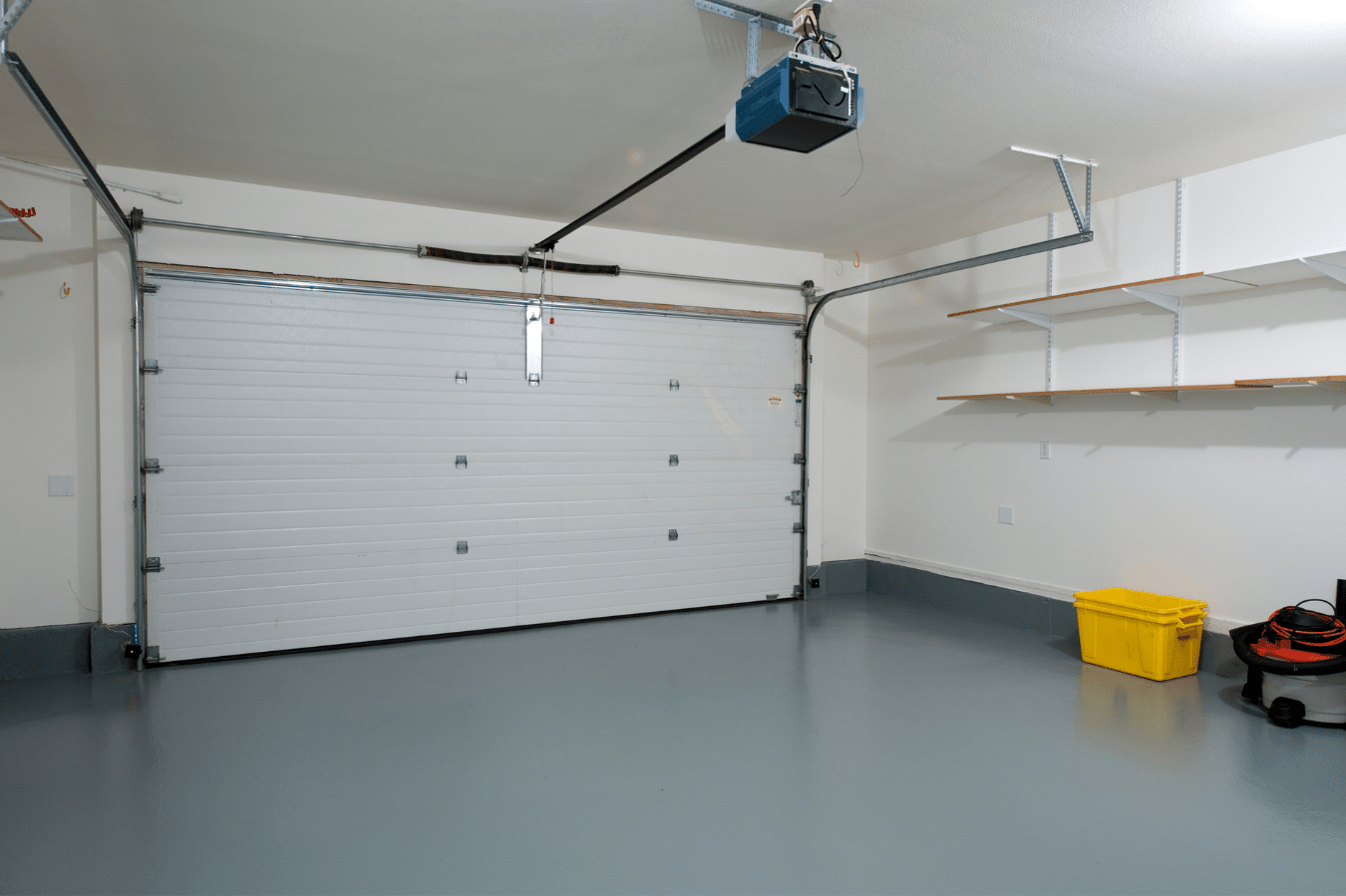
Garage doors can be a source of unwanted noise, affecting the tranquility of your home environment. Sounds can emanate from the door’s movement, the operation of the opener, or external noises penetrating through the garage. Recognizing the source of the noise is the first step in addressing the issue.
Why Insulate Your Garage Door?
Insulating your garage door not only helps in temperature control but also plays a pivotal role in soundproofing your garage. By adding insulation, you create a barrier that reduces the transmission of sound waves, leading to a quieter indoor environment.
Benefits of Garage Door Insulation
The benefits of insulating your garage door extend beyond noise reduction. It also includes energy efficiency, improved durability of the door, and enhanced comfort for attached living spaces. Insulation helps maintain a consistent temperature, reducing energy consumption and costs.
Types of Garage Door Insulation
There are several types of insulation materials that you can use for your garage door:
- Polystyrene Foam: Known for its durability and insulation properties, this material is a common choice for garage doors.
- Polyurethane Foam: Offers better insulation and a higher R-value, making it effective for soundproofing.
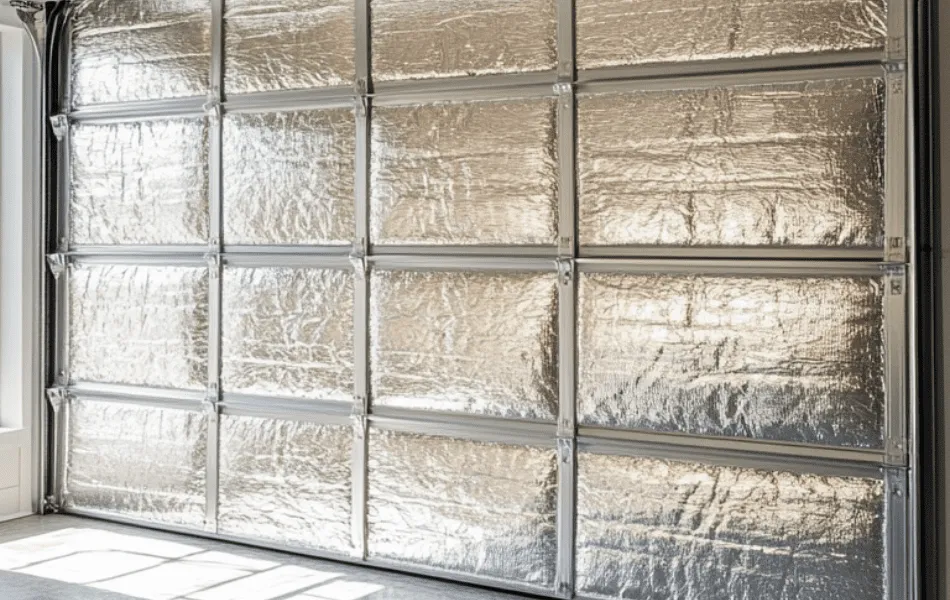
- Reflective Insulation: Ideal for garages exposed to direct sunlight, it reflects heat away while offering moderate soundproofing.
Conducting a Garage Door Insulation Noise Test
To assess the effectiveness of your garage door insulation, a noise test can be conducted. This involves measuring the sound levels inside and outside the garage with a decibel meter while the door is in operation. Compare these readings to determine the insulation’s effectiveness in reducing noise.
Steps to Perform a Noise Test
- Gather Equipment: You will need a decibel meter, which you can purchase or rent, to measure noise levels accurately.
- Measure Baseline Noise: Record the ambient noise level inside and outside the garage without the door in operation.
- Operate the Garage Door: Open and close the door several times while recording the noise levels.
- Analyze Results: Compare the noise levels with and without the door in operation to evaluate the effectiveness of the insulation.
Improving Soundproofing with Additional Measures
While insulation is a significant factor, there are additional measures you can take to further reduce garage noise:
- Weatherstripping: Seals gaps around the door, preventing sound from leaking through.
- Acoustic Panels: Install on walls to absorb sound waves within the garage.
- Regular Maintenance: Ensure the garage door and opener are in good working condition to minimize operational noise.
Choosing the Right Insulation for Your Garage
When selecting insulation, consider factors such as the climate, your budget, and the specific noise issues you’re experiencing. Consulting with a professional can help you make an informed decision based on your unique needs.
Impact of Garage Design on Noise
The design and construction of your garage can also influence noise levels. For instance, garages with thin walls or those attached to living spaces may require more robust insulation solutions.
For more insights into garage design and insulation, visit insulation for luxury homes and discover ways to enhance your garage’s functionality.
Common Misconceptions About Garage Door Insulation
There are several misconceptions regarding garage door insulation, such as the belief that it is only necessary in cold climates. In reality, insulation is beneficial in various climates and for multiple reasons, including noise reduction.
FAQs on Garage Door Insulation
1. How does insulation reduce garage door noise?
Insulation adds a layer of material that absorbs sound waves, reducing the transmission of noise through the door.
2. Is it possible to install insulation myself?
Yes, many homeowners choose to install insulation themselves. However, professional installation ensures optimal results.
3. Can insulation improve energy efficiency?
Absolutely. Insulation helps regulate temperature, reducing energy consumption and costs. Learn more about insulation for car protection and its benefits.
For further reading on the impact of garage door insulation, check out this article on the benefits of insulated garage doors.
Conclusion
Conducting a garage door insulation noise test is essential for identifying the effectiveness of your insulation in minimizing noise. Whether you’re looking to create a quieter environment or improve energy efficiency, garage door insulation offers numerous benefits. By understanding the types of insulation available and how to perform a noise test, you can make informed decisions to enhance your home’s comfort and tranquility.
This article contains affiliate links. We may earn a commission at no extra cost to you.