When it comes to improving your home’s energy efficiency, tackling your garage can make a significant difference. Specifically, focusing on garage door insulation on a budget can lead to substantial savings on your energy bills. In this article, we’ll explore how you can insulate your garage door without breaking the bank.
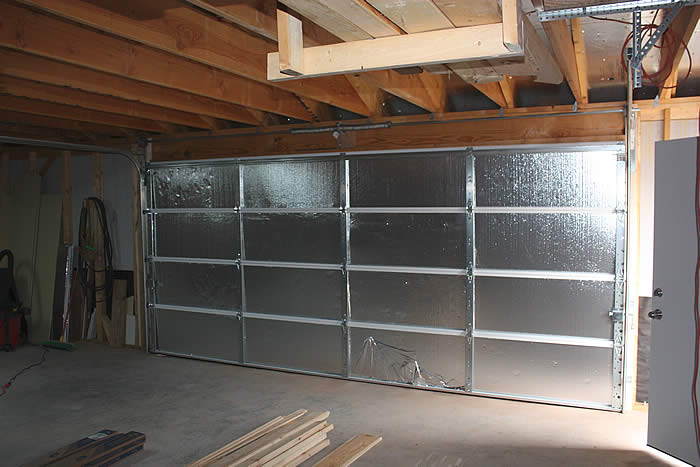
Why Insulate Your Garage Door?
Insulating your garage door can help regulate the temperature in your garage, making it more comfortable year-round. It can also help reduce energy costs and improve your home’s overall efficiency. For more information on the benefits of insulating your garage door, you can check this external link.
Types of Insulation Materials
1. Foam Boards
Foam boards are one of the most cost-effective options for insulating your garage door. They are easy to cut and install, providing a good R-value for their thickness.
2. Reflective Insulation
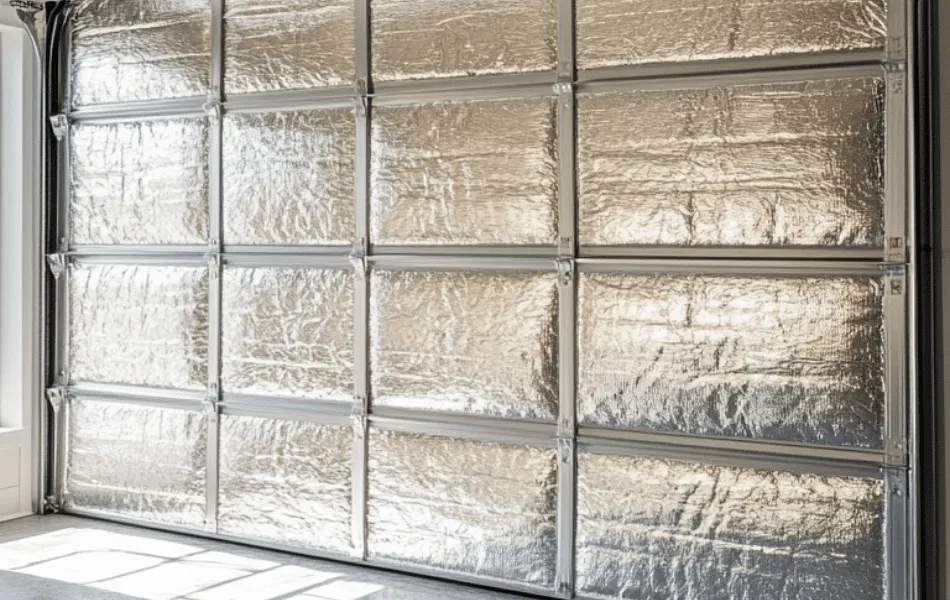
Reflective insulation works by reflecting radiant heat away from the garage. It’s lightweight, easy to install, and affordable, making it a popular choice for budget-conscious homeowners.
3. Batt Insulation
Batt insulation is commonly used in walls and attics, but it can also be used for garage doors. While it may require more effort to install, it offers excellent thermal performance.
Step-by-Step Guide to Insulating Your Garage Door
Step 1: Measure Your Garage Door
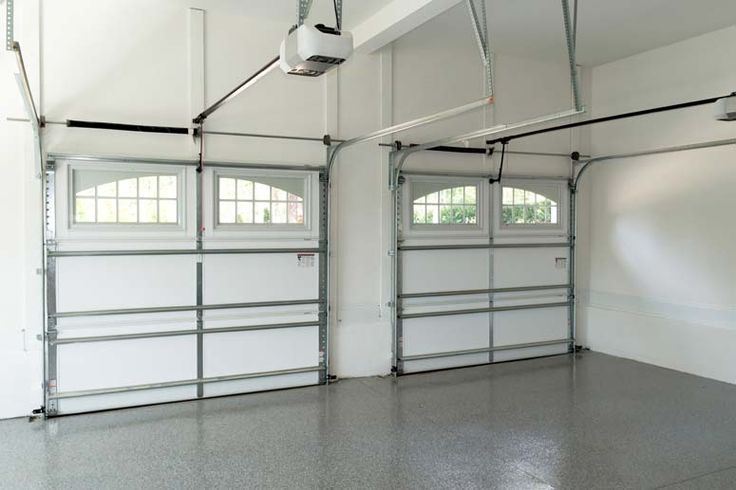
Start by measuring the height and width of your garage door panels. This will help you determine how much insulation material you’ll need.
Step 2: Choose Your Insulation Material
Based on your budget and insulation needs, select the material that suits you best. For more insights into choosing the right insulation, see this resource.
Step 3: Cut and Fit the Insulation
Cut the insulation material to fit each panel of your garage door. Ensure a snug fit to maximize the insulation’s effectiveness.
Step 4: Secure the Insulation
Use adhesive or fasteners to secure the insulation to the garage door panels. Make sure it’s firmly attached to prevent it from falling off.
Additional Tips for a Budget-Friendly Insulation
Seal the Gaps
Inspect your garage door for any gaps or cracks that might let air in or out. Use weatherstripping or caulk to seal these areas for added efficiency.
Regular Maintenance
Regular maintenance of your garage door can also contribute to energy savings. Ensure that the door is well-lubricated and that the seals are in good condition.
Consider DIY Options
If you’re handy, doing the insulation yourself can save you labor costs. Many insulation materials are DIY-friendly, and there are plenty of guides and videos available to help you.
Common Mistakes to Avoid
Overlooking the R-Value
The R-value indicates the insulation’s effectiveness. Don’t choose materials solely based on price; consider their R-value to ensure adequate insulation.
Ignoring the Garage Door’s Condition
Before insulating, check the condition of your garage door. If it’s damaged or outdated, it might be more cost-effective to replace it with a new, insulated model.
Skipping Professional Help
If you’re unsure about insulating your garage door, don’t hesitate to seek professional assistance. It might cost more upfront, but it can save you money in the long run.
Benefits of Insulating Your Garage Door
Insulating your garage door can lead to a more comfortable home environment, lower energy bills, and increased property value. To learn more about these benefits, visit this link.
Conclusion
Insulating your garage door is a worthwhile investment that can pay off in terms of comfort and energy savings. By following budget-friendly practices, you can achieve effective insulation without overspending.
FAQ
1. What is the most cost-effective insulation for garage doors?
Foam boards and reflective insulation are some of the most budget-friendly options for garage door insulation.
2. How much can I save on energy bills by insulating my garage door?
While savings can vary, insulating your garage door can contribute to a noticeable reduction in your energy bills over time.
3. Can I insulate my garage door myself?
Yes, many homeowners choose to insulate their garage doors themselves. With the right materials and instructions, it can be a manageable DIY project.
This article contains affiliate links. We may earn a commission at no extra cost to you.