When it comes to improving your home’s energy efficiency and comfort, exploring garage door insulation retrofit options is a smart move. Many homeowners overlook the garage, yet it can significantly impact your home’s overall temperature and energy costs. In this article, we’ll dive into various insulation methods that can transform your garage into a more functional and energy-efficient space.
Why Consider Garage Door Insulation?
Insulating your garage door offers numerous benefits. It helps maintain a more consistent temperature, reduces energy bills, and even enhances the aesthetic appeal of your garage. By choosing the right garage door insulation retrofit options, you can keep your garage warm in winter and cool in summer, providing a more comfortable environment for activities or storage.
Types of Garage Door Insulation
1. Reflective Foil Insulation
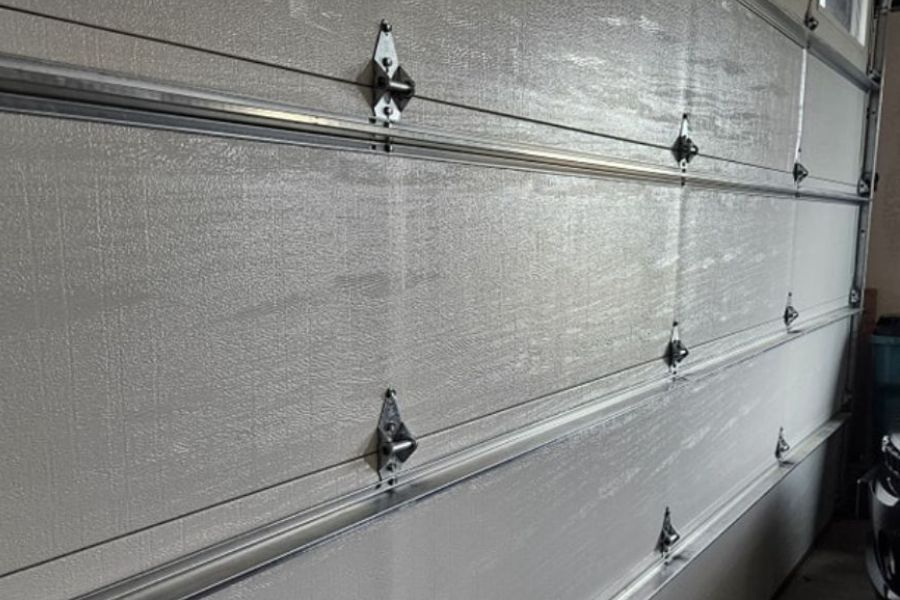
Reflective foil insulation is a popular choice due to its effectiveness in reflecting radiant heat. It consists of a layer of foil laminated to other materials like polyethylene bubbles. This type of insulation is lightweight and easy to install, making it an ideal DIY project for homeowners.
2. Polystyrene Foam Panels
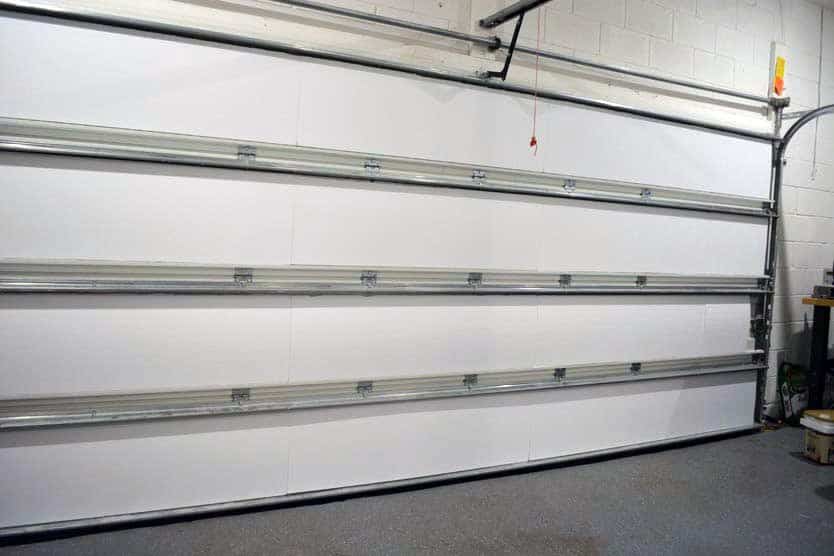
Another option is polystyrene foam panels. These rigid panels are known for their excellent thermal resistance and durability. They fit snugly between the garage door panels, providing a significant barrier against temperature fluctuations.
3. Polyurethane Foam
Polyurethane foam is a high-performance insulation material that offers superior thermal resistance. It expands to fill gaps and adheres well to surfaces, ensuring a tight seal. While more expensive, it provides the best insulation among retrofit options.
Installation Considerations
1. DIY vs. Professional Installation
Deciding between DIY and professional installation depends on your skills, budget, and the complexity of your chosen insulation. While DIY can be cost-effective, professional installation guarantees optimal results, especially for materials like polyurethane foam.
2. Tools and Materials Needed
For a successful retrofit, ensure you have the necessary tools, such as a utility knife, measuring tape, and adhesive. The materials required will vary based on the insulation type you choose.
Benefits of Insulating Your Garage Door
Insulating your garage door offers several advantages. It reduces noise transmission, enhances energy efficiency, and protects stored items from extreme temperatures. Additionally, [insulated garage doors can prevent mold](https://garagedoorsrepairlasvegas.com/insulated-garage-doors-and-mold-prevention/) and moisture damage, making them a worthwhile investment.
Choosing the Right Insulation Material
When selecting insulation materials, consider factors such as R-value, moisture resistance, and budget. Higher R-values indicate better insulating properties, while moisture resistance is crucial for garages in humid areas.
Cost Considerations
The cost of insulating your garage door varies based on the material, labor, and any additional features. Reflective foil is generally the most affordable, while polyurethane foam is on the higher end. To explore cost-effective solutions, consider [garage door insulation before winter](https://garagedoorsrepairlasvegas.com/garage-door-insulation-before-winter/).
Maintaining Insulated Garage Doors
Regular maintenance is essential to ensure the longevity of your insulated garage door. This includes checking for any gaps or damage, cleaning the door surface, and lubricating moving parts.
Environmental Impact
By reducing energy consumption, insulating your garage door contributes to a more sustainable lifestyle. It minimizes your carbon footprint and makes your home more eco-friendly.
Additional Resources
For further information on the benefits of insulated garage doors, visit this informative guide from a reputable source.
FAQ Section
1. How much does garage door insulation cost?
The cost varies depending on the material and labor involved. Reflective foil insulation is typically more affordable, while polyurethane foam is more expensive.
2. Can I install garage door insulation myself?
Yes, some materials like reflective foil and polystyrene panels are suitable for DIY installation. However, professional installation ensures optimal results, especially for complex materials like polyurethane foam.
3. Will insulating my garage door increase my home’s value?
Yes, an insulated garage door can enhance your home’s value by improving energy efficiency, reducing noise, and adding aesthetic appeal.
This article contains affiliate links. We may earn a commission at no extra cost to you.