When considering garage door insulation safety tips, it is crucial to understand that proper insulation not only increases energy efficiency but also enhances safety. Insulating your garage door can help maintain a consistent temperature, reduce energy bills, and improve the overall comfort of your home. As a homeowner, ensuring that these benefits do not compromise safety is of utmost importance.
In this article, we will delve into various garage door insulation safety tips that every homeowner should be aware of. From selecting the right insulation materials to understanding the safety mechanisms of your garage door, these tips will help you achieve a safe and energy-efficient garage environment.
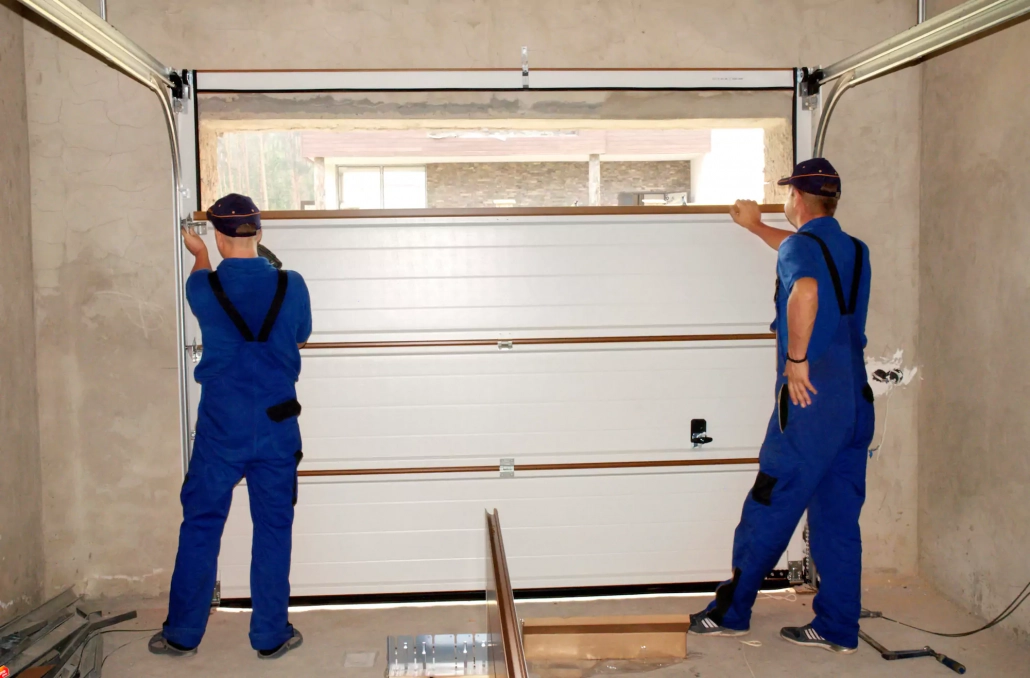
Why Insulate Your Garage Door?
Insulating your garage door has numerous advantages. It helps in maintaining the temperature inside the garage, which can be particularly beneficial if your garage is attached to your home. This can prevent cold air from seeping into your living space during winter and keep it cooler in summer.
Moreover, a well-insulated garage door can reduce noise, making it ideal for homeowners who use their garage as a workspace or a gym. For more insights, you can visit this insulated garage door benefits article.
Choosing the Right Insulation Material
The choice of insulation material is crucial for both energy efficiency and safety. Common materials include polystyrene and polyurethane. Each has its advantages and considerations:
Polystyrene Insulation
Polystyrene is often used in garage door insulation kits due to its affordability and ease of installation. It provides moderate insulation and is lightweight. However, it requires careful handling to avoid cracks and damages.
Polyurethane Insulation
Polyurethane offers superior insulation properties due to its ability to expand and fill gaps. This results in better energy efficiency and soundproofing. It’s more robust than polystyrene, making it a popular choice for premium garage doors.
Understanding Garage Door Safety Features
Modern garage doors come equipped with various safety features designed to prevent accidents. Understanding these features can help you maintain a safe garage environment:
Auto-Reverse Mechanism
This feature automatically reverses the door if it encounters an obstruction while closing. It is vital to regularly test this mechanism to ensure it is functioning correctly.
Photo-Eye Sensors
Photo-eye sensors detect objects in the path of the garage door. If an object is detected, the door will not close. Ensure these sensors are clean and properly aligned to function effectively.
Manual Release Handle
The manual release handle is a safety feature that allows you to open the garage door manually during a power outage. Familiarize yourself with its location and operation for emergencies.
Regular Maintenance and Safety Checks
Regular maintenance is key to ensuring your garage door operates safely. Here are some maintenance tips:
Inspect and Replace Weatherstripping
Weatherstripping helps seal the garage door, preventing drafts and moisture. Check it regularly for wear and replace it if necessary. This not only improves insulation but also prevents damage to the door components.
Lubricate Moving Parts
Lubrication reduces friction in the door’s moving parts, extending their lifespan and ensuring smooth operation. Use a silicone-based lubricant for the best results.
Check and Tighten Hardware
Regularly check the garage door’s hardware, including bolts and brackets, to ensure they are tight and secure. Loose hardware can lead to misalignment and potential safety hazards.
Additional Safety Precautions
Besides ensuring your garage door is properly insulated and maintained, consider these additional safety precautions:
Secure the Garage Door Opener
Ensure that the garage door opener is securely mounted and out of reach of children. This prevents accidental operation and potential injuries.
Install a Garage Door Timer
A garage door timer automatically closes the door after a set period, reducing the risk of leaving it open accidentally. This adds an extra layer of security to your home.
Educate Your Family
Ensure that all family members know how to operate the garage door safely. Teach children not to play with the garage door remote or sensors.
Conclusion
By following these garage door insulation safety tips, you can ensure that your garage door provides the benefits of insulation without compromising safety. Regular maintenance and a proper understanding of your garage door’s safety features are essential steps every homeowner should take.
For more information on how insulated garage doors can impact your home’s value, visit this garage door home value resource.
FAQs
What is the best insulation material for garage doors?
The best insulation material depends on your specific needs. Polystyrene is affordable and easy to install, while polyurethane offers superior insulation and durability.
How often should I perform maintenance on my garage door?
You should perform a basic inspection and maintenance of your garage door at least twice a year. Regular maintenance ensures the door operates safely and efficiently.
Can I install garage door insulation myself?
Yes, many garage door insulation kits are designed for DIY installation. However, if you’re not comfortable doing it yourself, consider hiring a professional.
This article contains affiliate links. We may earn a commission at no extra cost to you.