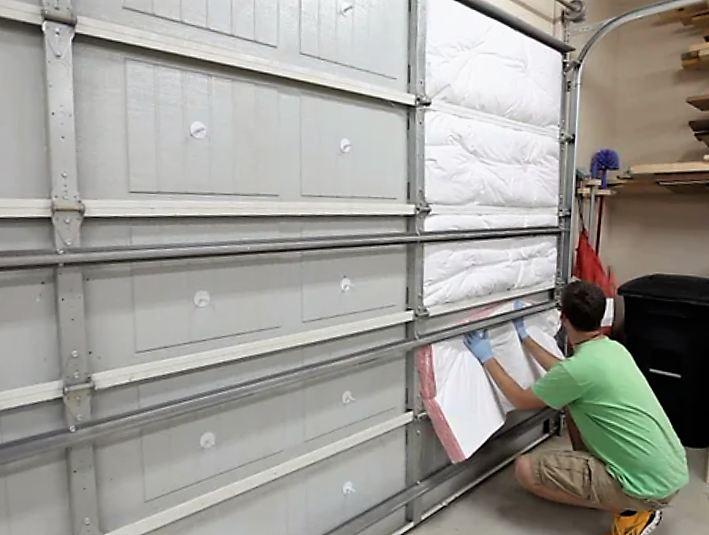
When it comes to maintaining comfort and efficiency in your home, garage door insulation plays a crucial role. The right garage door insulation texture options not only enhance the energy efficiency of your garage but also improve its aesthetic appeal. As a homeowner, understanding these options can help you make informed decisions that benefit your home in the long run.
Choosing the best garage door insulation texture options can seem daunting at first. However, with some guidance, you can find the perfect match for your needs. This article will explore various options, providing valuable insights into their benefits and potential drawbacks.

Why Insulate Your Garage Door?
Insulating your garage door offers several advantages. First and foremost, it helps regulate the temperature inside your garage, making it more comfortable year-round. Additionally, it can reduce energy costs by minimizing heat loss during the winter and keeping the heat out during the summer.
Energy Efficiency
By improving the insulation of your garage door, you can significantly enhance the overall energy efficiency of your home. This leads to lower energy bills and a reduced carbon footprint, positively impacting the environment.
Noise Reduction
Another benefit of garage door insulation is noise reduction. Insulated doors help block exterior noise, creating a quieter and more peaceful environment within your home.
Types of Insulation Materials
There are several types of materials to consider when selecting garage door insulation. Each comes with its own set of texture options, impacting both performance and appearance.
Polystyrene
Polystyrene is a popular choice due to its affordability and ease of installation. It is lightweight and provides decent thermal resistance, making it a practical option for many homeowners.
Polyurethane
Polyurethane offers superior insulation properties compared to polystyrene. It is denser and more durable, but it comes at a higher cost. Its excellent thermal and soundproofing characteristics make it worth the investment for many.
Reflective Foil
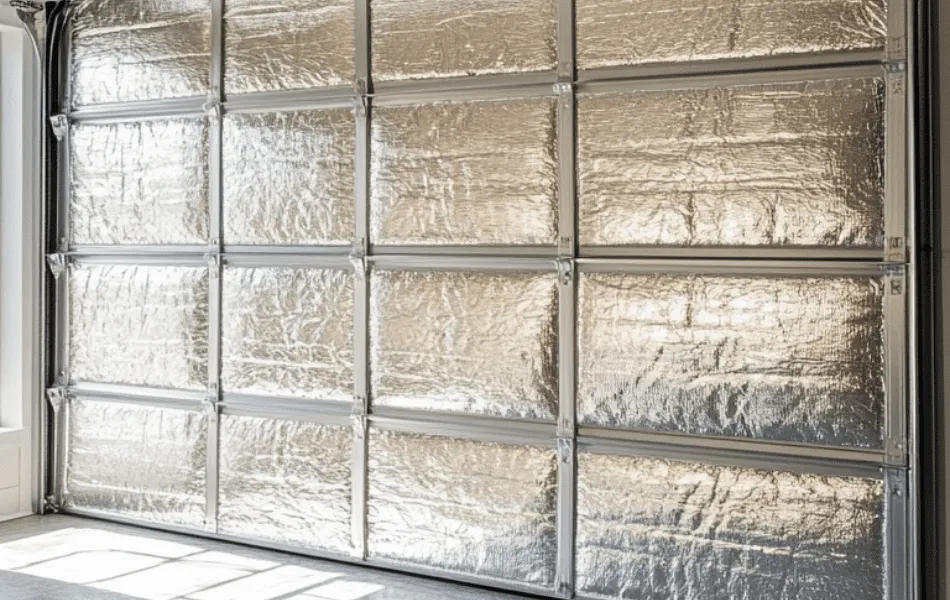
Reflective foil is another option, especially useful in warmer climates. It reflects heat away from the garage, keeping it cooler during hot summer months.
Texture Options for Aesthetic Appeal
The texture of your garage door insulation can also enhance the overall look of your garage. Here are some options to consider:
Embossed Wood Grain
This texture gives your garage door a natural and elegant look, mimicking the appearance of real wood. It adds a touch of sophistication and can enhance the curb appeal of your home.
Stucco
Stucco texture provides a rugged and durable finish, ideal for homes with a modern design. It is resistant to wear and tear, making it a long-lasting choice.
Smooth Finish
A smooth finish is a timeless option that suits both traditional and contemporary home styles. It offers a clean and polished appearance that complements any exterior.
Considerations When Selecting Insulation
When choosing garage door insulation texture options, consider the following factors:
Climate
The climate in your area will significantly influence the type of insulation you need. Colder climates may require thicker insulation, while warmer regions might benefit from reflective materials.
Budget
Your budget is another crucial consideration. While higher-end materials offer better performance, there are budget-friendly options that still provide adequate insulation.
Installation
Consider whether you will be installing the insulation yourself or hiring a professional. Some materials are easier to install than others, impacting your decision.
Benefits of Professional Installation
Opting for professional installation ensures that your garage door insulation is correctly fitted, maximizing its effectiveness. Professional installers have the expertise to handle complex installations and ensure long-lasting results.
Maintaining Your Insulated Garage Door
Regular maintenance of your insulated garage door is essential to prolong its lifespan and maintain its performance. Here are some tips:
Regular Cleaning
Keep the door clean by washing it with mild soap and water. This prevents dirt and grime buildup, which can affect the door’s functionality.
Inspect Seals
Check the seals regularly to ensure they are in good condition. Replace any damaged seals to maintain the insulation’s effectiveness.
Conclusion
Choosing the right garage door insulation texture options can have a significant impact on your home’s energy efficiency and appearance. By considering factors such as climate, budget, and installation preferences, you can find the perfect solution for your needs. For more detailed guidance on insulated garage doors, you can visit Home Depot’s guide on how to insulate garage doors. Additionally, explore the benefits of insulated garage doors on mold prevention and car protection.
FAQ
What is the best insulation material for garage doors?
The best insulation material depends on your specific needs. Polyurethane is often recommended for its superior thermal properties, while polystyrene is a more budget-friendly option.
Can I install garage door insulation myself?
Yes, many insulation materials are designed for DIY installation. However, professional installation can ensure optimal performance and longevity.
How often should I maintain my insulated garage door?
Regular maintenance, including cleaning and inspecting seals, should be conducted every few months to keep your garage door in top condition.
This article contains affiliate links. We may earn a commission at no extra cost to you.