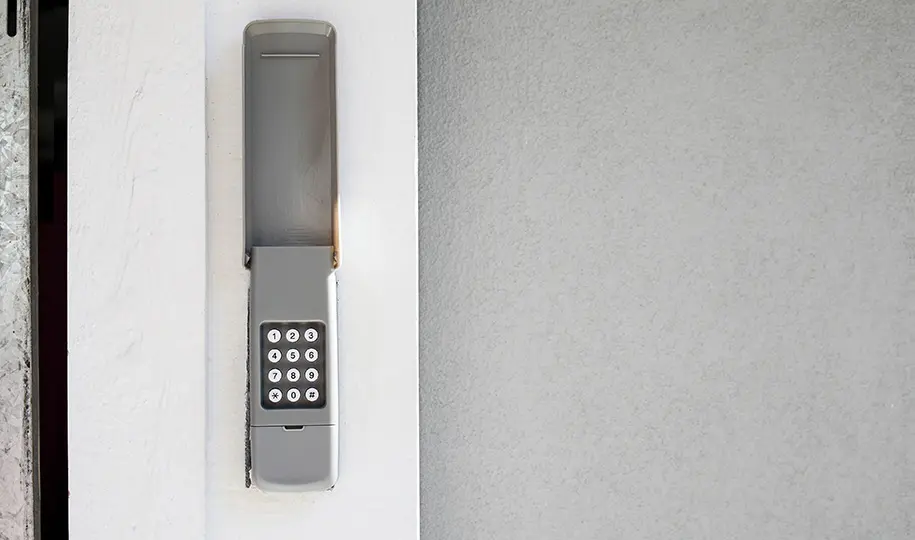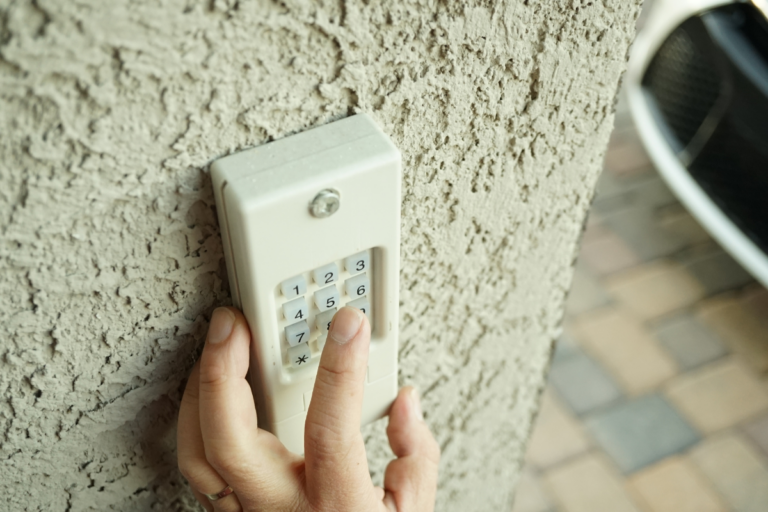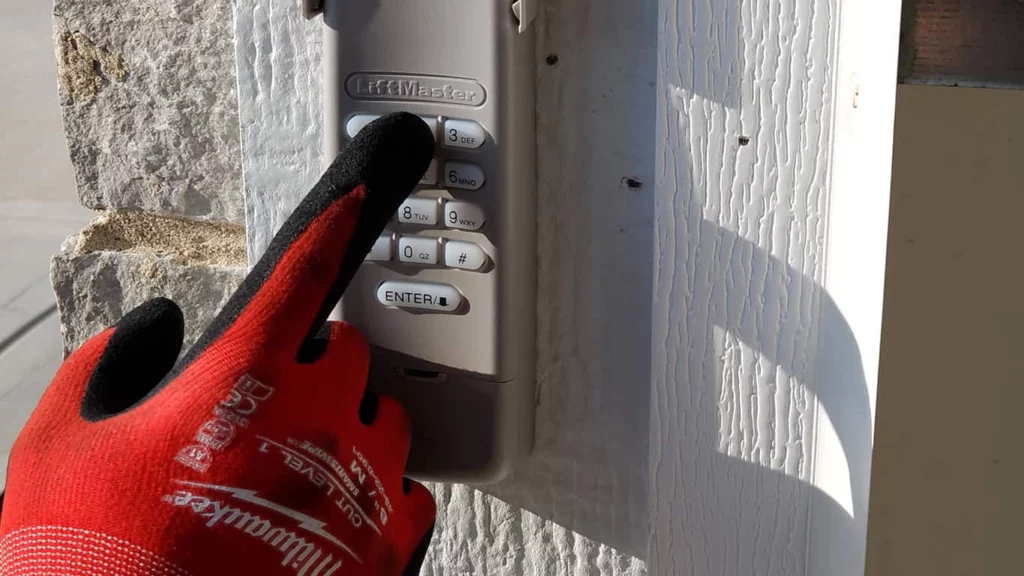
Garage door keypads offer convenient, secure access to your garage without the need for a remote or key. However, when problems arise, especially those related to the internal circuit board, they can disrupt daily routines and compromise security. Understanding the most common garage door keypad circuit board issues can help homeowners troubleshoot problems effectively and decide when professional help is needed.
This article breaks down the typical symptoms, causes, and solutions for circuit board malfunctions in garage door keypads. Whether your keypad is unresponsive, intermittently working, or displaying odd behavior, the information here will help you pinpoint the root cause and take the right steps toward a fix.
If you’re also dealing with compatibility concerns, you may find the garage door keypad opener compatibility guide helpful for understanding which keypads work with your opener model.
Recognizing Symptoms of Circuit Board Malfunctions
The circuit board is the “brain” of your garage door keypad. When it fails, the keypad may display a range of symptoms. Some of the most common signs include:
- Unresponsive keypad: No lights or sounds when pressing buttons.
- Intermittent operation: Sometimes the keypad works, sometimes it doesn’t.
- Erratic behavior: Random beeping, flashing lights, or the keypad activating the door without input.
- Partial functionality: Some buttons work while others don’t, or the keypad only works at certain times of day.
- Failure to program or accept new codes: The keypad won’t enter programming mode or won’t save new PINs.
These symptoms can overlap with other problems such as battery failure or alignment issues, so it’s important to rule out simpler causes before assuming a circuit board defect.
Common Causes of Garage Keypad Circuit Board Problems
Several factors can contribute to circuit board issues in garage door keypads. Understanding these causes can help you prevent future failures and diagnose current problems more accurately.
- Moisture and weather exposure: Outdoor keypads are vulnerable to rain, humidity, and temperature swings. Over time, moisture can corrode the circuit board or cause short circuits.
- Physical damage: Impacts from accidental bumps, falling objects, or vandalism can crack the board or break soldered connections.
- Age and wear: Like any electronic component, circuit boards can degrade with age, especially if exposed to harsh conditions.
- Power surges: Lightning strikes or electrical issues can send a surge through the system, damaging sensitive electronics.
- Poor manufacturing or design flaws: Low-quality keypads may have weak solder joints or inadequate weatherproofing, leading to early failure.

Troubleshooting Steps for Keypad Circuit Board Failures
Before replacing your keypad or calling a technician, try these practical troubleshooting steps to isolate the problem:
- Check the batteries: Weak or dead batteries are the most common cause of keypad failure. Replace them with fresh ones and test the keypad again.
- Inspect for visible damage: Open the keypad housing and look for signs of corrosion, water damage, or burnt components on the board.
- Test the buttons: Press each button individually. If only some work, the issue may be with the keypad membrane or contacts, not the board itself.
- Reprogram the keypad: Follow the manufacturer’s instructions to reset and reprogram the keypad. If it won’t enter programming mode, the circuit board may be at fault.
- Check for interference: Nearby electronics or metal objects can cause garage door keypad RF interference, which may mimic circuit board issues.
- Test with the garage door opener: Try operating the door with a remote or wall button. If those work but the keypad doesn’t, the problem is likely in the keypad itself.
If these steps don’t resolve the issue, the circuit board is likely faulty and may need replacement.
Repair or Replace? Making the Right Choice
Once you’ve determined that the circuit board is at fault, you’ll need to decide whether to repair or replace the keypad. Here are some factors to consider:
- Cost of replacement vs. repair: In most cases, replacing the keypad is more cost-effective than repairing the circuit board, especially for older or basic models.
- Availability of parts: Replacement circuit boards for keypads are often hard to find or nearly as expensive as a new unit.
- DIY skills: Replacing a keypad is usually straightforward, while repairing a circuit board requires soldering and electronics expertise.
- Compatibility: Make sure any new keypad is compatible with your garage door opener. For guidance, see the garage door keypad opener compatibility resource.
If you decide to replace your keypad, look for models with weatherproofing, backlit buttons, and secure encryption. For a reliable option, consider using the Buy Garage Door Opener Keypad button above.
Preventing Future Circuit Board Failures
While some failures are unavoidable, there are steps you can take to extend the life of your garage door keypad and minimize circuit board problems:
- Install in a sheltered location: Mount the keypad where it’s protected from direct rain and sun.
- Seal the housing: Ensure the keypad’s cover closes tightly to keep out moisture and insects.
- Perform regular maintenance: Clean the keypad and check for signs of wear. For more tips, see garage door keypad maintenance tips.
- Replace batteries promptly: Don’t wait for the keypad to stop working—replace batteries on a regular schedule.
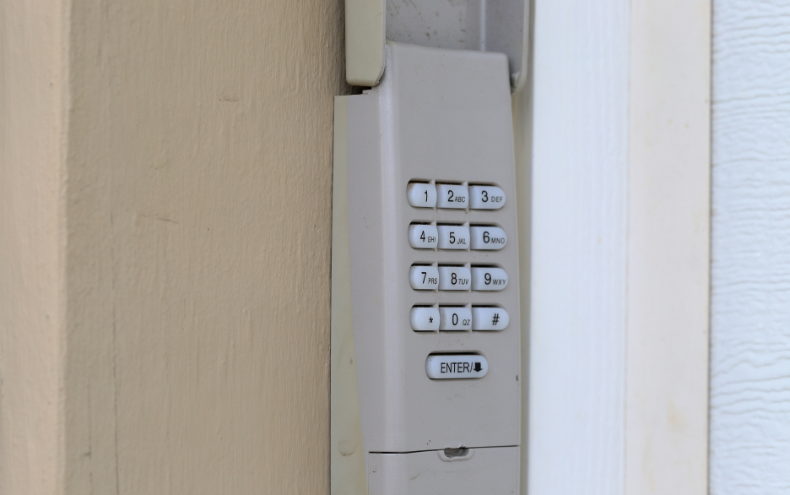
- Address mounting and alignment: Improper mounting can let water in or stress the circuit board. Learn more about garage door keypad mounting problems and how to avoid them.
When to Call a Professional for Circuit Board Issues
While many keypad problems can be addressed with basic troubleshooting, there are situations where professional help is the safest and most effective option. Consider contacting a garage door technician if:
- You suspect water or electrical damage to the keypad’s circuit board.
- The keypad is still under warranty and may qualify for a replacement.
- You are uncomfortable opening the keypad or working with electronics.
- Multiple keypads or remotes are malfunctioning, which could indicate a broader system issue.
For more on the benefits of keypads and how they can improve your garage access, see this overview of garage keypad advantages.
Frequently Asked Questions
What are the most common signs of a faulty garage door keypad circuit board?
Typical symptoms include unresponsive buttons, intermittent operation, random beeping or flashing, and failure to program new codes. If changing batteries and reprogramming do not resolve the issue, the circuit board may be at fault.
Can a garage door keypad circuit board be repaired, or does it need to be replaced?
In most cases, replacing the keypad is more practical than repairing the circuit board. Repairs require specialized skills and parts, while new keypads are often affordable and easy to install.
How can I prevent circuit board problems in my garage door keypad?
Install the keypad in a sheltered location, keep the housing sealed, change batteries regularly, and perform routine maintenance. Avoid exposing the keypad to extreme weather and address mounting or alignment issues promptly.