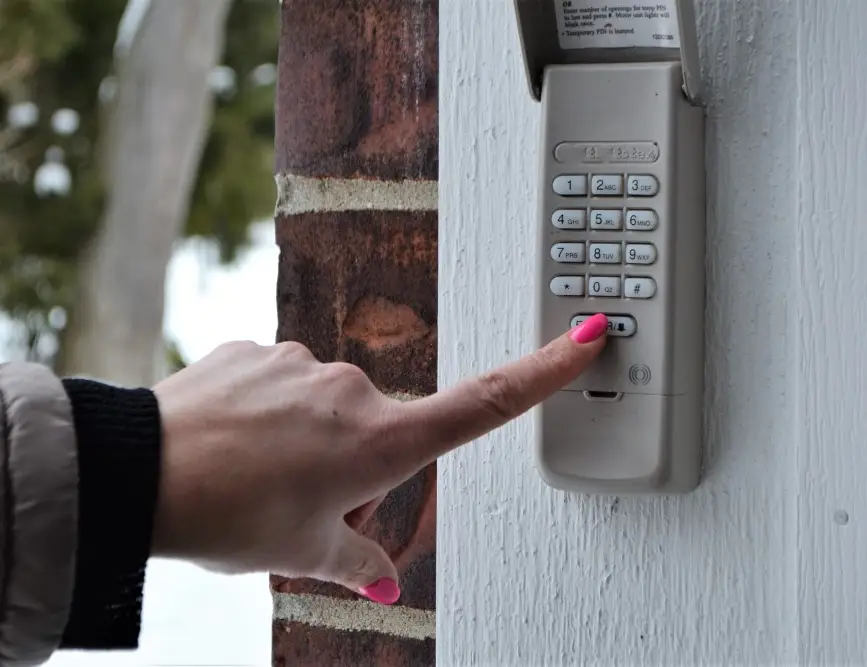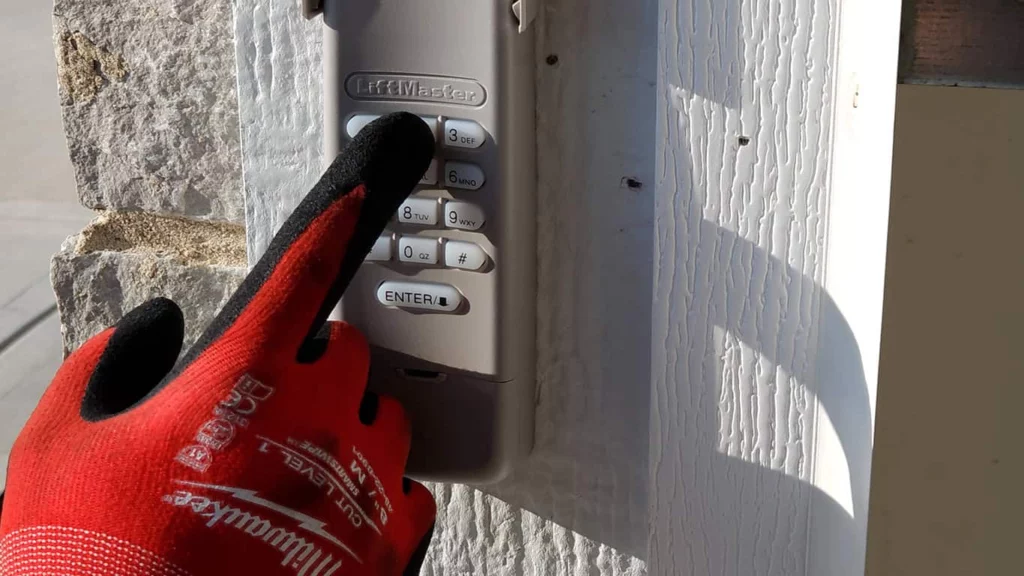
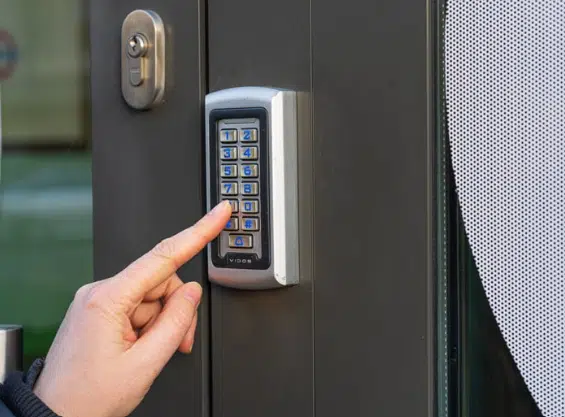
A garage door keypad explained simply refers to a wireless device mounted outside your garage that allows you to open or close the door using a secure PIN code. These keypads have become a common feature for homeowners seeking convenient, keyless access to their garages. Instead of relying on handheld remotes or physical keys, a keypad offers a straightforward way to enter your garage, making daily routines smoother and more secure.
Understanding how these devices work, their advantages, and their practical uses can help you decide if installing one is right for your home. Whether you’re upgrading your garage security or looking for an easier way to let family members in, keypads offer a blend of safety and convenience. If you’re troubleshooting issues like garage door halfway mechanical resistance, adding a keypad can also streamline access during repairs or maintenance.
How Garage Door Keypads Work
At its core, a garage door keypad is a battery-powered device that communicates wirelessly with your garage door opener. When you enter your personal identification number (PIN), the keypad sends a coded signal to the opener, instructing it to open or close the door. Most modern keypads use rolling code technology, which changes the access code each time the keypad is used, greatly enhancing security and reducing the risk of unauthorized entry.
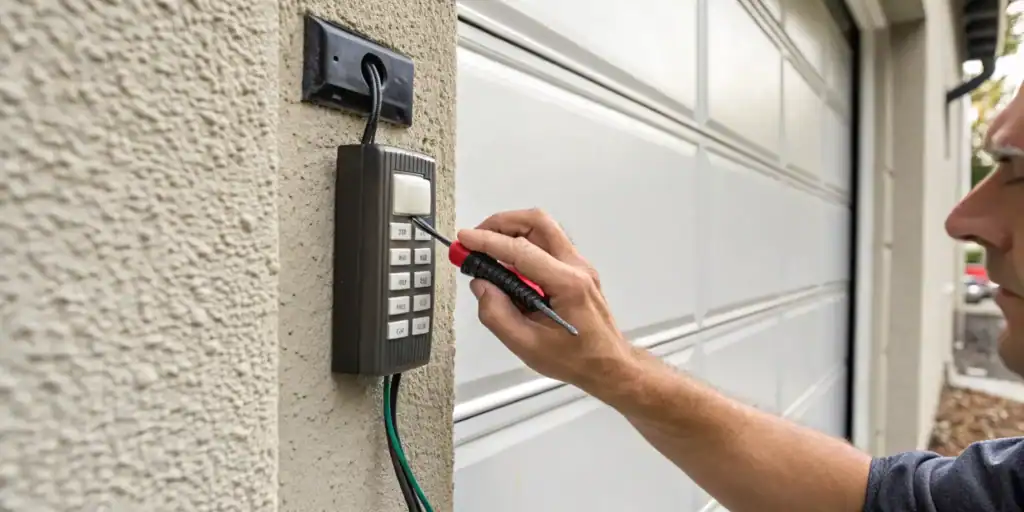
Installation is typically straightforward. The keypad mounts to the exterior frame of your garage, usually near the main door. Programming involves syncing the keypad with your garage door opener, a process that usually takes just a few minutes. For those who want to maximize safety and ease of use, understanding the garage door keypad explained can be a valuable first step.
Key Uses and Everyday Applications
Keypads are designed for more than just opening and closing the garage. Here are some common ways people use them:
- Keyless entry for family members, guests, or service providers without needing to share physical keys or remotes.
- Providing temporary access codes for deliveries or maintenance workers.
- Allowing children to enter the home safely after school without carrying keys.
- Offering a backup entry method if you lose your remote or lock yourself out.
In addition, keypads can be especially helpful during garage repairs or adjustments. For example, if you’re learning how to adjust garage door tracks safely, having a keypad allows you to test door movement from outside, saving trips back and forth.
Benefits of Using a Garage Door Keypad
The advantages of installing a keypad extend beyond convenience. Here are some of the most significant benefits:
- Enhanced security: With rolling code technology and customizable PINs, keypads reduce the risk of unauthorized access.
- Convenience: No need to carry keys or remotes—just remember your code.
- Multiple user access: Easily share or change codes for family, guests, or service providers.
- Weather resistance: Most keypads are designed to withstand outdoor conditions, ensuring reliable performance year-round.
- Easy integration: Compatible with most modern garage door openers, making upgrades simple.
If you’re concerned about recurring issues like garage door halfway maintenance frequency, a keypad can make it easier to perform regular checks and maintenance without needing to carry extra devices.
Types of Garage Door Keypads Explained
Not all keypads are created equal. Here’s a breakdown of the most common types:
- Wireless keypads: The most popular option, these run on batteries and communicate with your opener via radio frequency.
- Wired keypads: Less common, these connect directly to the garage door opener’s control wiring for power and signal.
- Smart keypads: Some newer models integrate with home automation systems, allowing you to manage access codes and monitor usage from your smartphone.
When choosing a keypad, consider compatibility with your existing opener, weather resistance, and whether you want smart features. For more details on compatibility or troubleshooting, you can check out this comprehensive FAQ about garage door keypads.
Installation and Maintenance Tips
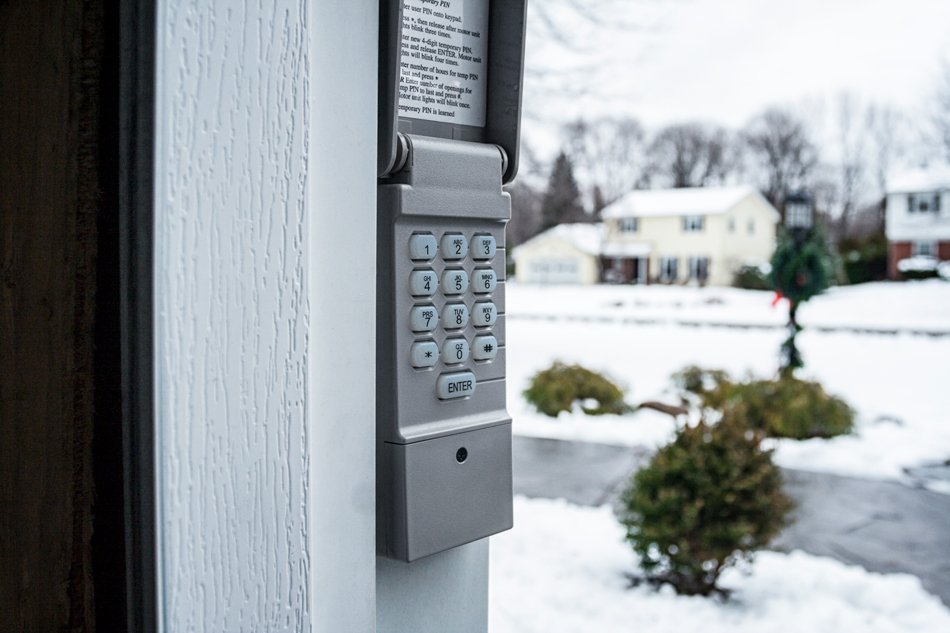
Setting up a garage keypad is usually a do-it-yourself project. Here’s a basic outline:
- Choose a mounting location near the garage door, ideally out of direct sunlight and rain.
- Install the keypad using the provided screws or adhesive strips.
- Follow the manufacturer’s instructions to program the keypad and sync it with your opener.
- Test the keypad to ensure it opens and closes the door as expected.
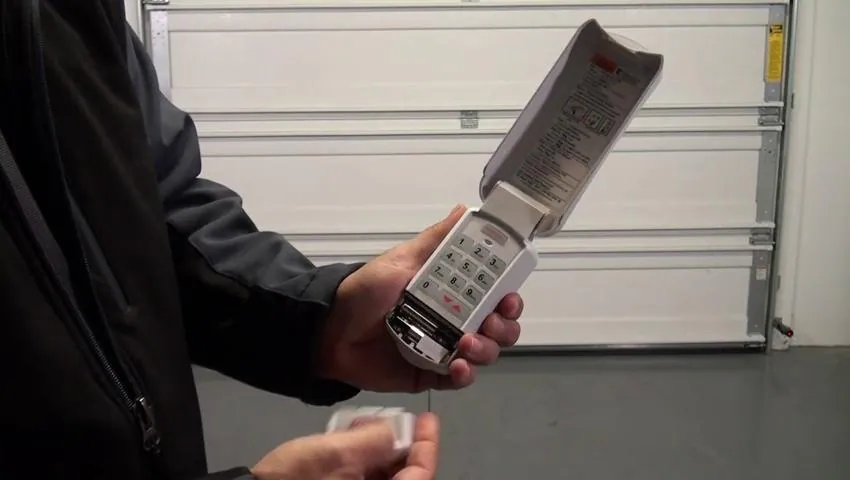
Maintenance is minimal. Replace batteries as needed (usually once a year), keep the keypad clean, and periodically update your PIN for security. If you encounter issues such as the door stopping midway, reviewing garage door halfway repair mistakes to avoid can help ensure smooth operation.
Security Considerations for Keypad Entry
While keypads offer enhanced security, it’s important to follow best practices:
- Choose a PIN that’s not easily guessed (avoid birthdays or repeated numbers).
- Change your code regularly, especially if you’ve shared it with temporary users.
- Opt for models with rolling code technology to prevent code grabbing.
- Ensure the keypad is mounted in a visible but secure location to deter tampering.
For issues related to spring tension or door balance, such as a garage door halfway issue due to tension loss, a keypad can make troubleshooting safer and more efficient by allowing you to operate the door from outside.
Frequently Asked Questions
Can I install a garage door keypad myself?
Yes, most keypads are designed for easy DIY installation. The process usually involves mounting the device, inserting batteries, and syncing it with your opener. Always follow the manufacturer’s instructions for best results.
Are keypads compatible with all garage door openers?
Most modern keypads work with a wide range of openers, especially those from major brands. However, it’s important to check compatibility before purchasing. Some older openers may require a specific model or additional adapter.
How secure are garage door keypads?
Keypads that use rolling code technology and allow for regular PIN changes are very secure. To maximize safety, choose a strong code, update it regularly, and avoid sharing it with people you do not trust.
What should I do if I forget my PIN?
Most keypads have a reset procedure in the user manual. You’ll typically need to reprogram the keypad by following the manufacturer’s steps, which may involve pressing a reset button or syncing with the opener again.
Summary
A garage door keypad explained offers a practical, secure, and convenient way to manage access to your garage. With easy installation, robust security features, and flexible access options, it’s a smart upgrade for any homeowner. Whether you’re looking to simplify daily routines, improve safety, or support garage maintenance, a keypad is a valuable addition to your home’s entry system.