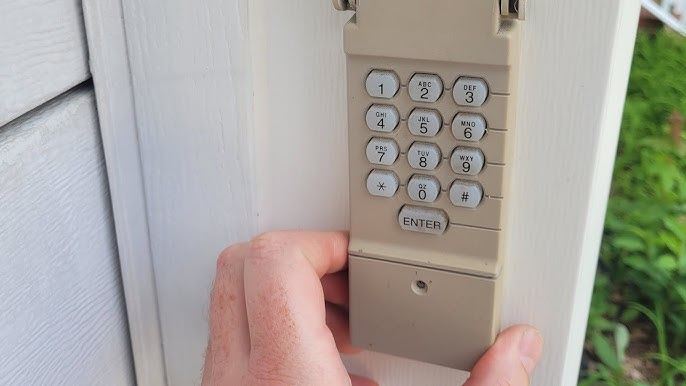
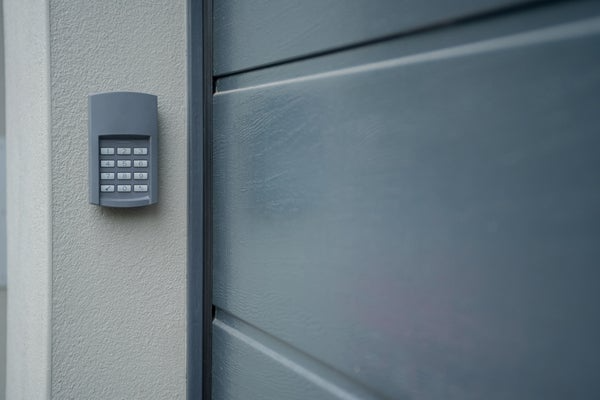
Modern garage door keypads offer convenience and security, but there are times when you may need to bypass the electronic system. Power outages, keypad malfunctions, or forgotten codes can leave you locked out of your garage. Understanding how to use a garage door keypad manual override is essential for homeowners who want to maintain access no matter the situation.
This article provides a comprehensive look at manual override options, why they matter, and how to use them safely. Whether you’re troubleshooting a stubborn keypad or preparing for emergencies, knowing your options will help you stay in control of your garage access.
If you’re experiencing issues beyond manual override, such as power supply or compatibility problems, you may also want to explore topics like garage door keypad voltage requirements for a deeper understanding of your system.
What Is a Garage Door Keypad Manual Override?
A manual override is a backup method that allows you to open or close your garage door when the keypad or opener isn’t working. Most systems include a physical release mechanism, typically a red cord or lever, that disengages the door from the automatic opener. This lets you operate the door manually until the electronic system is restored.
Manual overrides are especially important during power failures, keypad malfunctions, or if you’ve lost access to your code. They provide peace of mind and ensure you’re never completely locked out of your garage.
Common Reasons for Using Manual Override Features
- Power outages: When electricity is down, keypads and openers won’t function.
- Keypad failure: Faulty wiring, dead batteries, or firmware issues can disable the keypad.
- Forgotten codes: If you can’t remember your entry code, the manual release is your backup.
- Mechanical problems: Broken springs or jammed tracks may require manual intervention.
- Emergency access: Quick entry or exit during urgent situations, such as fire or medical emergencies.
How to Use the Manual Release on Your Garage Door
Most garage doors with keypads have a built-in manual release. Here’s a step-by-step guide to using it safely:
- Locate the release cord: Look for a red rope or handle hanging from the garage door opener rail.
- Pull the cord down: This action disengages the door from the opener carriage, allowing manual movement.
- Lift or lower the door: Carefully raise or lower the door by hand. It may be heavy, so use caution.
- Re-engage the opener: Once power is restored or the keypad is fixed, push the door back onto the track and activate the opener to reconnect.
Always ensure the area is clear before operating the door manually to avoid injury or damage.
Types of Manual Override Mechanisms
Not all garage doors use the same manual release system. Here are the most common types you’ll encounter:
- Emergency release cord: The standard red rope found on most residential openers.
- Keyed emergency release: Some doors have a lock cylinder on the exterior. Insert the key, turn, and pull to disengage the opener from outside.
- Mechanical lever: Certain commercial or high-security doors use a lever mechanism instead of a cord.
If you’re unsure which type your system uses, consult your owner’s manual or manufacturer’s website. For more advanced troubleshooting, you may want to read about garage door keypad firmware issues to identify electronic causes before resorting to manual override.
Safety Tips When Using Manual Override
- Disconnect power: If possible, unplug the opener before using the manual release to prevent accidental activation.
- Watch your fingers: Keep hands and fingers away from door joints and tracks.
- Secure the door: Once open, prop the door or use the locking mechanism to prevent it from falling.
- Do not force: If the door is jammed or unusually heavy, stop and inspect for broken springs or obstructions.
- Children and pets: Keep them clear of the area during manual operation.
When to Call a Professional for Help
While most homeowners can use the manual release safely, there are situations where professional assistance is recommended:
- The door is extremely heavy or won’t move after disengaging the opener.
- You notice broken springs, cables, or other mechanical damage.
- The manual override mechanism itself is stuck or damaged.
- You’re unsure how to safely re-engage the opener after manual use.
Attempting repairs on high-tension components can be dangerous. If in doubt, contact a qualified garage door technician.
Additional Features and Upgrades for Secure Access
Some modern systems offer enhanced manual override features, such as exterior lock cylinders or smart integration. For those interested in upgrading, consider reading about garage door keypad integration with smart garage systems for added convenience and security.
If you’re shopping for a new keypad or opener, look for models that include robust manual release options. For more information on choosing the right opener, see this comprehensive guide to buying a garage door opener.
Frequently Asked Questions
Can I use the manual override from outside the garage?
Some garage doors have an exterior key release that allows manual override from outside. If your system includes this feature, you’ll need the correct key to unlock and disengage the opener. Otherwise, standard manual releases are typically only accessible from inside the garage.
Will using the manual release damage my garage door?
No, using the manual release as intended will not harm your door. However, forcing the door or operating it with broken springs or cables can cause damage. Always use gentle, steady pressure and inspect for issues before manual operation.
How do I reset my keypad after using the manual override?
After re-engaging the opener, you may need to reset your keypad by entering your code or following the manufacturer’s instructions. If problems persist, check for battery issues or consider reviewing garage door keypad and smart opener issues for troubleshooting tips.
What should I do if the manual override doesn’t work?
If pulling the release cord or using the key mechanism doesn’t disengage the opener, stop and inspect for mechanical problems. Broken springs, jammed tracks, or damaged cables may require professional repair. Avoid forcing the door, as this can worsen the issue.
Are there emergency options if I’m locked out and can’t access the manual release?
Some systems offer emergency access kits or exterior lock cylinders. For more details on emergency solutions, see garage door keypad emergency access options.