A secure, reliable garage door keypad is essential for convenient access and home security. However, many homeowners encounter garage door keypad mounting problems that can lead to frustration, unreliable operation, or even security risks. Understanding the most common installation challenges, their causes, and practical solutions can help you avoid costly mistakes and ensure your keypad works flawlessly for years.
Whether you’re installing a new unit or troubleshooting an existing one, this guide covers the typical mounting issues, how to resolve them, and tips for a smooth setup. For a deeper dive into keypad basics, you may also find garage door keypad explained helpful as a foundational resource.
Common Issues When Mounting Garage Door Keypads
Mounting a garage door keypad may seem straightforward, but several factors can complicate the process. Here are the most frequent challenges homeowners face:
- Improper surface selection leading to loose or unstable mounting
- Incorrect height placement making the keypad difficult to reach or vulnerable to weather
- Mounting hardware incompatibility with the wall material
- Signal interference due to poor positioning
- Weather exposure causing premature keypad failure
Each of these problems can affect both the usability and lifespan of your keypad. Let’s look closer at why these issues arise and how to address them.
Surface and Location Mistakes
One of the most overlooked aspects of keypad installation is choosing the right surface and location. Mounting your device on an uneven or unstable wall can cause it to wobble, loosen, or even fall off over time. Surfaces like stucco, brick, or rough wood require special anchors or screws to ensure a secure fit.
Additionally, placing the keypad too close to the ground can expose it to rain splash, snow, or mud, while mounting it too high may make it difficult for all family members to reach. Experts recommend positioning the keypad about five feet above ground level, sheltered from direct weather but still easily accessible.
For a detailed look at how these devices function and why mounting matters, see how garage door keypads work.
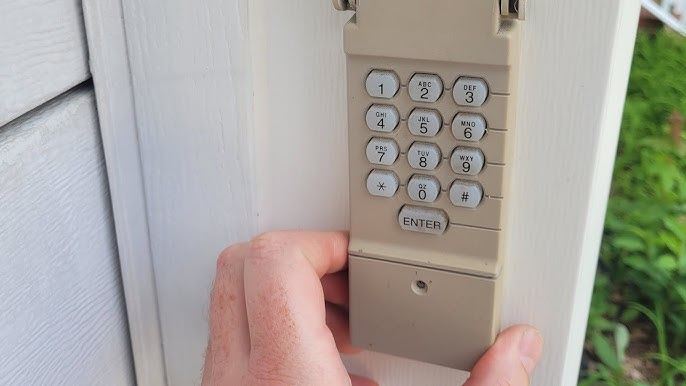
Hardware and Compatibility Concerns
Not all mounting kits are created equal. Some keypads come with basic screws that may not work well with masonry, metal, or certain types of siding. Using the wrong hardware can result in a keypad that feels loose or eventually detaches. Always check your wall type and use anchors or masonry screws if necessary.
If you’re replacing an old unit, ensure the new keypad’s mounting holes align with the previous installation. Otherwise, you may need to drill new holes or use an adapter plate. For more troubleshooting tips, refer to garage door keypad not responding to rule out electrical or programming issues that may appear as mounting problems.
Weatherproofing and Environmental Factors
Exposure to rain, snow, and direct sunlight can quickly degrade a garage keypad. Even if the device is rated for outdoor use, mounting it without adequate protection can lead to water ingress, corrosion, or faded buttons. To minimize these risks:
- Install the keypad under an eave or awning whenever possible
- Use a weatherproof gasket or sealant around the mounting area
- Check the manufacturer’s guidelines for recommended installation environments
Regularly inspect the keypad for signs of water damage or loose mounting, especially after storms or extreme weather.
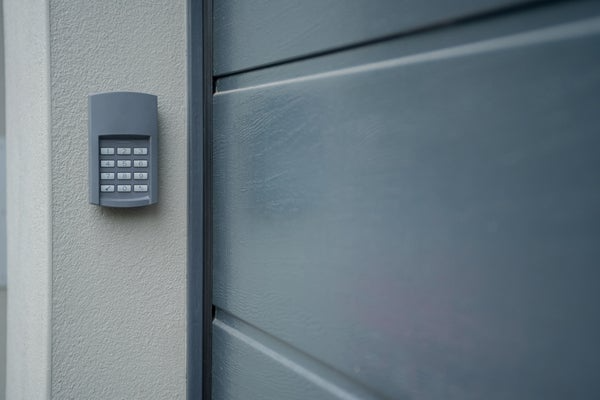
Signal Interference and Range Limitations
Another frequent source of trouble is signal interference. If the keypad is mounted on a metal surface or near electrical panels, it may struggle to communicate with the garage door opener. This can result in delayed or failed operation. To avoid these issues:
- Mount the keypad on a non-metallic surface whenever possible
- Keep the device at least a few feet away from large metal objects or electrical boxes
- Test the keypad’s range before finalizing the installation
If you experience persistent issues, consult the opener’s manual or a professional installer for guidance.
Installation Tips for Reliable Performance
To ensure a smooth setup and long-lasting performance, keep these best practices in mind:
- Read the manufacturer’s instructions thoroughly before starting.
- Gather the appropriate tools and mounting hardware for your wall type.
- Mark the mounting location at a comfortable height and sheltered spot.
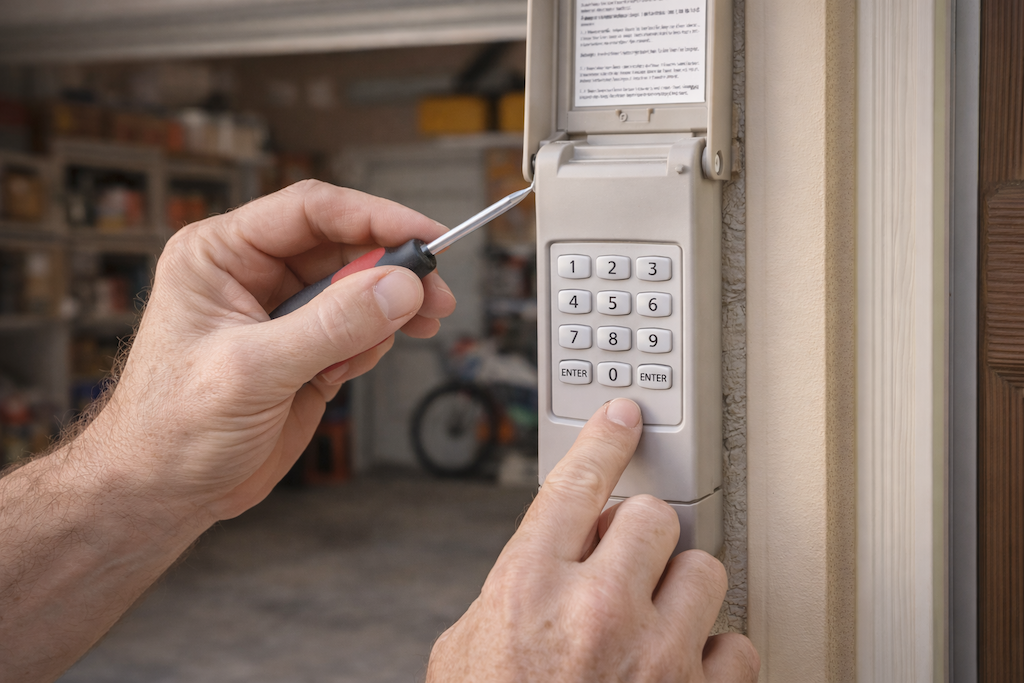
- Drill pilot holes if needed to prevent wall damage.
- Secure the keypad firmly, but avoid overtightening screws that could crack the housing.
- Test the keypad operation before finalizing installation.
If you’re unsure about any step, consider seeking help from a professional or referencing garage door keypad repair explained for troubleshooting and repair advice.
When to Replace or Upgrade Your Keypad
Sometimes, persistent mounting or operational issues signal that it’s time for a new keypad. If your device is several years old, has visible damage, or fails to respond even after troubleshooting, replacement may be the best option. Modern keypads offer improved weather resistance, security features, and easier installation.
For guidance on selecting a compatible model, see this comprehensive guide to buying a garage door opener.
Frequently Asked Questions
What is the ideal height for mounting a garage door keypad?
The recommended height is about five feet above ground level. This ensures the keypad is accessible for most users while protecting it from splashing water or snow accumulation.
Can I install a keypad on a metal or brick wall?
Yes, but you’ll need the correct mounting hardware. Use masonry anchors for brick or concrete, and specialized screws for metal surfaces. Avoid mounting directly on large metal panels to reduce signal interference.
Why does my keypad stop working after heavy rain?
Water ingress is a common cause of keypad failure. Ensure your device is weatherproof, mounted under shelter, and sealed around the edges. If problems persist, inspect for internal moisture or corrosion and consider replacing the unit.
How do I know if my mounting problem is causing keypad malfunctions?
If your keypad feels loose, wobbles, or shifts when pressed, poor mounting may be to blame. This can lead to electrical disconnections or water ingress. Secure the device firmly and check for proper alignment and sealing.
Where can I learn more about keypad features and troubleshooting?
For a detailed overview of keypad operation and common issues, visit what is a garage door keypad for additional insights.