A well-maintained garage door keypad is essential for reliable, secure, and convenient access to your garage. Over time, exposure to the elements, dust, and regular use can cause keypads to malfunction or become less responsive. By following a regular garage door keypad preventative maintenance routine, you can extend the lifespan of your device, avoid unexpected lockouts, and ensure smooth operation year-round.
This article covers step-by-step maintenance strategies, troubleshooting tips, and answers to common questions. For those interested in optimizing compatibility between their opener and keypad, you can find detailed information in our garage door keypad opener compatibility guide.
Why Regular Keypad Care Matters
Proactive attention to your garage entry system helps prevent common issues such as sticky keys, unresponsive buttons, and battery failures. A neglected keypad can lead to security risks and inconvenient breakdowns. By integrating preventative maintenance for garage door keypads into your seasonal home checklist, you reduce the risk of costly repairs and improve daily convenience.
Essential Steps for Garage Door Keypad Preventative Maintenance
Consistent upkeep doesn’t require advanced technical skills. Most homeowners can handle these tasks with basic tools and a few minutes each month. Here’s how to keep your keypad in top shape:
-
Inspect the Keypad Exterior
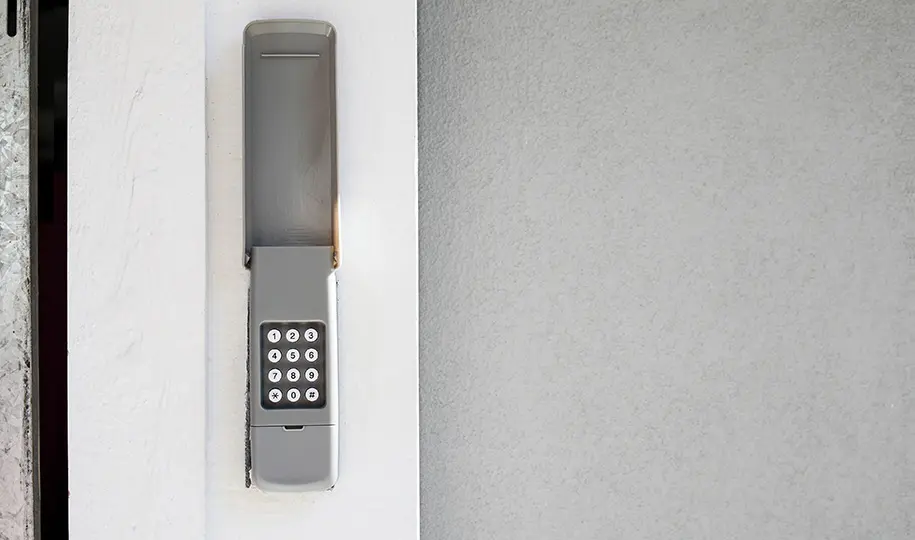
Check for visible damage, cracks, or signs of water intrusion. Make sure the cover closes securely to protect internal electronics from moisture and dust. -
Clean the Keypad Surface
Use a soft, damp cloth to wipe away dirt, cobwebs, and debris. Avoid harsh chemicals that could degrade plastic or rubber components. -
Test Button Responsiveness
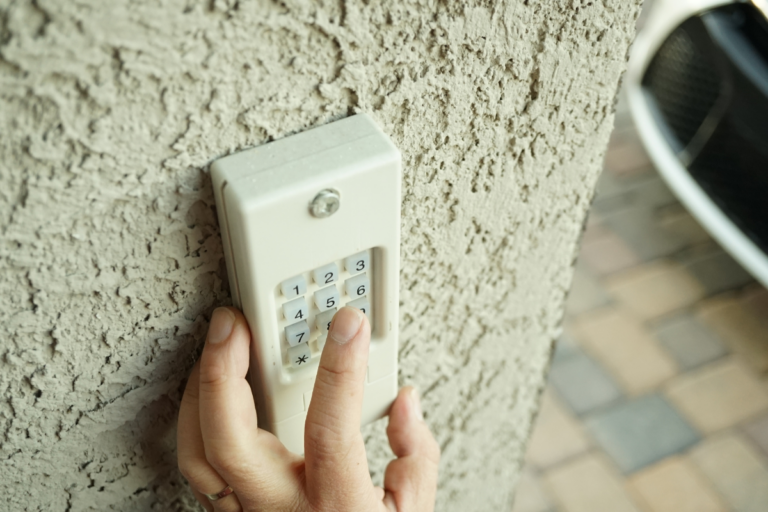
Press each button to ensure it registers input. If buttons stick or fail to respond, gently clean around them with a cotton swab. -
Replace Batteries Regularly
Most wireless keypads use standard AA or 9V batteries. Replace them at least once a year, or sooner if you notice lag or intermittent operation. -
Check Mounting and Alignment
Ensure the keypad is securely mounted and properly aligned. Misalignment can cause communication issues. For more on this, see our resource on garage door keypad alignment issues. -
Review Programming and Codes
Periodically update your access code for security. Follow the manufacturer’s instructions for reprogramming, and test the new code to confirm it works. -
Inspect for Interference
Nearby electronics or metal objects can disrupt wireless signals. If you experience erratic performance, our article on garage door keypad RF interference explains how to diagnose and resolve these problems.
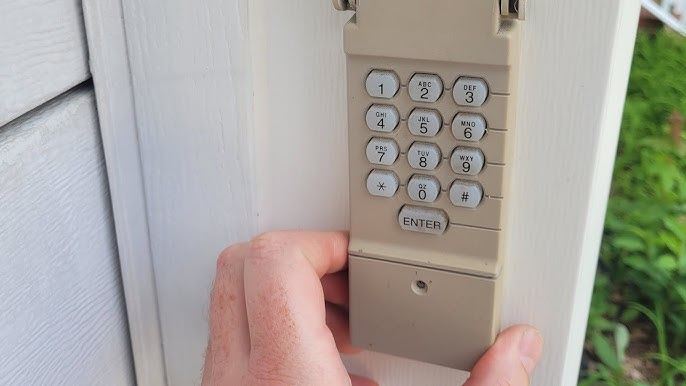
Common Issues Prevented by Routine Keypad Maintenance
Regular attention to your entry system can help you avoid many frustrating problems. Here are some of the most frequent issues that a proactive approach can prevent:
- Unresponsive Keypad: Dirt buildup or worn batteries often cause keypads to stop working. Simple cleaning and timely battery changes keep the device responsive.
- Stuck or Hard-to-Press Buttons: Debris or moisture can make buttons sticky. Keeping the unit clean and dry ensures smooth operation.
- Intermittent Operation: Weak batteries, poor mounting, or interference can lead to unreliable performance. Addressing these factors as part of your garage door keypad preventative maintenance routine helps maintain consistent access.
- Security Risks: Failing to update codes or check for tampering can expose your home to unauthorized entry. Regular reviews of your keypad’s security settings reduce this risk.
Advanced Tips for Extending Keypad Lifespan
Beyond basic care, a few extra steps can further increase the durability and reliability of your keypad:
- Weatherproofing: If your keypad is exposed to rain or direct sunlight, consider installing a weather shield or relocating it to a more protected spot.
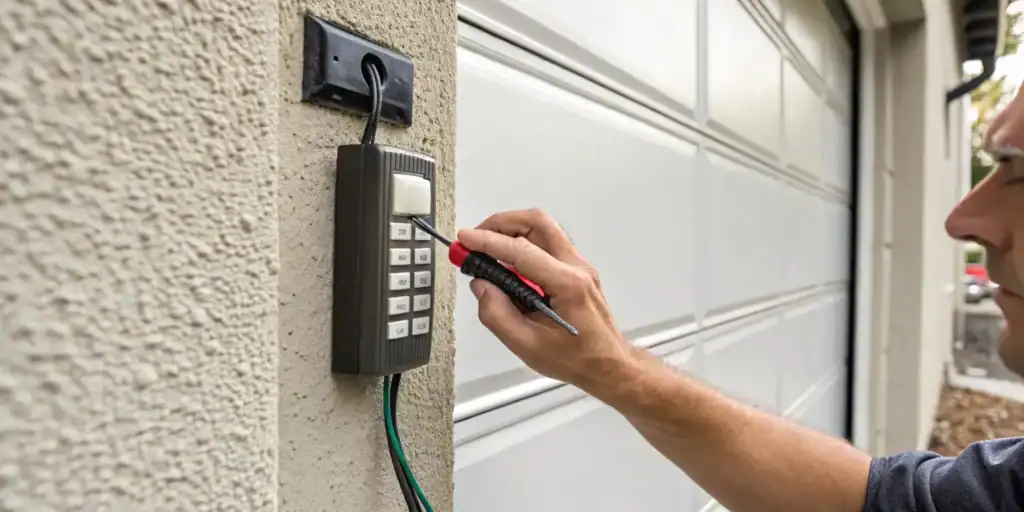
- Inspect Wiring (for Wired Models): Occasionally check for frayed wires or loose connections. Secure any exposed wiring to prevent accidental damage.
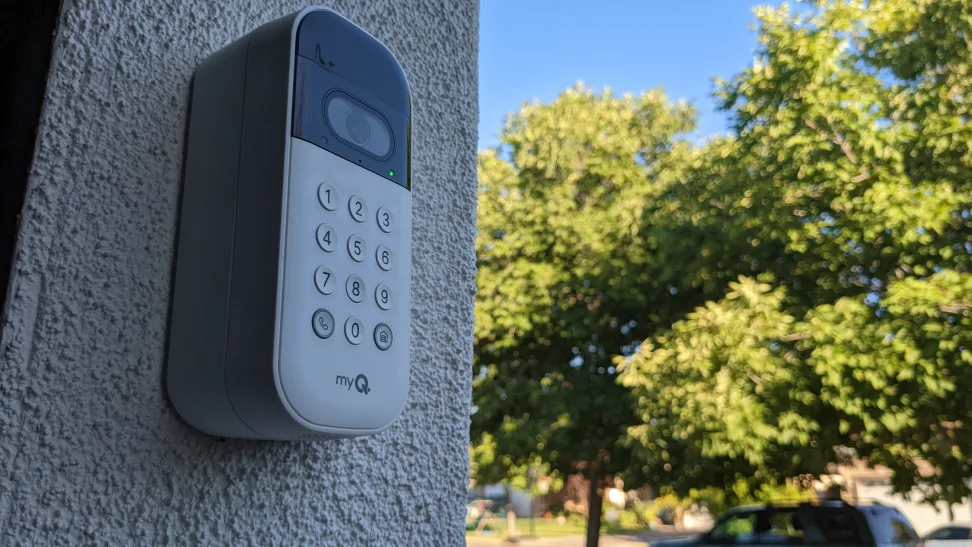
- Firmware Updates: Some modern keypads allow for software updates. Refer to your manufacturer’s instructions to ensure your device is running the latest version.
- Professional Servicing: If you encounter persistent issues, a professional technician can diagnose and resolve complex problems. For more in-depth advice, our garage door keypad maintenance tips article covers expert strategies.

Troubleshooting: When Maintenance Isn’t Enough
If your keypad continues to malfunction after following these steps, further troubleshooting may be required. Issues such as persistent non-responsiveness, error codes, or connectivity problems could indicate a deeper fault. For a comprehensive breakdown of possible causes and solutions, consult this expert guide to fixing garage door keypads that aren’t working.
In some cases, replacing the keypad may be the most cost-effective solution, especially if the unit is outdated or has suffered water damage.
Frequently Asked Questions
How often should I perform maintenance on my garage door keypad?
It’s best to inspect and clean your keypad every 2–3 months, with battery replacement at least once a year. If your keypad is exposed to harsh weather, consider more frequent checks.
What should I do if my keypad stops working after a battery change?
Double-check that the batteries are installed correctly and that the contacts are clean. If the problem persists, try reprogramming the keypad according to the manufacturer’s instructions.
Can I use any type of battery in my garage keypad?
Always use the battery type specified by the manufacturer. Using the wrong type can cause malfunctions or reduce the lifespan of your device.
How do I know if interference is affecting my keypad?
Symptoms of interference include delayed response, intermittent operation, or the keypad failing to communicate with the opener. Moving electronic devices or metal objects away from the keypad and opener can help resolve these issues.
Conclusion
Consistent garage door keypad preventative maintenance is a simple yet effective way to ensure reliable access, enhance security, and avoid unexpected repairs. By following the steps outlined above and staying alert to signs of trouble, you can keep your entry system functioning smoothly for years to come.