Garage door keypads are a convenient way to access your garage without needing a remote or physical key. However, like any electronic device, they can develop problems over time. One of the most frustrating and potentially damaging problems is a short circuit. Understanding the causes, symptoms, and solutions for garage door keypad short circuit issues can help you maintain your system and avoid unnecessary repairs or replacements.
In this article, you’ll learn how to recognize electrical faults in your keypad, what typically causes these malfunctions, and practical steps to diagnose and resolve them. We’ll also cover related topics such as power supply concerns, keypad maintenance, and when to seek professional help. For those interested in additional troubleshooting tips, you may also want to explore garage door keypad power issues for a broader understanding of electrical problems.
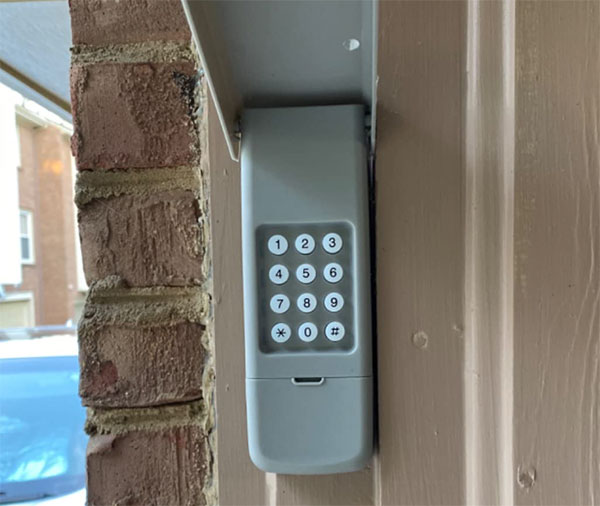
Understanding Electrical Faults in Garage Door Keypads
A short circuit occurs when an unintended path allows electrical current to flow outside the normal circuit, often causing damage to components or even posing a fire risk. In the context of a garage door keypad, this can result from worn wires, moisture intrusion, or faulty internal components. Recognizing the signs of electrical faults early can prevent more serious issues and extend the life of your keypad.
Common symptoms of a short circuit in your keypad include:
- Keypad not responding or only working intermittently
- Visible sparks or burning smell near the keypad
- Tripped circuit breakers or blown fuses in your garage
- Unusual heat coming from the keypad unit
If you notice any of these warning signs, it’s important to stop using the keypad and begin troubleshooting to avoid further damage.
Common Causes of Short Circuits in Garage Door Keypads
Several factors can contribute to garage door keypad short circuit issues. Understanding these causes can help you prevent future problems and maintain safe operation.
- Moisture Intrusion: Exposure to rain, humidity, or condensation can cause water to seep into the keypad housing, leading to corrosion and electrical shorts.
- Damaged Wiring: Over time, wires can become frayed, pinched, or chewed by rodents, creating a direct path for current to bypass the intended circuit.
- Improper Installation: Incorrectly installed keypads or loose connections can result in exposed wires and increased risk of electrical faults.
- Component Failure: Internal circuit boards and switches may degrade with age, leading to internal shorts or erratic behavior.
- Power Surges: Lightning strikes or electrical surges can overwhelm the keypad’s circuitry, causing immediate or delayed short circuits.
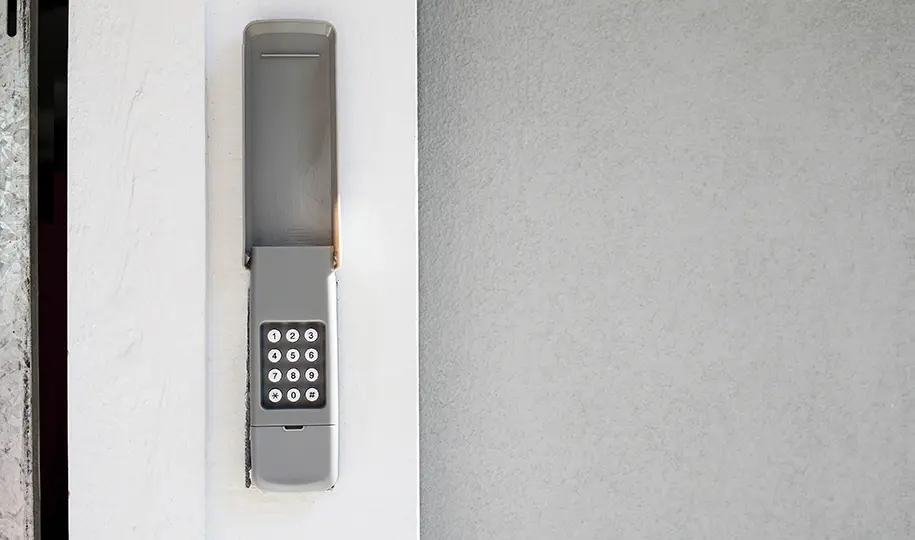
How to Diagnose and Troubleshoot Keypad Electrical Problems
When your keypad stops working or shows signs of a short, a systematic approach can help you identify the root cause. Here are some steps to follow:
- Power Off: Always disconnect the power supply before inspecting the keypad to avoid electric shock.
- Visual Inspection: Open the keypad housing and look for signs of moisture, corrosion, or burnt components.
- Check Wiring: Examine all wires for fraying, exposed copper, or loose connections. Replace or repair any damaged sections.
- Test the Circuit: Use a multimeter to check for continuity and to identify any shorted paths between wires or circuit board traces.
- Dry and Clean: If moisture is present, allow the keypad to dry completely and clean any corrosion with a contact cleaner.
- Replace Components: If internal switches or circuit boards are damaged, replacement is often more cost-effective than repair.
For more in-depth troubleshooting, you might also find it helpful to review advice on garage door keypad contact corrosion, as corrosion is a frequent contributor to electrical faults.
Preventing Future Electrical Issues in Garage Keypads
Taking preventive measures can significantly reduce the likelihood of electrical problems in your keypad. Here are some practical tips:
- Install a weatherproof cover to shield the keypad from rain and humidity.
- Regularly inspect and clean the keypad, especially after storms or extreme weather.
- Ensure all wiring is secured and protected from rodents or accidental damage.
- Use surge protectors to guard against power spikes.
- Replace batteries promptly and use only recommended types.
If your keypad display is not lighting up, you may want to consult garage door keypad display not lighting up for additional troubleshooting steps.
When to Replace or Upgrade Your Garage Door Keypad
Sometimes, even after thorough troubleshooting, a keypad may remain unreliable or unsafe. If you notice persistent malfunctions, visible damage, or repeated short circuits, replacement is the safest option. Modern keypads offer improved weather resistance, better security features, and easier installation.
For those considering a new system, you can find helpful guidance in resources like this detailed overview of garage door keypad options. Upgrading can also provide peace of mind and more reliable access to your garage.
If you ever find yourself locked out due to keypad failure, review garage door keypad emergency access options for advice on regaining entry safely.
Frequently Asked Questions
What are the most common signs of a short circuit in a garage door keypad?
Typical indicators include the keypad not responding, intermittent operation, a burning smell, visible sparks, or the keypad feeling unusually hot. Tripped breakers or blown fuses in your garage circuit may also signal an electrical fault.
Can I repair a shorted garage door keypad myself?
Basic troubleshooting like checking for moisture, inspecting wires, and replacing batteries can be done by most homeowners. However, if you find significant corrosion, burnt components, or are unsure about electrical safety, it’s best to consult a professional.
How can I prevent short circuits in my garage keypad?
Preventive steps include installing a weatherproof cover, keeping the keypad clean and dry, securing all wiring, and using surge protection. Regular inspections after storms or power outages can also help catch problems early.
Is it necessary to replace the entire keypad if there’s a short circuit?
Not always. If the issue is limited to wiring or moisture, repairs may be possible. However, if the internal circuit board is damaged or the keypad is old, replacement is usually the most reliable solution.