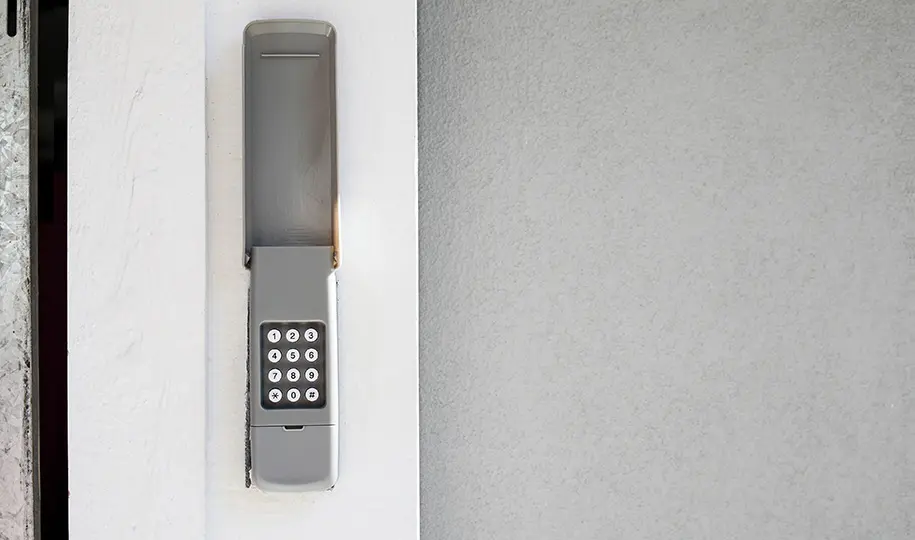
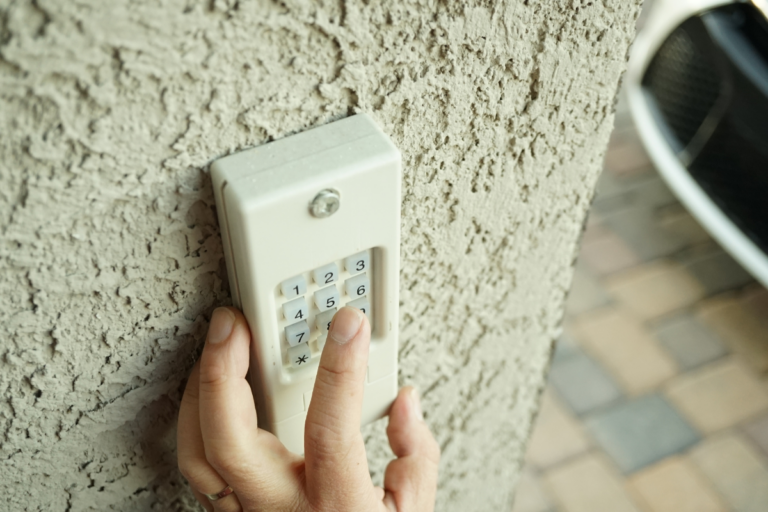
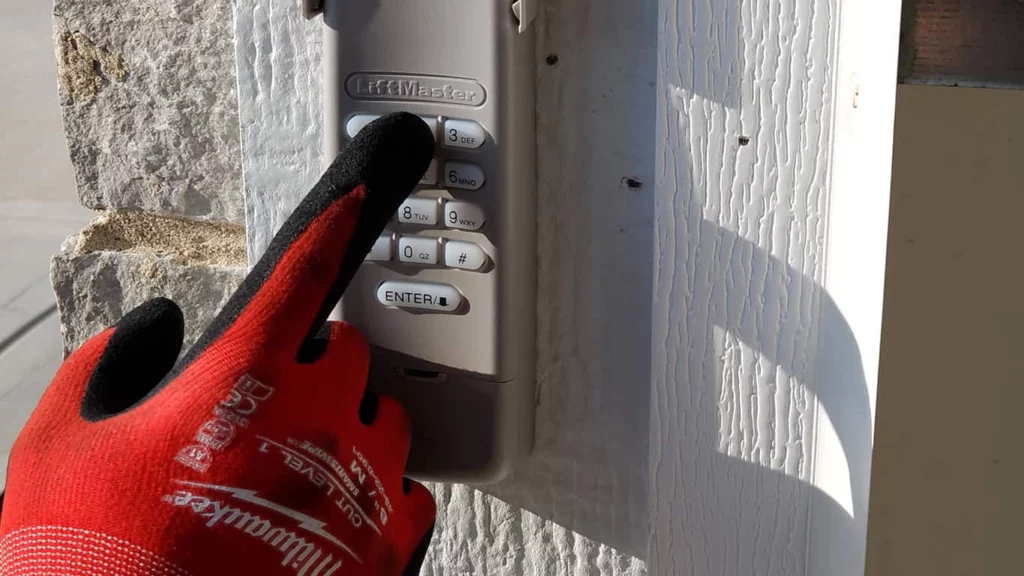
A non-responsive garage door keypad can be frustrating, especially when you rely on it for daily access. Whether your keypad is unresponsive, intermittently working, or displaying error codes, a systematic approach can help you pinpoint and resolve the issue efficiently. This garage door keypad troubleshooting checklist is designed to guide homeowners and DIYers through the most common problems and solutions, so you can restore your keypad’s functionality quickly and safely.
Before diving into the detailed steps, it’s important to note that some keypad issues may be related to compatibility, alignment, or mounting. For a deeper understanding of these factors, you may want to review this garage door keypad opener compatibility guide, which covers how different models interact with various openers.

Common Reasons for Keypad Malfunctions
Several factors can cause a garage door keypad to stop working. Understanding these root causes is the first step in effective troubleshooting. Here are the most frequent culprits:
- Dead or weak batteries – The most common issue, often overlooked.
- Worn-out keypad buttons – Frequent use can wear down the contacts.
- Electrical interference – Devices nearby may disrupt the signal.
- Incorrect programming – Keypad may lose its code or require reprogramming.
- Environmental factors – Moisture, dirt, or extreme temperatures can affect performance.
- Physical damage – Cracked casings or loose wiring may be the cause.
If your keypad is mounted incorrectly or misaligned, it may also fail to communicate with your garage door opener. For more details on these issues, see this explanation of garage door keypad alignment issues.
Step-by-Step Garage Door Keypad Troubleshooting
Use this structured checklist to systematically diagnose and fix keypad problems. Each step addresses a specific aspect of the keypad’s operation.
1. Check and Replace the Batteries
Start by opening the keypad’s battery compartment. Replace the batteries with fresh ones, ensuring correct polarity. Weak or dead batteries are responsible for many keypad failures.
2. Inspect for Physical Damage
Examine the keypad for cracks, water ingress, or loose buttons. If the casing is damaged or buttons are stuck, the unit may need repair or replacement.
3. Clean the Keypad Surface
Dirt, dust, and moisture can interfere with the keypad’s contacts. Gently clean the surface and buttons with a dry cloth. Avoid using water or harsh chemicals.

4. Reprogram the Keypad
If the keypad is still unresponsive, it may have lost its programming. Refer to your manufacturer’s instructions to reset and reprogram the access code. Most keypads have a “learn” button on the garage door opener unit that must be pressed before entering the new code on the keypad.
5. Test for Signal Interference
Nearby wireless devices, LED lights, or even certain home appliances can interfere with the keypad’s signal. Try turning off potential sources of interference and test the keypad again. For more on this, review the article on garage door keypad RF interference.
6. Examine Mounting and Alignment
Improper mounting or misalignment can cause communication failures. Make sure the keypad is securely attached and positioned according to the manufacturer’s guidelines. For mounting-specific concerns, see this resource on garage door keypad mounting problems.
7. Inspect the Garage Door Opener
Sometimes, the issue lies with the opener itself. Check if the opener responds to other controls, such as remote transmitters or wall buttons. If none work, the problem may be with the opener, not the keypad.
Advanced Troubleshooting Tips
If basic steps do not resolve the issue, consider these additional checks:
- Reset the opener – Power cycle the garage door opener by unplugging it for 30 seconds, then plugging it back in.
- Check for firmware updates – Some modern openers allow for software updates that may resolve compatibility issues.
- Test keypad at different distances – Move closer or further from the opener to see if signal strength is a factor.
- Consult the manual – Manufacturer documentation often includes troubleshooting charts for specific models.
Regular upkeep can prevent many keypad issues. For ongoing care, see these garage door keypad maintenance tips to extend the life of your device.
When to Replace Your Keypad
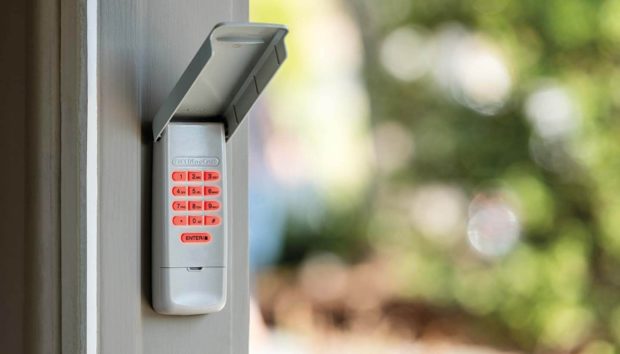
If your keypad is more than 8–10 years old, or if it has suffered significant physical damage, replacement may be the best solution. Modern keypads offer improved security, better weather resistance, and easier programming. If you’re considering a new unit, look for compatibility with your existing opener and consider features like backlit buttons or wireless connectivity.
For additional troubleshooting advice and step-by-step solutions, you can refer to this comprehensive guide to garage door keypads not working.
FAQ
Why does my garage door keypad only work intermittently?
Intermittent operation is often caused by weak batteries, environmental interference, or worn-out keypad buttons. Try replacing the batteries and cleaning the keypad. If the problem persists, check for sources of signal interference or consider reprogramming the unit.
How do I reset my garage door keypad to factory settings?
Most keypads can be reset by pressing and holding the “learn” button on your garage door opener until the indicator light turns off. Then, follow the manufacturer’s instructions to reprogram your access code. Always consult your model’s manual for specific steps.
What should I do if my keypad is unresponsive after a storm?
Moisture or power surges can affect keypad operation. Allow the keypad to dry out completely, replace the batteries, and check for visible damage. If the keypad remains unresponsive, it may need to be replaced.
Can I use any keypad with my garage door opener?
Not all keypads are universally compatible. Always check your opener’s specifications or refer to a compatibility guide before purchasing a new keypad.
Conclusion
Addressing keypad issues can often be accomplished with a careful, step-by-step approach. By following this garage door keypad troubleshooting checklist, you can resolve most common problems and restore reliable access to your garage. Regular maintenance and prompt attention to issues will help ensure your keypad continues to function smoothly for years to come.