A reliable garage door keypad is essential for smooth daily access to your home. Whether you’re leaving for work, returning with groceries, or letting kids in after school, a dependable keypad ensures convenience and security. However, many homeowners overlook simple habits and maintenance steps that can make a big difference in how consistently their keypad operates. This article shares practical garage door keypad usage tips to help you avoid common issues and keep your entry system working flawlessly.
If you’re interested in a deeper dive into the factors that influence keypad performance over time, check out our garage door keypad long term reliability guide for more insights.

Understanding How Garage Door Keypads Work
Before diving into daily best practices, it helps to understand the basics of how these keypads function. Most wireless keypads use a battery-powered transmitter to send a coded signal to your garage door opener. When you enter your PIN, the keypad communicates with the opener, which then activates the door mechanism. Modern keypads often include features like backlit buttons, weather-resistant casings, and rolling code technology for added security.
Since keypads are exposed to outdoor conditions and frequent use, even minor issues can disrupt their reliability. That’s why adopting a few simple habits can help you avoid unnecessary malfunctions.
Daily Garage Door Keypad Usage Tips for Consistent Performance
To ensure your keypad works every time you need it, incorporate these daily and weekly habits into your routine:
- Keep the Keypad Clean: Dirt, dust, and moisture can interfere with button contacts. Wipe the surface gently with a soft, dry cloth at least once a week. Avoid harsh cleaners that could damage the keypad’s weatherproof seal.
- Press Buttons Firmly: Make sure each button press is deliberate. Light or rushed touches may not register, especially if the keypad is older or exposed to weather.
- Check for Obstructions: Ensure nothing is blocking the keypad or the area around it, such as spider webs, leaves, or snow.
- Monitor Battery Life: Most keypads use standard batteries that last 1–2 years. If you notice the keypad is slow to respond or the backlight dims, replace the batteries promptly.
- Update Your PIN Regularly: Changing your code every few months not only improves security but also ensures you remember the correct sequence, reducing accidental lockouts.

Preventing Common Garage Door Keypad Issues
Even with regular care, keypads can develop problems. Here are some troubleshooting steps and prevention strategies to keep your keypad dependable:
- Inspect for Physical Damage: Cracks, worn buttons, or loose mounting can allow moisture inside. If you spot damage, replace the keypad promptly.
- Test the Keypad Regularly: Enter your code at least once a week, even if you usually use a remote or app. This ensures you’ll catch issues before they become urgent. For more on this, see our garage door keypad testing methods article.
- Check Wireless Signal: If the keypad is too far from the opener or there are new sources of interference (like LED bulbs or metal objects nearby), the signal may be blocked. Try moving obstructions or upgrading to a newer model with improved range.
- Keep Firmware Updated: Some newer smart keypads allow for firmware updates. Check your manufacturer’s instructions for details.
Security and Reliability: Best Practices for Everyday Use
Security and reliability go hand in hand. In addition to changing your PIN regularly, consider these habits:
- Don’t Share Codes Unnecessarily: Only give your code to trusted family members or service providers. If you must share, change the code afterward.
- Use Rolling Code Technology: If your keypad is older, consider upgrading to a model that uses rolling codes, which change after every use to prevent hacking.
- Shield the Keypad: Install the keypad in a location that’s visible to you but not to the street, and use your hand to cover the buttons as you enter your code.
- Review Security Settings: For smart keypads, periodically review app permissions and connected devices.
For more in-depth advice on keeping your entry system secure, visit our resource on garage door keypad security best practices.
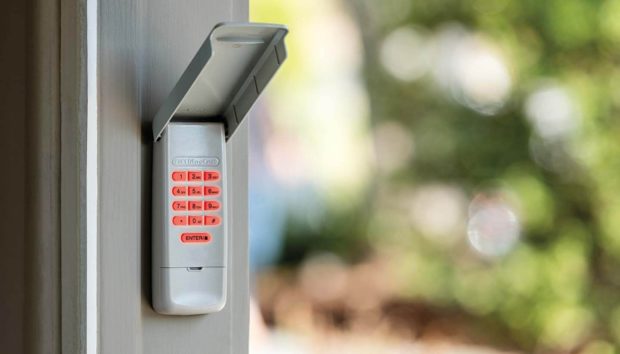
Choosing and Upgrading Your Garage Door Keypad
If you’re experiencing frequent issues despite following these tips, it may be time to consider a replacement. When selecting a new keypad, look for:
- Weather Resistance: Durable, sealed keypads withstand rain, dust, and temperature extremes.
- Compatibility: Ensure the keypad works with your specific opener model and brand.
- Security Features: Rolling codes, temporary PINs, and lockout functions add layers of protection.
- Ease of Installation: Many modern keypads are wireless and can be mounted with basic tools.
- Backlit Buttons: For nighttime use, backlighting is a helpful feature.
For a detailed comparison of popular models, see our garage door keypad quality comparison guide.
When to Seek Professional Help
Sometimes, persistent problems require more than DIY fixes. If you’ve tried all the above steps and your keypad still malfunctions, it may be time to consult a professional. Signs you need expert help include:
- The keypad is unresponsive even after battery replacement.
- The garage door opener fails to respond to any wireless device.
- There are visible signs of water damage or corrosion inside the keypad.
- You suspect wiring or circuit board issues.
For troubleshooting advice and solutions, you can refer to this comprehensive guide to fixing non-working garage door keypads.
Frequently Asked Questions
How often should I change the battery in my garage door keypad?
Most keypads require a new battery every 12 to 24 months, depending on usage and climate. If your keypad is slow to respond or the backlight is dim, replace the battery right away to maintain reliability.
What should I do if my keypad stops working suddenly?
First, check the battery and replace it if needed. Clean the keypad surface and ensure there are no obstructions. If the problem persists, try reprogramming the keypad or consult your manufacturer’s troubleshooting guide. For persistent issues, a professional inspection may be necessary.
Is it safe to share my garage door keypad code?
Only share your code with trusted individuals. Change your PIN regularly and update it immediately after sharing with someone outside your household. For added security, use keypads with temporary PIN features or rolling code technology.
How can I tell if my keypad is weatherproof?
Check your keypad’s product specifications or manual. Weatherproof models are typically sealed against moisture and dust. If you notice water inside the keypad or frequent malfunctions after rain, consider upgrading to a more robust model.
Where can I learn more about common myths and misconceptions?
For a breakdown of popular misunderstandings and facts, visit our article on garage door keypad myths explained.