A reliable garage door opener is essential for everyday convenience and home security. However, even the most dependable systems can develop issues over time, especially when it comes to the motor. Recognizing the garage door motor overheating signs early can help prevent costly repairs, unexpected breakdowns, and potential safety hazards. This article provides a practical overview of what to watch for, why these symptoms matter, and how to address them before they escalate.
If your garage door has been acting up—slowing down, making unusual noises, or stopping mid-cycle—these could be warning signals that the motor is under stress. Understanding these indicators is the first step toward maintaining a smooth and safe garage door system. For homeowners interested in broader maintenance topics, learning about the importance of garage door lubrication can also help prevent issues that lead to motor strain.
Common Warning Signs of an Overheated Garage Door Motor
Spotting the early symptoms of a stressed or overheating garage door opener motor can save you from inconvenient breakdowns. Below are the most frequent indicators that your system may be overheating:
- Unusual Burning Smell: A distinct burning odor coming from the opener housing is a classic sign of overheating. This smell often results from insulation or wiring getting too hot.
- Motor Shuts Down Unexpectedly: Many modern openers have thermal overload protection. If the motor stops working mid-cycle and resumes after cooling, overheating is likely the cause.
- Slow or Jerky Door Movement: If your garage door moves sluggishly or hesitates, the motor may be struggling to operate efficiently due to excess heat.
- Unusual Noises: Grinding, humming, or buzzing sounds can indicate that the motor is working harder than normal, often because of heat-induced wear or internal friction.
- Visible Smoke or Discoloration: In severe cases, you might notice smoke or darkened areas around the opener, both of which are urgent signs to stop using the system immediately.
If you observe any of these garage door motor overheating signs, it’s important to pause operation and investigate further before resuming use.
Why Do Garage Door Motors Overheat?
Understanding the root causes behind motor overheating can help you prevent future problems. Several factors contribute to excessive heat buildup in garage door openers:
- Poor Maintenance: Lack of regular lubrication or cleaning causes friction, making the motor work harder and generate more heat.
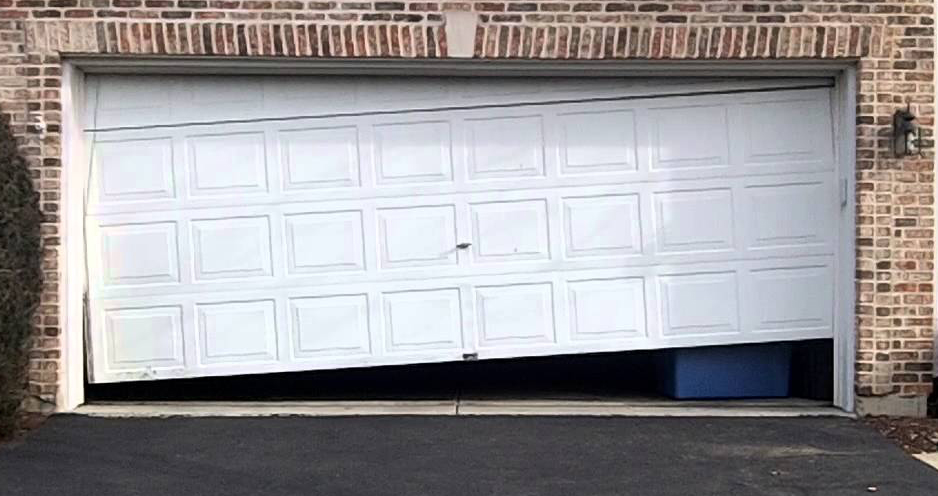
- Obstructions or Misaligned Tracks: When the door is off-track or blocked, the opener must exert extra force, leading to overheating. For more on this, see these garage door halfway track alignment tips.
- Heavy or Unbalanced Door: If springs are worn or the door is unbalanced, the opener is forced to lift more weight than intended, straining the motor.
- Continuous Operation: Repeatedly opening and closing the door in quick succession doesn’t allow the motor to cool, increasing the risk of overheating.
- Electrical Issues: Faulty wiring or power surges can cause the motor to draw excess current, generating more heat than normal.

How to Respond When You Notice Overheating Symptoms
Taking prompt action when you observe warning signs can prevent further damage. Here’s what to do if you suspect your garage door opener is overheating:
- Stop Using the Opener: Immediately cease operation to allow the motor to cool down and prevent additional stress or damage.
- Disconnect Power: Unplug the opener or switch off the circuit breaker to eliminate any risk of electrical hazards.
- Inspect for Obvious Issues: Look for visible obstructions, misaligned tracks, or broken springs. Addressing these can reduce strain on the motor.
- Check for Proper Lubrication: Dry or squeaky moving parts increase resistance. Applying a quality lubricant can help. For guidance, refer to the importance of garage door lubrication.
- Allow Ample Cooling Time: Give the motor at least 30–60 minutes to cool before attempting to use it again.
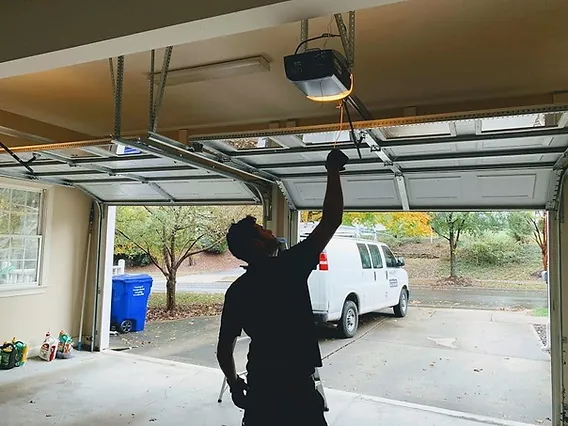
- Consult a Professional: If the problem persists, contact a qualified technician to diagnose and repair the issue safely.
Ignoring these symptoms can lead to permanent motor failure or even pose a fire risk. If you’re unsure, it’s always best to err on the side of caution and seek expert help.
Preventative Maintenance to Avoid Overheating Issues
Regular upkeep is the most effective way to prevent garage door motor overheating signs from developing. Here are some practical maintenance tips:
- Lubricate Moving Parts: Apply a recommended lubricant to rollers, hinges, and tracks every few months.
- Test Door Balance: An unbalanced door puts extra load on the opener. Learn more about this topic in garage door balance and halfway stopping.
- Inspect Tracks and Springs: Ensure tracks are aligned and springs are in good condition to minimize resistance.
- Limit Consecutive Cycles: Avoid opening and closing the door repeatedly in a short period.
- Schedule Professional Inspections: Annual check-ups by a technician can catch early signs of wear or electrical issues.
When to Replace Your Garage Door Opener
Sometimes, persistent overheating is a sign that your opener is nearing the end of its service life. Here are factors to consider when deciding whether to repair or replace:
- Age of the Opener: Most units last 10–15 years. If yours is older, replacement may be more cost-effective.
- Frequency of Repairs: Repeated breakdowns or overheating episodes suggest underlying issues that may not be fixable.
- Availability of Parts: For older models, finding replacement parts can be difficult or expensive.
- Safety Features: Newer openers offer enhanced safety and energy efficiency, making them a worthwhile investment.
If you’re considering an upgrade, look for models with built-in thermal protection and smart features. For more troubleshooting advice, see this comprehensive guide to garage door problems.
FAQ About Garage Door Motor Overheating
What should I do if my garage door opener stops working after multiple uses?
If your opener shuts down after several cycles, it’s likely a built-in thermal overload feature has activated due to overheating. Allow the unit to cool for at least 30 minutes before trying again. If the problem repeats, check for obstructions, ensure proper lubrication, and consider a professional inspection.
Can I prevent my garage door motor from overheating with regular maintenance?
Yes, routine maintenance such as lubricating moving parts, checking door balance, and inspecting tracks can significantly reduce the risk of overheating. Scheduling annual professional service is also recommended for optimal performance.
Is it safe to continue using my garage door if I notice a burning smell?
No, a burning odor is a serious warning sign. Immediately stop using the opener, disconnect power, and inspect for visible issues. If the smell persists or you see smoke, contact a technician before resuming use.
How can I tell if my garage door is unbalanced and causing motor strain?
Signs of an unbalanced door include uneven movement, the door stopping halfway, or the opener making unusual noises. For detailed steps on testing and correcting this, refer to garage door balance and halfway stopping.