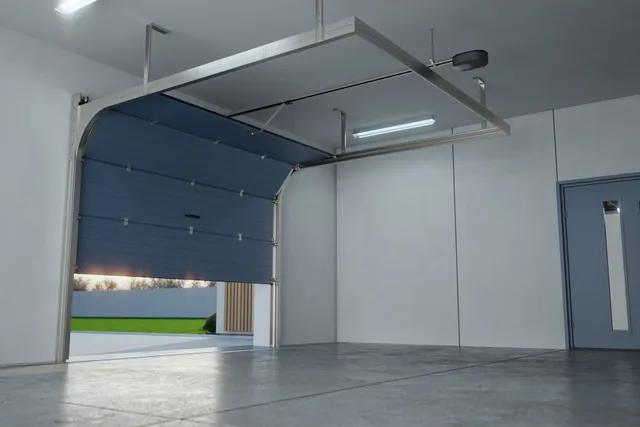
The lifespan and efficiency of your garage door opener can have a significant impact on daily convenience and home security. As these devices age, their reliability and safety features may decline, leading to issues such as inconsistent operation, increased noise, or even sudden breakdowns. Understanding how the age of your opener affects its performance helps you make informed decisions about maintenance, repairs, or upgrades.
Whether you’re experiencing slow response times, unusual noises, or are simply curious about when to replace your opener, this guide covers the essential factors that influence the longevity and effectiveness of these systems. You’ll also find practical advice for diagnosing problems, improving performance, and knowing when it’s time for a new unit.
If you’re troubleshooting opener issues, it’s helpful to understand how garage door limit settings work, as these adjustments can affect both safety and smooth operation.
How Opener Lifespan Influences Garage Door Function
Most modern garage door openers are built to last between 10 and 15 years, depending on usage and maintenance. Over time, several factors can contribute to declining performance:
- Wear and Tear: Internal gears, chains, and belts degrade with repeated use, causing slower or noisier operation.
- Outdated Technology: Older units may lack advanced safety features or compatibility with smart home systems.
- Electrical Issues: Aging circuit boards or wiring can lead to intermittent failures or reduced responsiveness.
- Environmental Exposure: Extreme temperatures and humidity can accelerate the deterioration of mechanical and electronic components.
As your opener ages, you may notice the door stopping halfway, reversing unexpectedly, or failing to open or close completely. These symptoms often indicate that the device is struggling to keep up with daily demands.
Key Signs Your Garage Door Opener Needs Attention
Recognizing early warning signs can help you address minor issues before they become major problems. Here are some common indicators that your opener’s age is affecting its performance:
- Increased Noise: Grinding, squeaking, or rattling sounds suggest worn gears or loose hardware.
- Slow Operation: If the door opens or closes more slowly than usual, internal components may be wearing out.
- Unreliable Remote Response: Delayed or inconsistent reactions to remote commands can point to electrical or signal issues.
- Lack of Modern Safety Features: Units older than 15 years may not have auto-reverse or photo eye sensors, which are now standard for preventing accidents.
- Frequent Repairs: If you’re calling for service more often, replacement may be more cost-effective than continued fixes.
For troubleshooting specific issues like a door that stops or reverses midway, you may find it helpful to read about the garage door reversing halfway safety feature and how it works.

Maintenance Tips to Extend Opener Lifespan
Regular upkeep can help your garage door opener perform reliably for years. Consider these practical maintenance steps:
- Lubricate Moving Parts: Apply a high-quality lubricant to chains, rollers, and hinges every six months to minimize friction and noise.
- Check Safety Sensors: Ensure photo eyes are clean and aligned. Misaligned sensors can prevent the door from closing properly. For step-by-step help, see garage door photo eye troubleshooting.
- Inspect and Tighten Hardware: Vibrations can loosen bolts and brackets over time. Tighten all fasteners to keep the system stable.
- Test Auto-Reverse Feature: Place an object in the door’s path to confirm it reverses automatically. If not, adjustment or repair is needed.
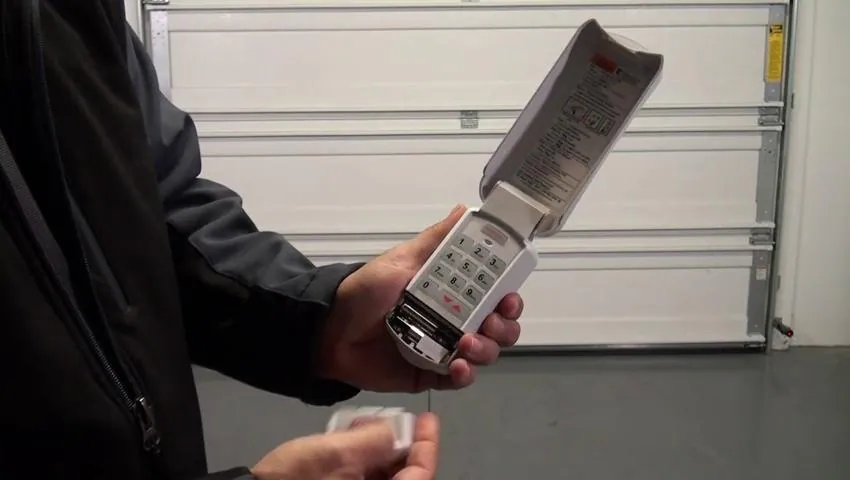
- Replace Remote Batteries: Weak batteries can cause unreliable operation. Change them annually or as needed.
Proper maintenance not only improves day-to-day performance but also helps you spot potential problems before they lead to costly repairs.
When to Replace Your Garage Door Opener
Even with diligent care, all openers eventually reach the end of their useful life. Consider replacement if:
- The unit is over 15 years old and lacks modern safety features.
- Repairs are becoming more frequent or expensive.
- Performance issues persist despite regular maintenance.
- You want to upgrade to a quieter, more energy-efficient, or smart-enabled model.
Newer openers offer enhanced security, quieter operation, and integration with smart home systems. If your current device is showing its age, investing in a replacement can improve both convenience and peace of mind.

Performance Problems Linked to Opener Age
As openers get older, certain issues become more common. These can include:
- Partial Opening or Closing: The door may stop or reverse before reaching its limit. For more on this, see garage door limit switch explained.
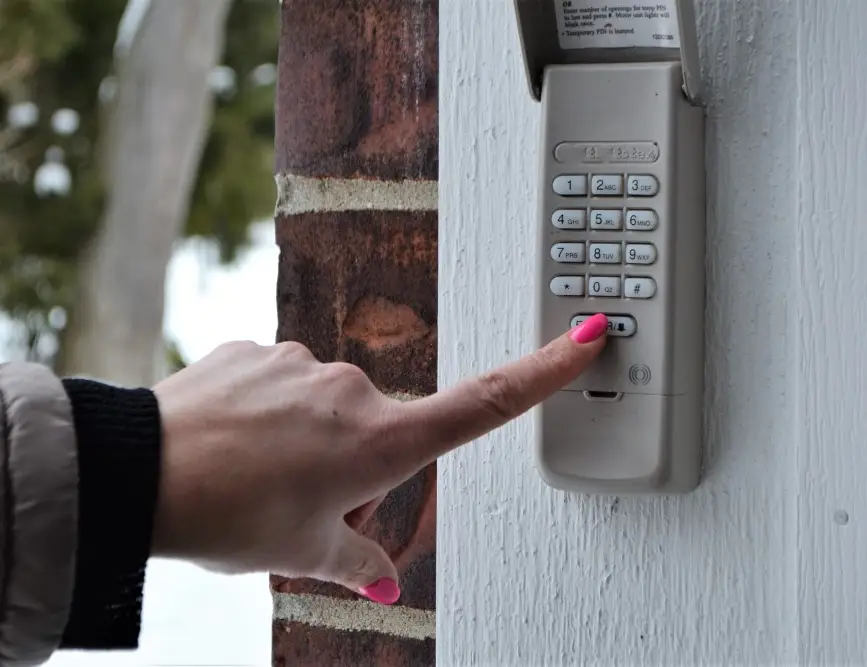
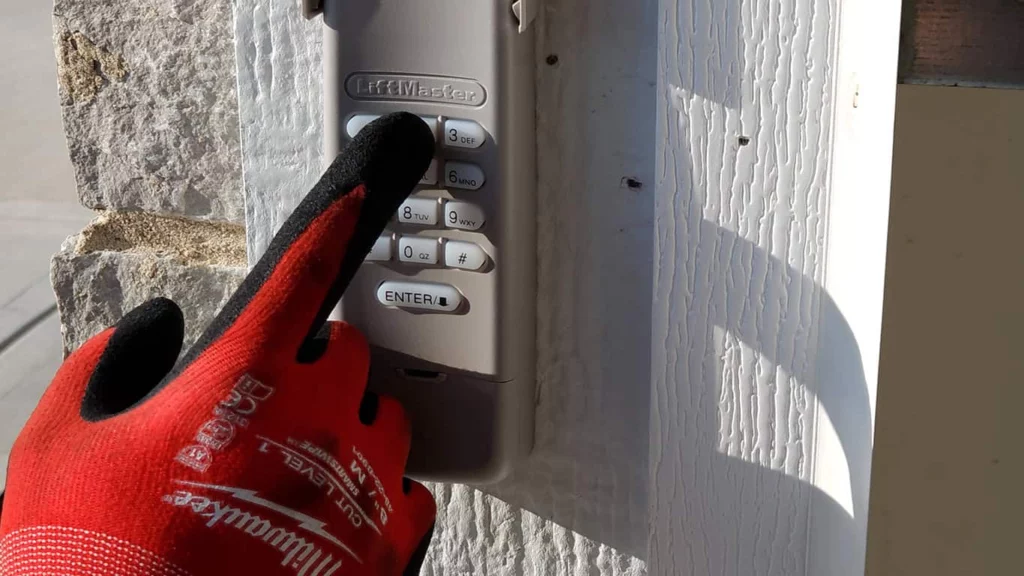
- Remote or Keypad Failures: Older electronics are more prone to interference or malfunction.
- Inconsistent Safety Features: Sensors may fail to detect obstacles, increasing the risk of accidents.
- Security Vulnerabilities: Outdated openers may use fixed codes, making them easier targets for unauthorized access.
If you notice your garage door stopping halfway, you might want to review this in-depth article on why garage doors stop halfway for additional troubleshooting tips.
Improving Safety and Efficiency With Modern Features
Upgrading to a newer opener model brings several advantages:
- Enhanced Safety: Modern units include rolling code technology and improved sensors to prevent accidents and unauthorized access. Learn more about how garage door sensors prevent accidents.
- Smart Connectivity: Many new openers allow control and monitoring via smartphone apps.
- Quieter Operation: Belt-drive and DC motor models significantly reduce noise compared to older chain-driven units.
- Energy Efficiency: Updated electronics use less power and offer standby modes.
These improvements not only boost convenience but also contribute to a safer, more secure home environment.
Frequently Asked Questions
How long does a typical garage door opener last?
Most openers function reliably for 10 to 15 years with regular maintenance. Heavy use or lack of upkeep can shorten this lifespan.
What are the main signs that my opener is failing?
Common indicators include increased noise, slow or inconsistent operation, frequent need for repairs, and lack of modern safety features.
Can I upgrade my old opener with new safety features?
Some safety features, like photo eye sensors, can be retrofitted, but many older units lack compatibility. In most cases, replacing the opener is the best way to ensure up-to-date safety and performance.
Is it worth repairing an old garage door opener?
If your opener is over 15 years old or requires frequent repairs, replacement is usually more cost-effective and provides better security and convenience.
How can I make my opener last longer?
Regular lubrication, hardware checks, sensor alignment, and prompt attention to minor issues will help extend the life of your device.