A properly calibrated garage door opener ensures smooth operation and helps prevent common issues like stopping or reversing at the wrong position. When your opener fails to open or close fully, or consistently stops at the halfway point, it’s often a sign that calibration is needed. This guide will walk you through the process of adjusting your opener for reliable performance, covering essential steps, safety tips, and troubleshooting advice.
Before diving into the calibration process, it’s important to understand that halfway issues can be caused by a range of factors, from misaligned sensors to incorrect limit settings. Addressing these problems not only improves convenience but also extends the lifespan of your garage door system. If you’re experiencing persistent problems, you might also want to review related topics like garage door halfway sensor issues for a deeper understanding of sensor-related malfunctions.
Understanding Halfway Calibration for Garage Door Openers
When a garage door opener stops or reverses at the halfway point, it often indicates that the travel limits or force settings are out of adjustment. These settings control how far the door travels when opening and closing, and how much force the opener applies. If the calibration is off, the opener may interpret normal resistance as an obstruction, causing it to stop prematurely.
Common symptoms that signal the need for recalibration include:
- The door only opens or closes halfway and then stops.
- The opener reverses direction unexpectedly.
- The door gets stuck and requires manual intervention.
- Unusual noises or jerky movement during operation.
If you’re troubleshooting these issues, reviewing why garage door won’t open all the way can provide additional insights into related causes and solutions.
Tools and Safety Precautions
Before starting the calibration process, gather the following tools and take necessary safety measures:
- Flathead and Phillips screwdrivers
- Step ladder
- Owner’s manual for your specific opener model
- Protective gloves and safety glasses
Always disconnect the opener from power before making adjustments. Keep hands and tools clear of moving parts, and never attempt to calibrate the opener while the door is in motion.
Step-by-Step Instructions for Adjusting Your Opener
1. Disconnect and Inspect
Unplug the opener from its power source. Inspect the door and tracks for obstructions, debris, or damage that could interfere with movement. Lubricate moving parts with a suitable spray to reduce friction and prevent false stops.
2. Locate the Adjustment Controls
Most openers have two main adjustments: travel limits and force controls. These are usually found on the side or back of the opener motor unit. Refer to your owner’s manual for exact locations and labeling.
3. Adjust the Travel Limits
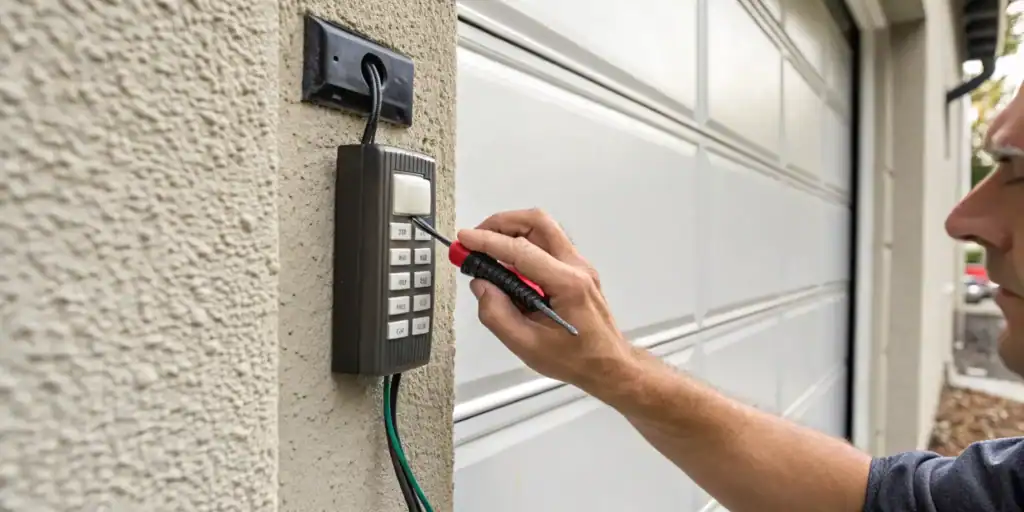
The travel limits determine how far the door moves in each direction. Use a screwdriver to turn the “up” and “down” limit screws or dials. Small adjustments (typically a quarter turn at a time) can make a significant difference. After each adjustment, reconnect power and test the door’s movement.
- If the door stops short of fully opening, increase the “up” limit.
- If it doesn’t close completely, increase the “down” limit.
- If the door goes too far, decrease the corresponding limit.
For more detailed troubleshooting, you can consult resources like garage door won’t close completely to address specific closing problems.
4. Fine-Tune the Force Settings
The force controls adjust how much power the opener uses to move the door. If the force is set too low, the opener may stop at the halfway point, thinking it has hit an obstruction. Increase the force slightly and test again. Avoid setting the force too high, as this can create safety risks.
5. Test the Safety Reversal System
After making adjustments, test the safety reversal system by placing a small object in the door’s path. The door should reverse immediately upon contact. This ensures that your calibration hasn’t compromised safety features.
Common Issues and Troubleshooting Tips
If calibration does not resolve the halfway stopping problem, consider these additional troubleshooting steps:
- Check for misaligned or dirty safety sensors. Clean and realign as needed.
- Inspect the door’s balance by disconnecting the opener and manually lifting the door. It should move smoothly and stay open halfway without assistance.
- Look for worn or damaged rollers, hinges, or tracks.
- Review the opener’s wiring and connections for loose or corroded terminals.
For a comprehensive troubleshooting process, see troubleshooting garage door halfway problems for step-by-step solutions to persistent issues.

When to Call a Professional
While many calibration tasks can be handled by homeowners, some situations require professional attention:
- The door is off its tracks or visibly damaged.
- Repeated calibration attempts do not resolve the issue.
- There are electrical or wiring problems beyond basic adjustments.
- The opener is making loud, unusual noises or shows signs of motor failure.
In these cases, hiring a certified technician ensures safe and effective repairs. For practical advice on what to do if your garage door stops midway, see what to do when garage door stops halfway.
Additional Resources and Expert Advice
For further reading and troubleshooting tips, you can explore this in-depth guide on garage door stops halfway problems. Staying informed about your opener’s maintenance and calibration will help you avoid inconvenient breakdowns and costly repairs.
Frequently Asked Questions
What causes a garage door opener to stop at the halfway point?
The most common causes include misadjusted travel limits, incorrect force settings, sensor misalignment, or physical obstructions. Regular maintenance and proper calibration can prevent these issues.
How often should I calibrate my garage door opener?
Calibration is typically needed when you notice operational problems, after installing a new opener, or following significant changes to the door or hardware. Annual checks are recommended for optimal performance.
Can I calibrate my garage door opener myself, or do I need a professional?
Many homeowners can handle basic calibration by following the steps outlined above. However, if the problem persists or involves complex electrical or mechanical issues, it’s best to consult a professional technician.