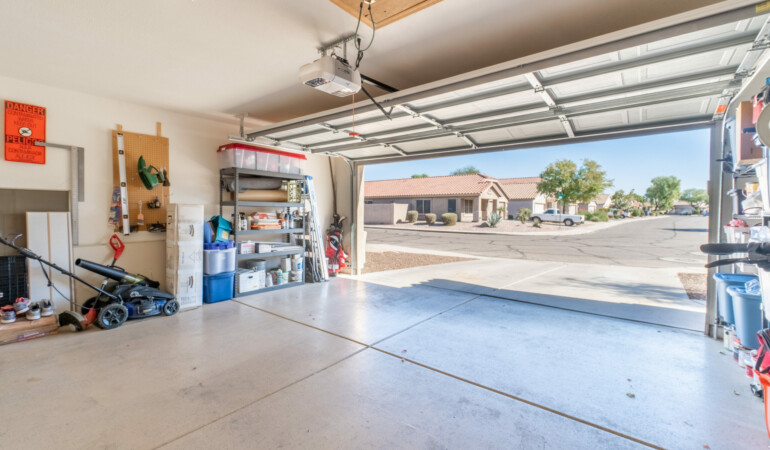
Modern garage doors are designed with safety and durability in mind, but one issue that can disrupt their operation is overheating. When a garage door opener or its motor gets too hot, it can lead to unexpected shutdowns, reduced lifespan, or even permanent damage. To address these concerns, manufacturers have introduced a range of garage door overheating protection features that help prevent costly repairs and ensure reliable performance.
Understanding how these protective mechanisms work is essential for homeowners who want to keep their garage doors functioning smoothly, especially during periods of heavy use or extreme weather. In this article, we’ll break down the most important overheating safeguards, how they operate, and what you can do to maintain a safe, efficient garage door system. For those interested in related safety features, you can also learn about garage door reversing halfway safety feature and how it contributes to overall system protection.
How Overheating Happens in Garage Door Systems
Garage door openers rely on electric motors to lift and lower the door. During operation, these motors generate heat as a byproduct of electrical resistance and mechanical friction. Under normal conditions, this heat dissipates naturally. However, several factors can cause the temperature to rise beyond safe levels:
- Frequent opening and closing cycles in a short period
- Heavy or unbalanced doors that strain the motor
- Poor ventilation in the garage space
- Obstructions or lack of lubrication in the door tracks
- High ambient temperatures, especially in summer
When the motor overheats, built-in safety features are triggered to prevent further operation until the system cools down. This is where garage door overheating protection becomes crucial.
Key Overheating Protection Mechanisms
Manufacturers have developed several methods to safeguard garage door openers from heat-related damage. Here are the most common features found in modern systems:
Thermal Overload Switches
One of the primary lines of defense is the thermal overload switch. This component monitors the temperature of the motor. If it detects that the motor is reaching unsafe heat levels, it automatically cuts power to the opener. This prevents the motor from burning out and allows it to cool down before resuming operation.
Automatic Reset Functions
After the thermal overload switch is triggered, most openers are designed to reset themselves once the motor has cooled sufficiently. This automatic reset ensures that the door can be used again without manual intervention, but only after the risk of overheating has passed.
Cycle Limiting Technology
Some advanced garage door openers include cycle limiting features. These systems track how many times the door is operated within a certain period. If the usage exceeds safe limits, the opener temporarily disables itself to prevent overheating. This is especially useful in commercial or multi-family settings where doors are used more frequently.

Benefits of Overheating Protection for Homeowners
The integration of garage door overheating protection offers several advantages for residential users:
- Extended Motor Life: By preventing the motor from running while overheated, these features reduce wear and tear, resulting in a longer lifespan for your opener.
- Reduced Repair Costs: Early intervention minimizes the risk of permanent damage, saving you money on replacements or major repairs.
- Consistent Performance: Protection systems help maintain reliable operation, even during periods of heavy use or extreme weather.
- Enhanced Safety: Preventing the motor from overheating also reduces the risk of electrical fires or other hazards.
How to Recognize and Respond to Overheating Events
If your garage door opener suddenly stops working after repeated use, overheating may be the cause. Here are some signs and steps you can take:
- The opener stops mid-cycle and does not respond to remote or wall controls
- You notice a burning smell or excessive heat near the motor housing
- The system resumes normal function after a 15–30 minute cooldown period
When these symptoms appear, allow the opener to rest and avoid forcing operation. If the problem persists, inspect the door for obstructions or balance issues. Regular maintenance, such as lubricating moving parts and ensuring proper alignment, can help prevent overheating. For more detailed troubleshooting, you may find it helpful to read about garage door photo eye troubleshooting.
Tips to Prevent Overheating in Garage Door Openers
While built-in protection features are effective, proactive care can further reduce the risk of overheating. Consider these practical steps:
- Limit back-to-back door cycles, especially during hot weather
- Keep the garage well-ventilated to help dissipate heat
- Lubricate hinges, rollers, and tracks regularly to minimize friction
- Check for door balance and adjust springs if necessary
- Clear any debris or obstructions from the tracks
- Schedule annual professional inspections

Related Safety and Control Features
Overheating protection is just one aspect of a comprehensive safety system. Modern openers also include features like auto-reverse mechanisms and sensor-based controls. If you’re interested in learning more about how these systems work together, check out this guide on how garage door limit settings work and how they can help prevent operational issues.
Additionally, understanding the function and adjustment of limit switches is important for maintaining optimal door performance. For a deeper dive, see garage door limit switch explained.
When to Seek Professional Help
While most overheating incidents resolve after a cooldown period, repeated or persistent issues may indicate a deeper problem. If your opener frequently shuts down or you notice unusual noises, burning smells, or visible wear, it’s best to consult a qualified technician. They can diagnose electrical faults, worn components, or improper installation that may be contributing to excessive heat.
In some cases, upgrading to a newer opener with advanced garage door overheating protection features can provide peace of mind and improved reliability. For those considering a new system, be sure to look for models with built-in thermal overload switches and cycle limiting technology.
Additional Resources
For more in-depth information on troubleshooting and maintaining your garage door system, you may find these resources helpful:
- Learn about how garage door sensors prevent accidents for added safety.
- For common issues like doors stopping halfway, see why your garage door stops halfway and how to fix it.
Frequently Asked Questions
How long does it take for a garage door opener to cool down after overheating?
Most garage door openers require about 15 to 30 minutes to cool down after overheating. The exact time depends on the ambient temperature and the specific model. Once cooled, the thermal overload switch will reset, and normal operation can resume.
Can I prevent my garage door motor from overheating during summer?
Yes, you can reduce the risk of overheating by limiting consecutive cycles, keeping the garage well-ventilated, and regularly lubricating moving parts. Ensuring the door is balanced and free of obstructions also helps minimize strain on the motor.
What should I do if my garage door opener keeps shutting off?
If your opener repeatedly shuts off, it may be a sign of persistent overheating or another underlying issue. Allow the system to cool, check for mechanical problems, and consult a professional if the problem continues. Upgrading to a model with enhanced garage door overheating protection may also help.