Cold weather can create a host of issues for homeowners, especially when it comes to the functionality of garage doors. As temperatures drop, even well-maintained systems can experience unexpected malfunctions, leaving vehicles stuck or security compromised. Understanding the most common garage door problems in winter and knowing how to prevent and fix them can save time, money, and frustration during the harshest months.
This guide covers the most frequent cold-weather garage door issues, practical steps for prevention, and effective solutions for when things go wrong. Whether you’re dealing with a door that won’t open, noisy operation, or frozen components, you’ll find actionable advice to keep your garage accessible and secure all season long.
If your garage door gets stuck or only opens partway, it could be related to track alignment or roller issues. For a detailed walkthrough on resolving these challenges, see garage door halfway due to misaligned tracks.
Common Cold Weather Garage Door Issues
Winter brings a unique set of challenges for garage doors. The combination of freezing temperatures, moisture, and ice can cause both mechanical and electrical components to malfunction. Below are some of the most frequent problems homeowners encounter:
- Frozen garage door seals that stick to the ground, making it difficult to open the door.
- Stiff or brittle weatherstripping that loses flexibility and fails to keep out drafts.
- Metal components contracting, resulting in misaligned tracks or noisy operation.
- Thickened lubricants or lack of lubrication causing rollers and hinges to seize up.
- Sensor malfunctions due to condensation or ice buildup on safety eyes.
- Broken springs or cables, which are more likely to snap in cold weather.
Addressing these issues promptly helps prevent further damage and ensures your garage remains functional throughout winter.
Prevention Tips for Garage Door Issues in Cold Weather
Taking proactive steps before the cold sets in can significantly reduce the risk of winter-related garage door malfunctions. Here are some effective strategies:
- Inspect and Replace Weatherstripping: Check the rubber seal at the bottom of the door and the weatherstripping around the frame. Replace any brittle or cracked sections to prevent freezing and drafts.
- Lubricate Moving Parts: Use a silicone-based or garage door-specific lubricant on rollers, hinges, tracks, and springs. Avoid heavy grease, which can thicken in low temperatures. For best results, consider a product like those found in the garage door lubricant spray category.
- Clear Ice and Snow Promptly: After each snowfall, remove ice and snow from around the base of the door to prevent the seal from freezing to the ground.
- Test the Door Balance: Disengage the opener and manually lift the door. If it doesn’t stay open or feels unusually heavy, the springs may need adjustment or replacement.
- Check Safety Sensors: Wipe condensation or frost from the sensors to ensure the automatic reversal system works correctly.
- Schedule Preventive Maintenance: Have a professional inspect your garage door system before winter to catch potential issues early.
How to Fix Garage Door Problems Caused by Winter Weather
Even with the best preventive measures, winter can still cause unexpected garage door troubles. Here’s how to address some of the most common issues:
Dealing with Frozen Garage Doors
If your garage door is stuck to the ground, avoid forcing it open, as this can damage the seal or opener. Instead, use warm water to melt the ice along the bottom edge, then gently break the bond with a plastic scraper. Dry the area thoroughly to prevent refreezing.
Resolving Noisy or Stiff Operation
Cold weather can cause metal parts to contract and lubricants to thicken, resulting in squeaks or grinding noises. Apply a thin layer of garage door lubricant to all moving parts, focusing on rollers, hinges, and tracks. If the noise persists, inspect for worn-out components and replace as needed.
Fixing Sensor and Opener Malfunctions
Condensation or frost on safety sensors can interrupt the signal, preventing the door from closing. Clean both sensors with a soft cloth and ensure they are properly aligned. If your opener is sluggish or unresponsive, check the batteries and consider upgrading to a model designed for cold climates. For more on opener issues, see this guide on why a garage door stops halfway.
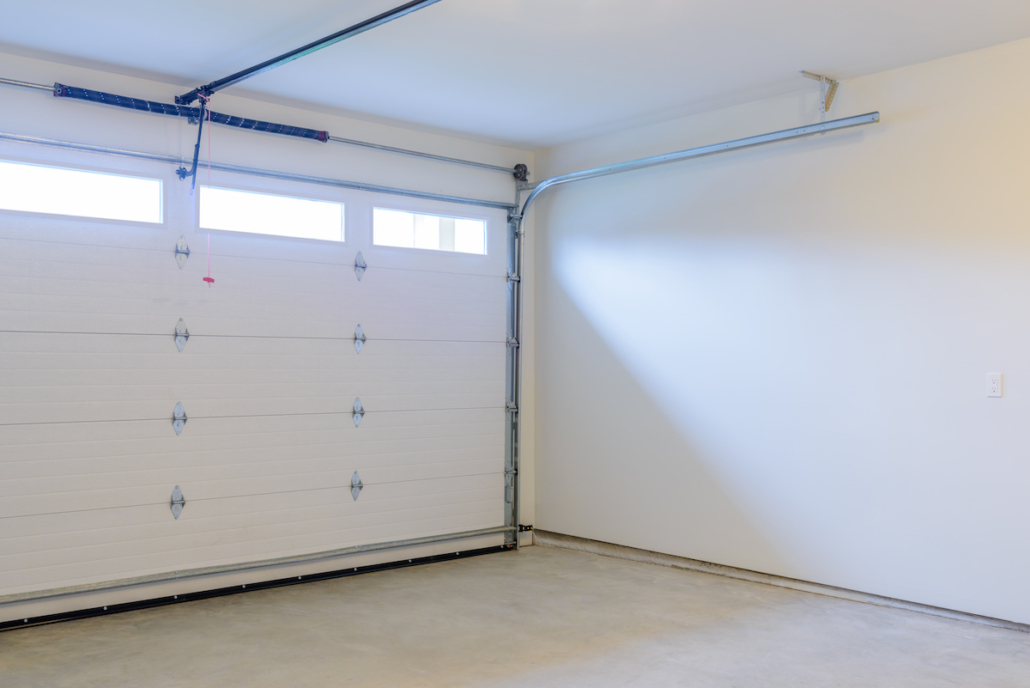
Addressing Track and Roller Problems
Ice buildup or misalignment can cause the door to bind or stop midway. Clear any debris from the tracks and check for bends or gaps. If the problem persists, you might find the article on garage door rollers sticking midway helpful for troubleshooting and repair steps.

When to Call a Professional
While many winter garage door issues can be handled with basic tools and supplies, some problems require expert attention. If you notice broken springs, frayed cables, or persistent electrical faults, contact a qualified technician. Attempting to repair high-tension components without proper training can be dangerous.
For ongoing maintenance, consider scheduling a professional inspection before winter starts. This can help identify worn parts and ensure your system is ready for cold weather. If you’re experiencing issues with chain or belt mechanisms, resources on garage door chain slipping halfway and garage door belt tension maintenance offer additional troubleshooting tips.
FAQ: Winter Garage Door Troubleshooting
Why does my garage door get stuck or stop halfway during winter?
Cold temperatures can cause metal tracks to contract, lubricants to thicken, or ice to form on moving parts. These factors can make the door bind or stop. For detailed solutions, see our guide on how to fix garage door binding halfway.
How can I prevent my garage door from freezing shut?
Keep the area around the door clear of snow and ice, and regularly check the bottom seal for moisture. Applying a silicone-based lubricant to the seal can help prevent sticking. Avoid using salt, as it can damage the rubber and metal components.
Is it safe to repair garage door springs or cables myself?
No, repairing high-tension springs or cables can be extremely dangerous without proper tools and training. Always call a professional for these repairs to avoid injury or further damage to your garage door system.
What type of lubricant should I use for my garage door in winter?
Use a silicone-based or garage door-specific spray lubricant. These remain effective in low temperatures and won’t thicken like standard grease or oil. Apply it to all moving parts, including rollers, hinges, and tracks, for smooth operation.
Conclusion
Winter weather can be tough on garage doors, but with the right preventive measures and timely repairs, you can keep your system running smoothly. Regular inspections, proper lubrication, and prompt attention to minor issues will help you avoid the most common garage door problems in winter. When in doubt, don’t hesitate to consult a professional for complex repairs or safety concerns.