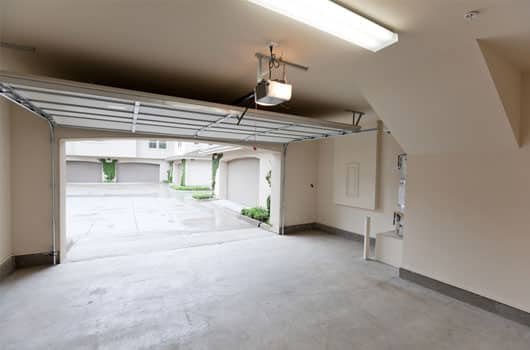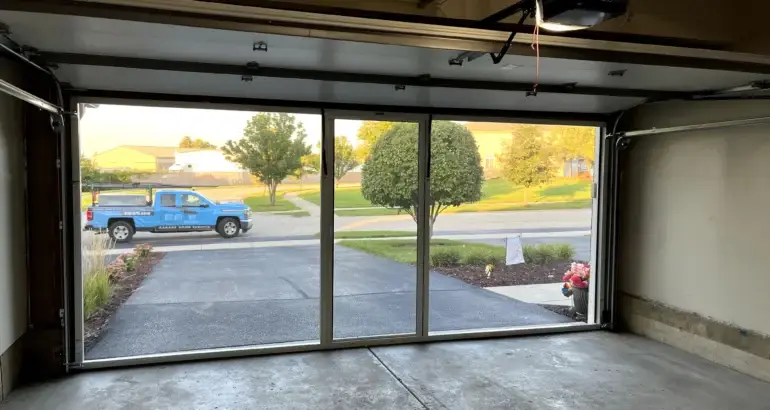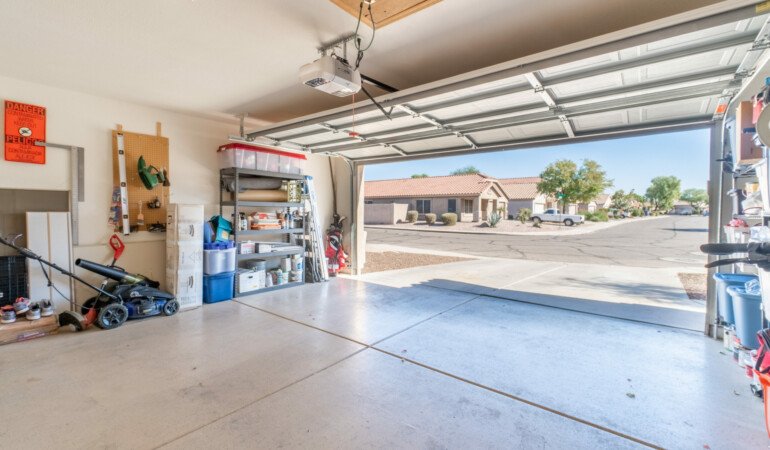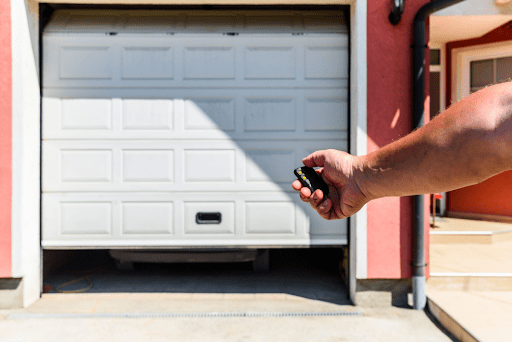
Modern garage doors are equipped with a range of garage door safety features designed to protect your family, pets, and property. Understanding how these mechanisms work and why they matter can help you make informed decisions about maintenance, upgrades, and daily operation. Whether you’re a new homeowner or looking to update your existing system, this guide covers the essential safety components, how they function, and what you should check regularly to ensure your garage door remains secure and reliable.
Many homeowners encounter issues like noisy operation, doors stopping halfway, or unexpected reversals. These problems often relate to safety systems doing their job—or needing attention. For a deeper look at common operational problems, see our garage door noise halfway issue resource, which explains causes and solutions for doors that don’t open or close smoothly.
Why Garage Door Safety Systems Matter
Garage doors are among the largest moving objects in most homes. A malfunction or oversight can lead to property damage or even injury. That’s why manufacturers include a variety of safety mechanisms to prevent accidents. These systems are not only required by building codes but also provide peace of mind for families with children and pets.
Regularly inspecting and understanding these features ensures your door operates safely and efficiently. Neglecting maintenance or ignoring warning signs can compromise the effectiveness of these safeguards.
Key Garage Door Safety Features and How They Work
Let’s break down the most important safety technologies found in today’s garage doors. Knowing what each component does will help you identify issues early and communicate effectively with service professionals.
Photo-Eye Sensors: Preventing Accidental Closures
One of the most critical garage door safety features is the photo-eye sensor system. These small devices are installed on either side of the door, a few inches above the ground. They emit an invisible beam across the opening. If anything interrupts this beam while the door is closing—a child, pet, or object—the system immediately stops and reverses the door’s movement.
Dirty lenses, misalignment, or wiring issues can cause the sensors to malfunction. If your door won’t close and the opener lights blink, check the sensors first. Cleaning and realigning them often resolves the issue.
Auto-Reverse Mechanism: Essential for Injury Prevention
The auto-reverse function is a built-in safety protocol that detects resistance while the door is closing. If the door encounters an unexpected obstacle, it automatically reverses direction. This feature is usually triggered by a pressure sensor in the opener’s motor.
Test the auto-reverse regularly by placing a roll of paper towels in the door’s path and closing it. The door should reverse immediately upon contact. If it doesn’t, consult your owner’s manual or a professional technician.
Manual Release Handle: Emergency Access and Safety
Every automatic garage door opener includes a manual release handle, usually a red cord hanging from the opener rail. This feature allows you to disconnect the door from the opener, enabling manual operation during power outages or emergencies.
Make sure everyone in your household knows where the manual release is and how to use it. Never pull the handle while the door is open, as it could slam shut unexpectedly.
Rolling Code Technology: Securing Your Home
Modern openers use rolling code technology to prevent code grabbing and unauthorized access. Each time you use your remote, the opener generates a new code, making it nearly impossible for would-be intruders to duplicate the signal.
If your opener is more than 15 years old, consider upgrading to a model with rolling code security. This simple change can significantly enhance your home’s protection.
Force Settings and Sensitivity Adjustments
Most openers allow you to adjust the force required to open and close the door. Proper calibration ensures the door will stop and reverse if it encounters an obstacle, but won’t be so sensitive that it reverses for no reason.
If you notice your door stopping or reversing unexpectedly, or if it doesn’t reverse when it should, check the force and sensitivity settings. Refer to your owner’s manual for instructions, or contact a professional for help.
Maintenance Tips for Reliable Safety Performance
Keeping your garage door’s safety systems in top shape requires regular attention. Here are some practical steps you can take:
- Test photo-eye sensors and auto-reverse monthly.
- Keep sensors clean and free from obstructions.
- Lubricate moving parts to prevent wear and noise. For the right products, see our garage door maintenance checklist.
- Check the manual release handle for easy operation.
- Inspect cables, springs, and tracks for signs of wear or damage.
- Schedule professional inspections annually.
Common Problems and Troubleshooting Safety Features
Even with the best safety systems, issues can arise. Some of the most frequent problems include:
- Door stops halfway or reverses unexpectedly.
- Remote control fails to operate the door.
- Photo-eye sensors blink or show error lights.
- Manual release is stuck or difficult to use.
If your garage door stops partway or behaves unpredictably, it may be due to sensor misalignment, dirty tracks, or worn-out components. For detailed troubleshooting, you can refer to this guide on why garage doors stop halfway for expert advice.
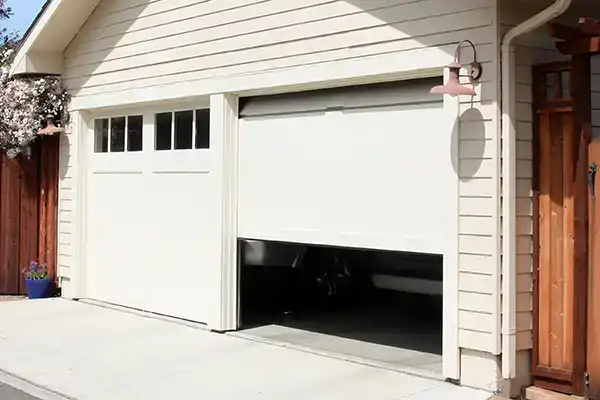
Addressing these issues promptly not only restores function but also ensures your safety systems are working as intended. If you’re unsure about a repair, it’s always best to consult a qualified technician.
Upgrading and Enhancing Your Garage Door’s Protection
Technology continues to evolve, offering homeowners new ways to improve security and convenience. If your door lacks modern safety features, consider these upgrades:
- Smart openers with app controls and real-time alerts.
- Backup battery systems for operation during power outages.
- Upgraded photo-eye sensors with improved reliability.
- Quiet, belt-driven openers that reduce noise and vibration.
For practical advice on preventing operational issues, review our article on how to prevent garage door jamming. Keeping up with maintenance and technology not only extends the life of your system but also maximizes safety for everyone in your home.
Frequently Asked Questions
How often should I test my garage door’s safety features?
It’s recommended to test the photo-eye sensors and auto-reverse mechanism at least once a month. Regular checks help catch problems early and ensure your door remains safe to use.
What should I do if my garage door won’t close?
First, check for obstructions or misaligned photo-eye sensors. Clean the lenses and make sure nothing is blocking the sensor beam. If the problem persists, inspect the force settings or consult a professional.
Is it worth upgrading to a newer garage door opener?
Yes, especially if your current opener is more than 10–15 years old. Newer models offer enhanced safety, rolling code security, quieter operation, and smart features that improve both convenience and protection.
Can I adjust the sensitivity of my garage door’s auto-reverse feature?
Most openers allow you to adjust force and sensitivity settings. Refer to your owner’s manual for instructions, or contact a technician if you’re unsure. Proper calibration is essential for both safety and reliable operation.
Conclusion
Understanding and maintaining your garage door’s safety mechanisms is essential for protecting your home and loved ones. By staying informed about the latest features and performing regular checks, you can ensure your system operates smoothly and securely. For more tips on keeping your garage door in top condition, explore our guide on how to clean garage door tracks and keep your entryway safe and reliable year-round.