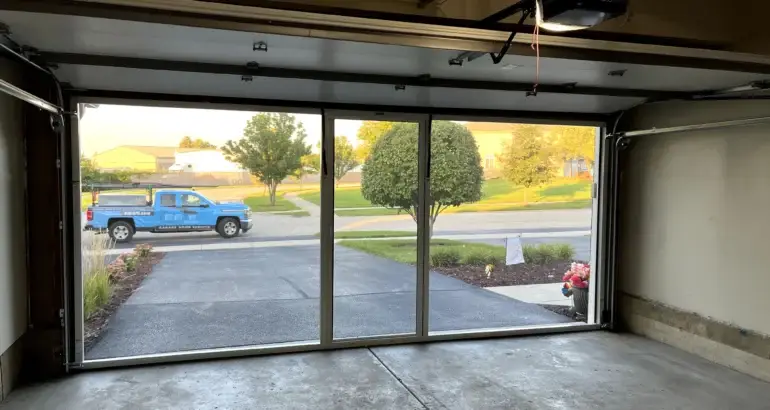
Keeping your garage door in safe, reliable working condition is essential for protecting your home and family. Many homeowners overlook regular maintenance, but a thorough checkup can prevent accidents, costly repairs, and unexpected breakdowns. By following a set of practical garage door safety inspection tips, you can spot issues early and ensure your system operates smoothly year-round.
This article covers essential steps for inspecting your garage door, from checking sensors and springs to lubricating moving parts. Whether you’re a new homeowner or simply want to boost your property’s safety, these recommendations will help you maintain peace of mind and avoid common hazards.
For a deeper understanding of how your system works, you might also want to review how garage door limit settings work to ensure your door opens and closes correctly.
Why Regular Garage Door Safety Checks Matter
Your garage door is the largest moving object in your home, and it’s used multiple times each day. Over time, wear and tear can affect its components, leading to malfunctions or even safety hazards. Routine inspections help you catch small problems before they become serious, reducing the risk of injury and extending the life of your door.
Neglecting maintenance can result in issues like doors reversing unexpectedly, failing to close fully, or stopping halfway. These problems can often be traced back to misaligned sensors, worn springs, or lack of lubrication. By following proven garage door safety inspection tips, you can address these concerns proactively.
Step-by-Step Guide to Inspecting Your Garage Door
1. Visual Inspection of Door Panels and Hardware
Start by examining the door panels for dents, cracks, or rust. Check the hinges, brackets, and fasteners to ensure everything is secure. Loose or damaged hardware can cause the door to operate unevenly or even fall off track.
2. Test the Balance and Alignment
Disconnect the automatic opener by pulling the release handle, then manually lift the door halfway. If it stays in place, the balance is correct. If it falls or rises, the springs may need adjustment. An unbalanced door puts extra strain on the opener and can be dangerous.
3. Inspect and Clean the Tracks
Examine the tracks on both sides for debris, dents, or misalignment. Clean them with a damp cloth and ensure they are straight. Misaligned tracks can cause the door to jam or operate noisily.
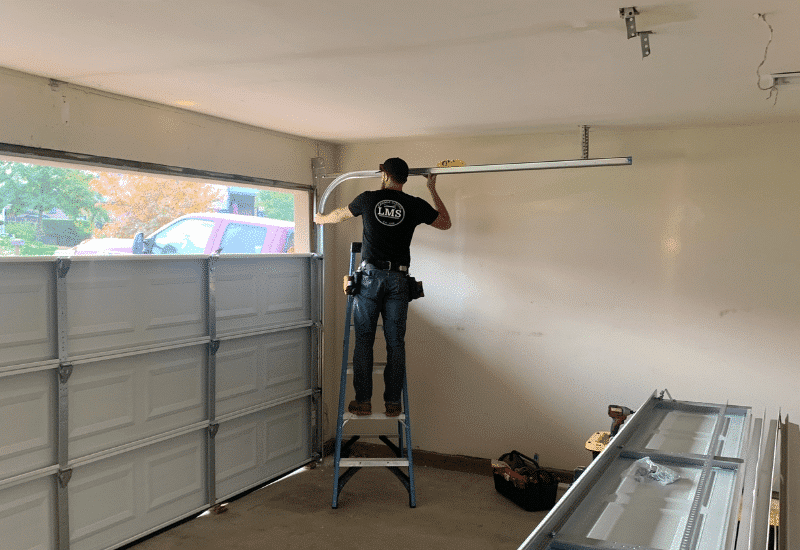
4. Check the Safety Sensors
Modern garage doors are equipped with photo-eye sensors that prevent the door from closing if something is in its path. Make sure the sensors are aligned and free of dirt. Test their function by placing an object in the door’s path—if the door doesn’t reverse, the sensors may need adjustment. For troubleshooting, see this garage door photo eye troubleshooting guide.
5. Test the Auto-Reverse Feature
Place a small block of wood on the ground where the door closes. Close the door using the opener. The door should automatically reverse when it touches the object. If it doesn’t, this critical safety feature needs immediate attention.
If your door reverses halfway or stops unexpectedly, you may want to read about the garage door reversing halfway safety feature for more details on what could be causing the issue.
6. Lubricate Moving Parts
Apply a garage door lubricant spray to the rollers, hinges, and springs. Avoid using grease, as it can attract dust and debris. Regular lubrication reduces friction, prevents squeaking, and extends the life of your door’s components.
7. Inspect the Springs and Cables
Look for signs of wear, rust, or fraying on the springs and cables. These parts are under high tension and can be dangerous to repair yourself. If you notice any damage, contact a professional technician for service.
8. Evaluate the Opener and Remote Controls
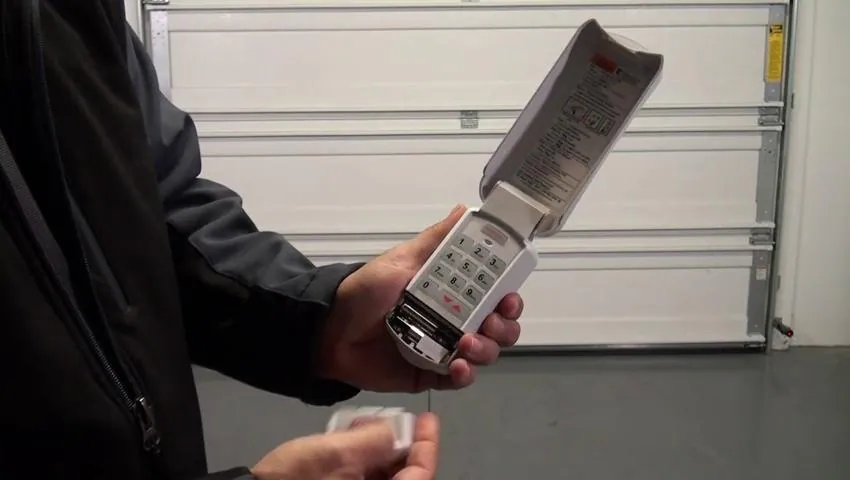
Test the opener’s response time and listen for unusual noises. Replace batteries in remote controls as needed. If your opener is outdated, consider upgrading to a model with enhanced safety features.
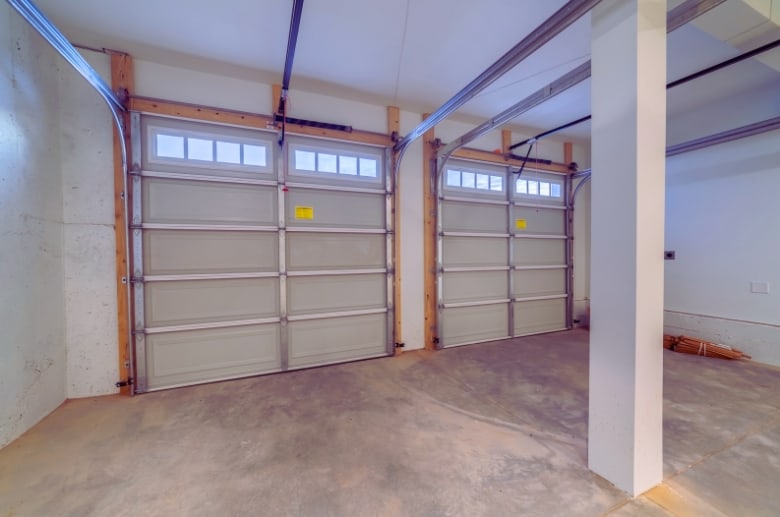
Common Issues Discovered During Garage Door Inspections
Even with routine care, certain problems can arise. Here are some frequent issues homeowners encounter:
- Noisy operation: Often caused by lack of lubrication or worn rollers.
- Door reverses or stops halfway: May indicate sensor misalignment, track obstructions, or spring problems. For more details, see this guide on why a garage door stops halfway.
- Slow response from opener: Could be due to electrical issues or an aging opener unit.
- Visible wear on cables or springs: These should be addressed by a professional to avoid accidents.
Addressing these concerns promptly helps prevent further damage and maintains the safety of your garage entryway.
How Often Should You Perform a Garage Door Safety Check?
Experts recommend conducting a basic inspection every month and a more thorough review at least twice a year. If you notice any unusual noises, jerky movements, or delayed responses, don’t wait—investigate the cause immediately.
For those interested in the technical side, learning about garage door limit switch explained can help you understand how your door knows when to stop moving.
Extra Safety Measures for Peace of Mind
In addition to regular inspections, consider these additional steps:
- Install a modern opener with rolling-code technology to prevent unauthorized access.
- Teach children about garage door safety and keep remotes out of reach.
- Test the manual release function so you know how to operate the door during power outages.
- Review how garage door sensors prevent accidents to ensure your system meets current safety standards.
Frequently Asked Questions
What are the most important safety features to check on a garage door?
Focus on the auto-reverse mechanism, photo-eye sensors, and the condition of springs and cables. These components are critical for preventing accidents and ensuring the door operates safely.
How can I tell if my garage door is unbalanced?
Disconnect the opener and lift the door manually. If it doesn’t stay halfway open or feels unusually heavy, the springs may be out of balance and should be adjusted by a professional.
Is it safe to repair garage door springs or cables myself?
No. Springs and cables are under high tension and can cause serious injury if handled improperly. Always call a qualified technician for repairs involving these parts.
How often should I lubricate my garage door?
Lubricate all moving parts, such as rollers, hinges, and springs, every six months or whenever you notice squeaking or stiffness.
Conclusion
Following these garage door safety inspection tips will help you maintain a secure and reliable entryway to your home. Regular checks, timely maintenance, and attention to safety features can prevent accidents and costly repairs. By staying proactive, you ensure your garage door continues to serve your household safely for years to come.