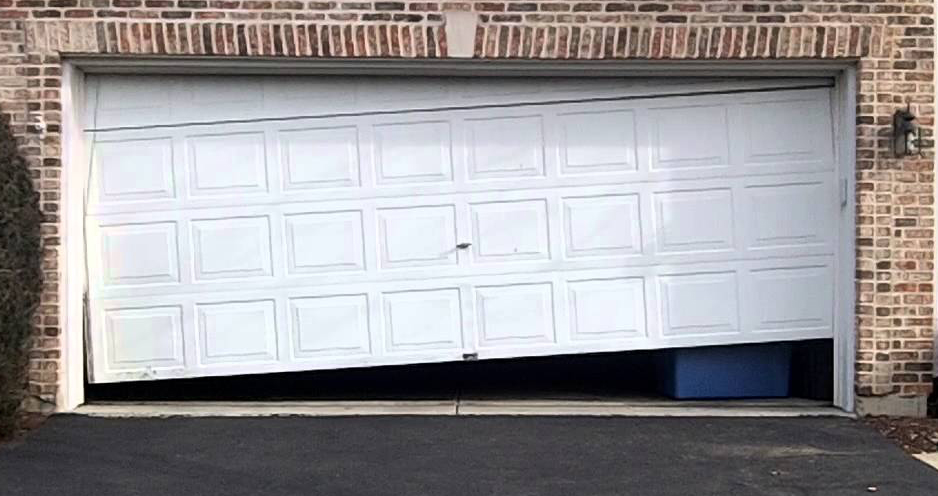
A garage door that stops midway can be a source of frustration and inconvenience. Whether you’re trying to leave for work or secure your home at night, a malfunctioning door disrupts your routine and may signal underlying issues that require prompt attention. Understanding the garage door stuck halfway causes is essential for effective troubleshooting and prevention.
This guide explores the most common reasons why a garage door might halt partway, how to spot the signs, and what steps you can take to resolve or prevent these problems. If you’re seeking reliable solutions, you’ll find practical advice here to help you get your garage door moving smoothly again.
For additional insights on troubleshooting and repairs, you can refer to this comprehensive guide on resolving garage doors that stop mid-cycle.
Understanding Why Your Garage Door Stops Midway
When a garage door halts before fully opening or closing, it’s often due to a combination of mechanical, electrical, or environmental factors. Recognizing the underlying reasons for a garage door stopping halfway is the first step toward a lasting fix.
- Obstructions or debris in the tracks
- Worn or damaged rollers
- Broken springs or cables
- Misaligned sensors
- Opener limit settings that need adjustment
- Electrical or remote control issues
Mechanical Issues That Cause Garage Doors to Get Stuck
Mechanical failures are among the most frequent garage door stuck halfway causes. These problems often develop over time due to wear and tear or lack of maintenance.
Track Obstructions and Alignment Problems
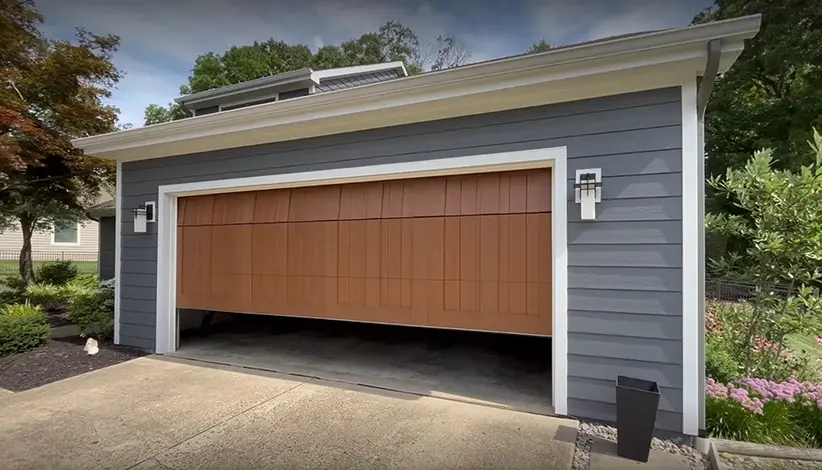
Dirt, stones, or other debris in the tracks can block the rollers, making it difficult for the door to move past a certain point. Additionally, if the tracks are bent or misaligned, the rollers may jam or pop out, causing the door to stop abruptly.
To identify this issue, visually inspect the tracks for any foreign objects or visible bends. Run your hand along the track (with the opener unplugged) to feel for dents or misalignments.
Roller and Hinge Wear
Over time, rollers and hinges can wear out or become damaged. When this happens, the door may not glide smoothly, causing it to get stuck. Listen for grinding or squeaking noises, which often indicate a need for lubrication or replacement.
Regularly lubricating moving parts with a dedicated garage door spray can extend their lifespan and prevent sticking.
Broken Springs or Cables
Torsion or extension springs provide the necessary force to lift heavy garage doors. If a spring breaks, the opener may struggle to move the door, resulting in it stopping halfway. Similarly, frayed or snapped cables can disrupt the door’s balance and movement.
If you notice a loud bang from the garage or see a hanging cable, it’s best to contact a professional for repairs, as these components are under high tension and can be dangerous to handle.
Electrical and Sensor-Related Stopping Points
Not all garage door halfway malfunctions are mechanical. Electrical issues and sensor misalignments are also common culprits.
Photo-Eye Sensor Misalignment
Modern garage doors use photo-eye sensors to detect obstructions. If these sensors are dirty, blocked, or misaligned, the opener may interpret this as an obstacle and stop the door for safety.
To check, look for blinking lights on the sensors or clean the lenses with a soft cloth. Ensure both sensors are facing each other and mounted at the same height.
Opener Limit and Force Settings
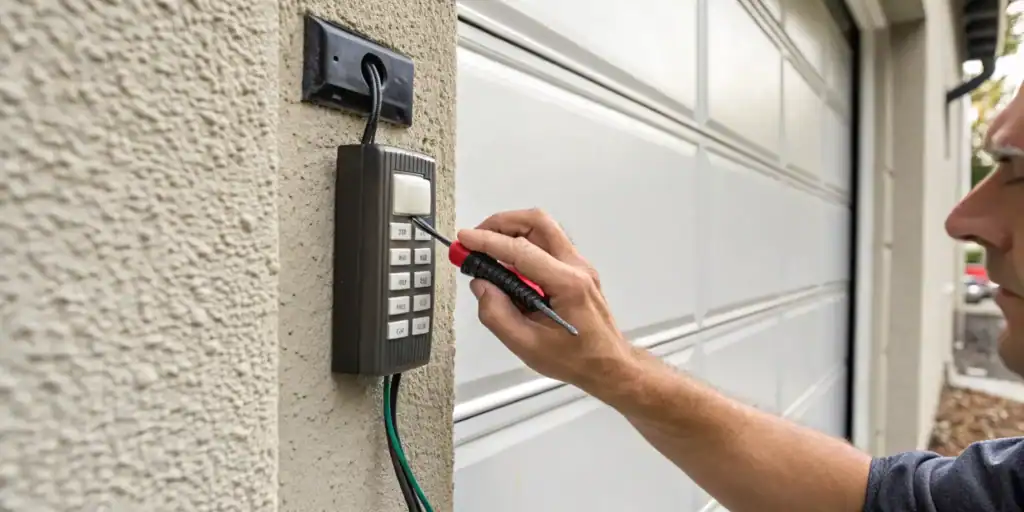
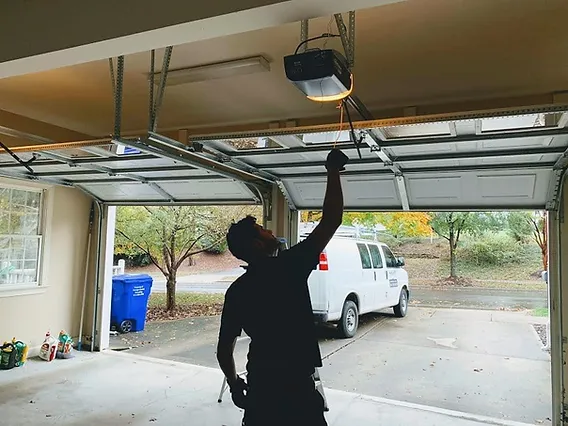
Garage door openers have adjustable limit and force settings that determine how far and how hard the door travels. If these are set incorrectly, the opener might stop the door before it reaches the fully open or closed position.
Consult your opener’s manual to adjust these settings. If you’re unsure, consider reaching out to a technician for help.
Remote Control and Power Supply Issues
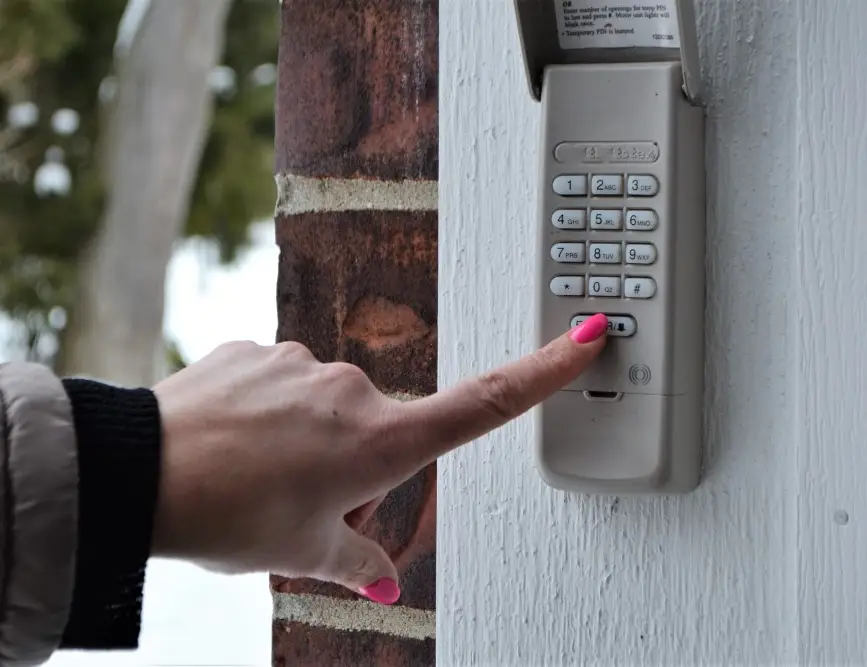
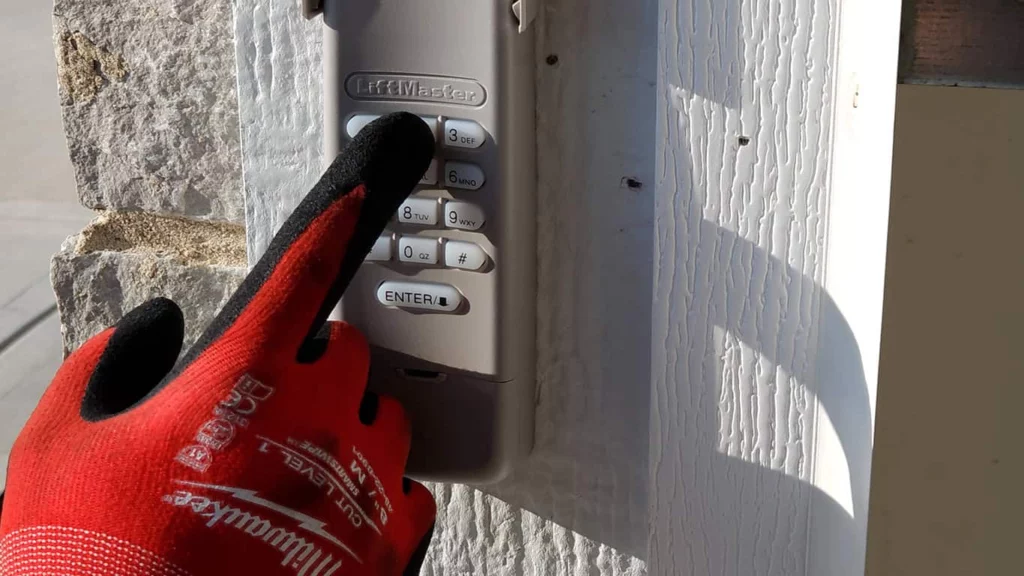
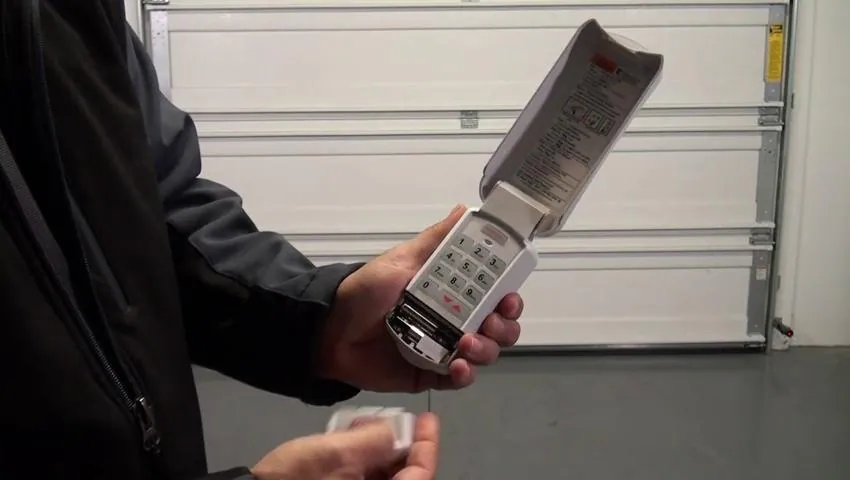
If the remote control battery is low or there’s an issue with the power supply, the opener may not receive the correct signal to complete the door’s movement. Try replacing the batteries or testing the wall switch to rule out these simple fixes.
How to Diagnose and Prevent Garage Door Sticking Problems
Identifying the root cause of a door that won’t move past halfway involves a systematic approach. Here’s a step-by-step process to help you pinpoint the problem:
- Disconnect the opener and try moving the door manually. If it’s still stuck, the issue is likely mechanical.
- Inspect tracks, rollers, and hinges for visible damage or debris.
- Check the springs and cables for signs of wear or breakage.
- Clean and realign the photo-eye sensors.
- Test the remote control and wall switch for responsiveness.
- Review and adjust the opener’s limit and force settings as needed.
Regular maintenance can prevent many garage door stuck halfway causes. Lubricate moving parts, keep tracks clean, and schedule professional inspections to catch problems early.
Frequently Asked Questions
What should I do first if my garage door stops halfway?
Start by checking for obvious obstructions in the tracks or around the door. Disconnect the opener and try moving the door manually to determine if the issue is mechanical or electrical. If the door moves freely by hand, the problem may be with the opener or sensors.
Can I fix a garage door that’s stuck halfway myself?
Some minor issues, like cleaning tracks or realigning sensors, can be handled by homeowners. However, repairs involving springs or cables should be left to professionals due to the risk of injury. Always consult your garage door manual and prioritize safety.
How often should I maintain my garage door to prevent sticking?
It’s recommended to lubricate moving parts every six months and visually inspect the door’s components monthly. Scheduling an annual professional inspection can help detect wear and tear before it leads to major problems.