High humidity can wreak havoc on your garage door’s smooth operation. When moisture levels rise, homeowners often notice their garage doors sticking, refusing to open or close properly, or even getting jammed halfway. These issues can be frustrating, especially if you rely on your garage for daily access. Understanding why a garage door stuck in humid conditions occurs and knowing how to address it will help you restore reliable function and prevent future problems.
This guide covers the most common causes, step-by-step solutions, and practical maintenance tips for dealing with garage doors that become unresponsive or difficult to operate during periods of high moisture. Whether you’re facing a door that won’t budge or one that moves sluggishly, you’ll find actionable advice here.

If you’ve noticed your garage door getting stuck halfway, especially after a humid night or rainy day, it’s worth exploring related issues like garage door halfway due to misaligned tracks. Addressing these underlying causes can help you avoid repeated problems and keep your garage accessible year-round.
Why Garage Doors Get Stuck When It’s Humid
Moisture in the air can affect several components of your garage door system. Here are the most common reasons for a garage door stuck in humid conditions:
- Swollen Wood: Wooden doors or frames can absorb moisture, causing them to swell and rub against other surfaces.
- Metal Expansion: Metal tracks and hardware may expand slightly, leading to tighter clearances and increased friction.
- Rust and Corrosion: Humid environments accelerate rust on springs, rollers, and hinges, making movement sluggish or uneven.
- Sticky Weatherstripping: Rubber or vinyl seals can become tacky and stick to the door or floor.
- Lubrication Breakdown: Excess moisture can wash away or degrade lubricants, leading to squeaks and sticking points.
Recognizing which of these factors is at play will help you target the right solution and restore your garage door’s performance.
Step-by-Step Solutions for a Stuck Garage Door in Humidity
If you’re dealing with a garage door that won’t open or close smoothly during muggy weather, follow these steps to diagnose and fix the issue:
1. Inspect the Tracks and Rollers
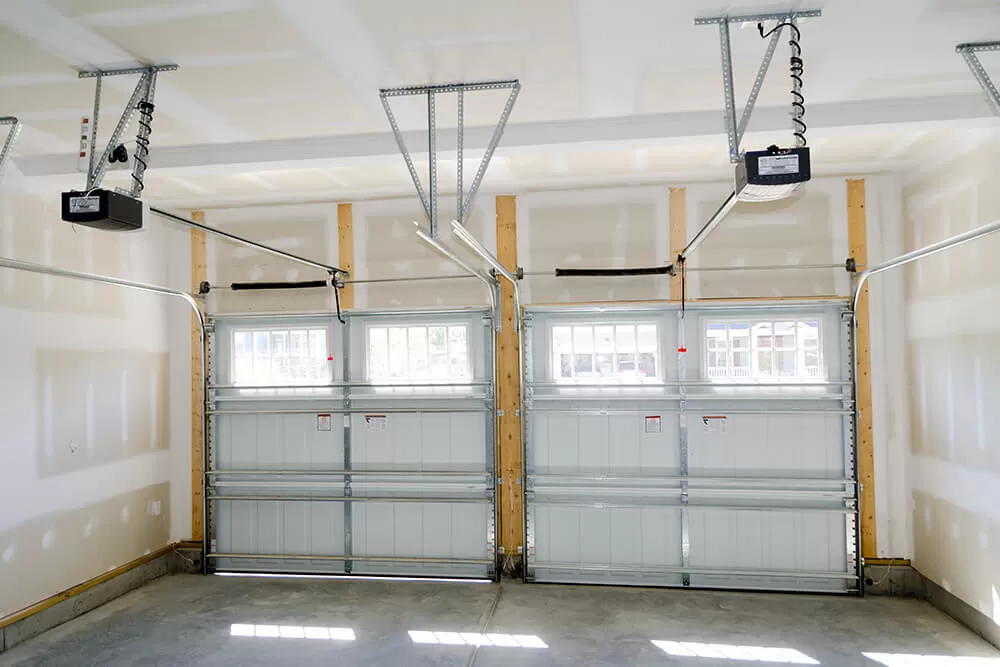
Begin by examining the tracks for any signs of rust, debris, or misalignment. Humidity can cause metal parts to expand or corrode, making the door stick or bind. Clean the tracks with a dry cloth and remove any buildup. If you notice the rollers are not moving freely, consider applying a garage door lubricant spray to reduce friction.
2. Check for Swollen or Warped Materials
If your door or frame is made of wood, inspect for signs of swelling or warping. Wood absorbs moisture and can expand, causing the door to stick against the frame or floor. In severe cases, you may need to sand down problem areas or adjust the door’s alignment. For ongoing issues, consider sealing or painting exposed wood to reduce moisture absorption.
3. Examine and Lubricate Moving Parts
Humidity can cause lubricants to break down, leading to increased friction and sticking. Apply a high-quality garage door lubricant to the rollers, hinges, tracks, and springs. Avoid using grease or oil that can attract more dust and debris. Regular lubrication is essential for smooth operation, especially in damp climates.
4. Address Sticky Weatherstripping
Weatherstripping along the bottom or sides of your garage door can become tacky and adhere to the floor or frame when it’s humid. Clean the seals with mild soap and water, then dry thoroughly. If the weatherstripping is damaged or excessively sticky, replace it with a new, high-quality seal.
5. Test the Opener and Safety Sensors
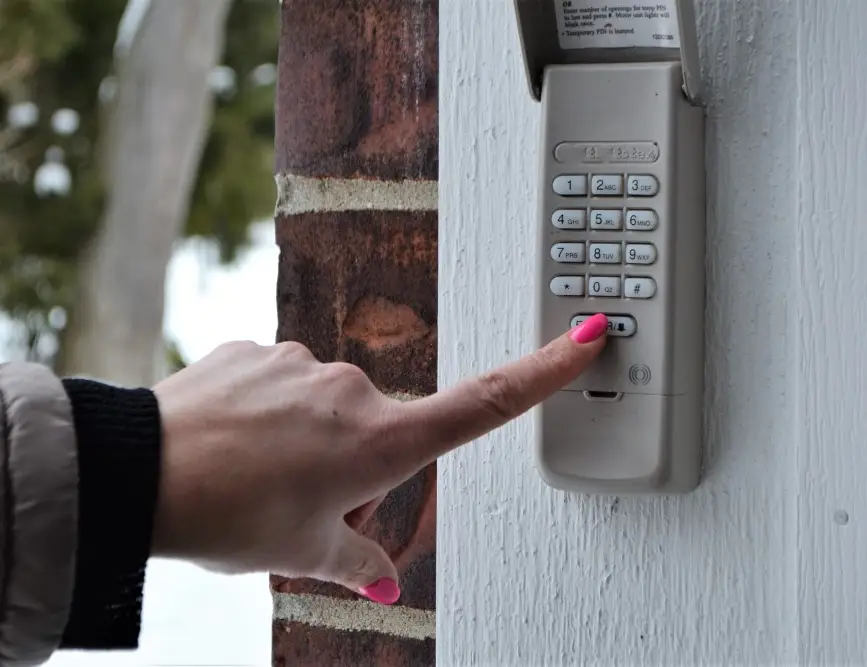
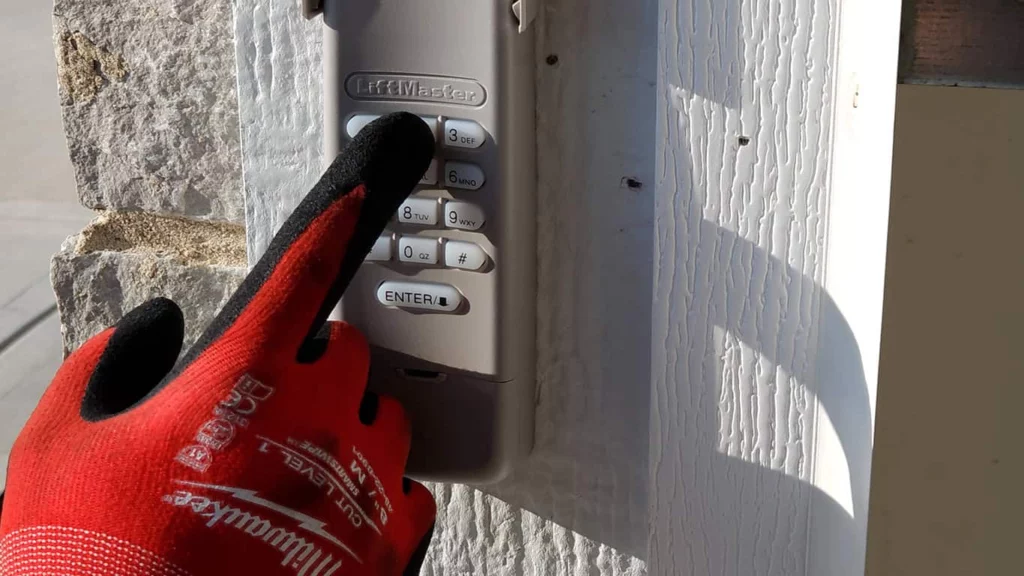
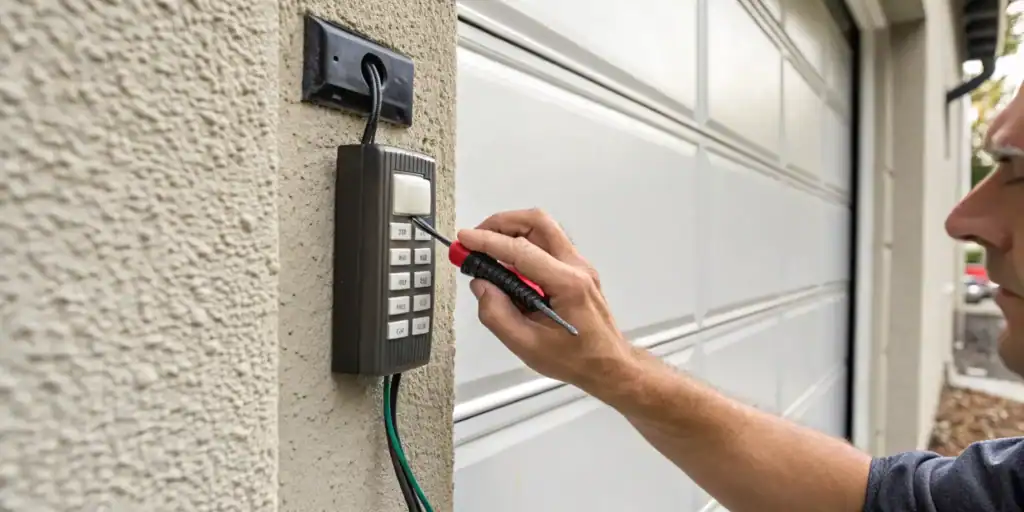
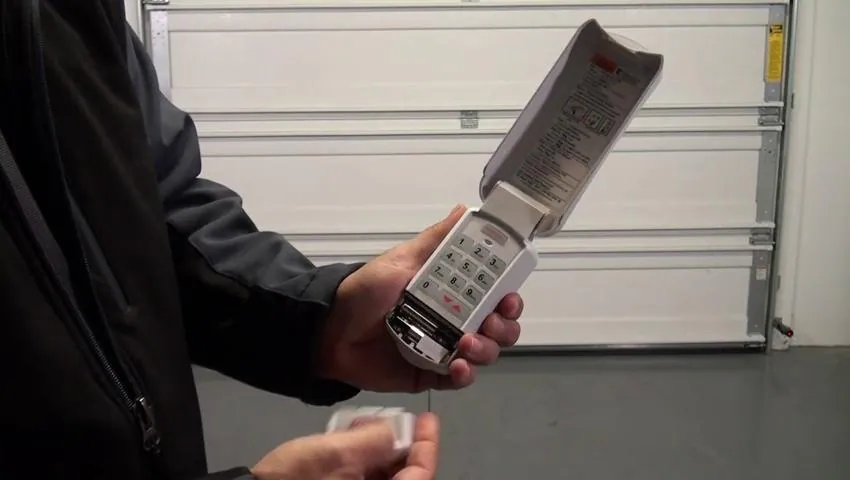
Sometimes, a garage door opener may struggle in humid conditions if electrical components are affected by moisture. Check the opener’s operation and ensure the safety sensors are clean and properly aligned. If you notice intermittent issues, consider upgrading to a modern opener designed to handle variable weather.
Preventing Garage Door Issues During Humid Weather
Taking proactive steps can minimize the risk of your garage door getting stuck when humidity spikes. Here are some maintenance tips:
- Regular Cleaning: Wipe down tracks and moving parts to remove dust and moisture.
- Consistent Lubrication: Apply lubricant every few months, especially before and during humid seasons.
- Seal and Paint Wood: Protect wooden doors and frames with weather-resistant paint or sealant.
- Replace Worn Parts: Swap out rusted or corroded rollers, hinges, and weatherstripping as needed.
- Monitor Opener Performance: Upgrade to a humidity-resistant opener if you experience frequent electrical issues.
For more tips on addressing related problems, such as garage door rollers sticking midway or how to fix garage door binding halfway, explore our in-depth repair guides.
When to Call a Professional
While many humidity-related garage door issues can be resolved with DIY maintenance, some situations call for expert help. If your door remains stuck despite cleaning and lubrication, or if you notice significant warping, broken springs, or electrical malfunctions, contact a qualified technician. Attempting complex repairs on your own can be dangerous, especially when dealing with high-tension springs or electrical components.
If you’re unsure about the cause of your garage door’s problems or need a professional assessment, many local service providers offer inspections and repairs tailored to humid environments. For more insight into why doors may reopen or fail to close fully, see this detailed explanation of garage door closing issues.
Related Troubleshooting Guides
Humidity is just one of several factors that can affect your garage door’s performance. If you’re experiencing other issues, these resources may help:
- Garage Door Chain Slipping Halfway: Causes and Fixes
- Garage Door Belt Tension Maintenance for Smooth Operation
Frequently Asked Questions
Why does my garage door only get stuck when it’s humid?
High humidity can cause wood to swell, metal parts to expand, and lubricants to degrade. These changes increase friction and can cause your door to stick or jam, especially if the door or its components are older or not regularly maintained.
What’s the best lubricant for garage doors in humid climates?
Use a silicone-based or lithium-based garage door lubricant spray. These products resist moisture and won’t attract dust, making them ideal for damp environments. Avoid using standard oils or greases, which can become sticky and worsen the problem.
Can I prevent my garage door from sticking during humid weather?
Yes. Regular cleaning, consistent lubrication, sealing wood surfaces, and replacing worn weatherstripping can all help prevent sticking. Upgrading to humidity-resistant hardware and openers also reduces the risk of future issues.