If you’ve ever pressed your garage door remote only to find the door stops short of closing all the way, you’re not alone. A garage door won’t close completely for a variety of reasons, ranging from simple obstructions to more complex mechanical or electrical issues. Understanding the root cause is key to resolving the problem quickly and safely, whether you’re a homeowner or a property manager.
In this guide, we’ll walk through the most common causes, step-by-step troubleshooting, and practical solutions you can try before calling in a professional. You’ll also find helpful tips for preventing future issues and learn when it’s time to seek expert help. For more insight into related problems, such as why a door might stop midway, check out the reasons garage door stops midway article.
Common Reasons Your Garage Door Stays Open
When a garage door refuses to shut fully, the underlying issue can often be traced to one of several typical culprits. Identifying the source is the first step toward a solution.
- Obstructed Safety Sensors: Modern doors use photo-eye sensors to detect objects in the path. Dirt, debris, or misalignment can prevent the door from closing.
- Travel Limit Settings: If the travel or close limit is set incorrectly, the door may stop before reaching the ground. Learn more about this in our guide on understanding garage door travel limits.
- Track or Roller Problems: Bent tracks or worn rollers can physically block the door’s movement.
- Remote or Wall Switch Issues: Weak batteries or faulty wiring can interfere with signals.
- Broken Springs or Cables: If these components fail, the door may not have enough force to close fully.
- Manual Lock Engaged: Some doors have a manual lock that, if engaged, will prevent closure.
Step-by-Step Troubleshooting for a Stuck Garage Door
Before calling for repairs, try these practical steps to diagnose and possibly fix the issue:
1. Inspect and Clean the Safety Sensors
The most common reason a garage door won’t close completely is a problem with the safety sensors. These are typically located near the bottom of the door tracks, facing each other.
- Check for dirt, spider webs, or debris on the sensor lenses. Gently clean them with a soft cloth.
- Ensure both sensors are aligned and the indicator lights are on. If one light is off or blinking, adjust the sensor until the light is steady.
- Make sure nothing is blocking the sensors’ path.
2. Examine the Door Tracks and Rollers
Any obstruction or damage to the tracks can cause the door to stop short. Inspect both sides for:
- Bent or misaligned tracks
- Accumulated debris or small objects
- Worn or broken rollers
If you spot minor debris, remove it. For bent tracks or damaged rollers, it’s best to consult a professional to avoid further damage.
3. Check the Travel Limit and Force Settings
If your door stops before hitting the floor or reverses unexpectedly, the travel or force settings may need adjustment. These settings tell the opener how far to move the door and how much force to use.
- Consult your opener’s manual for instructions on adjusting the travel limit screws or dials.
- Make small adjustments and test the door after each change.
- If you’re unsure, see our resource on how to reset garage door travel limit.
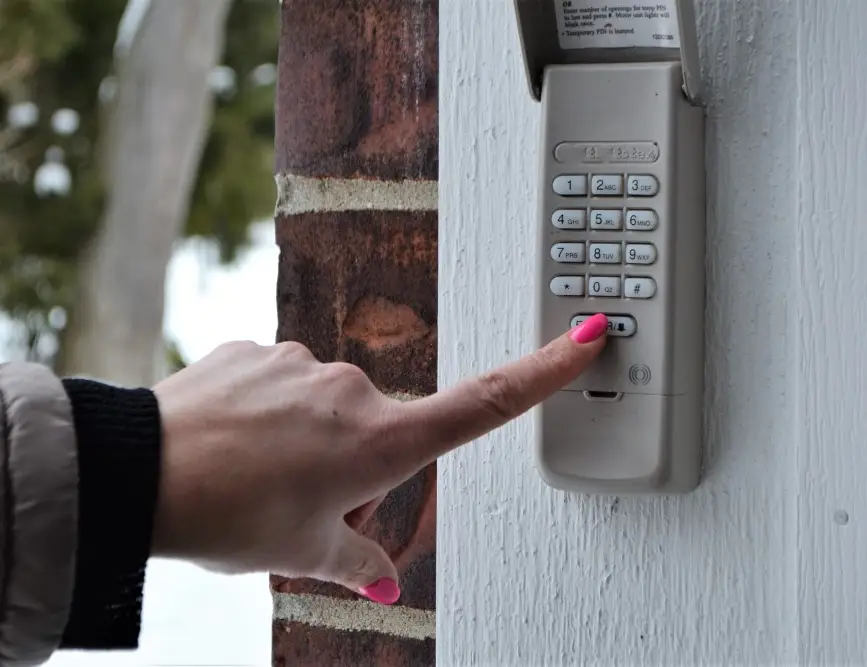
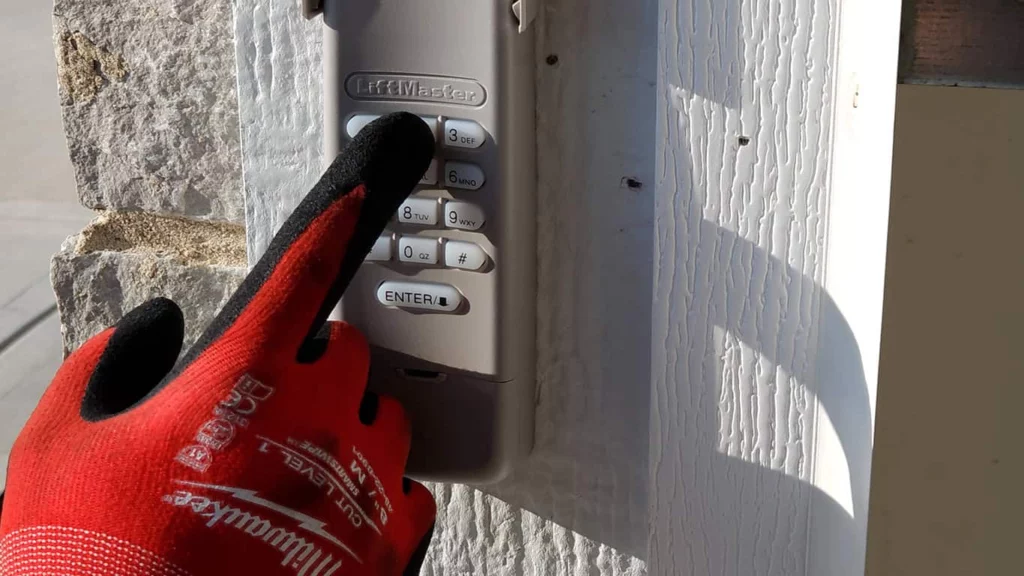
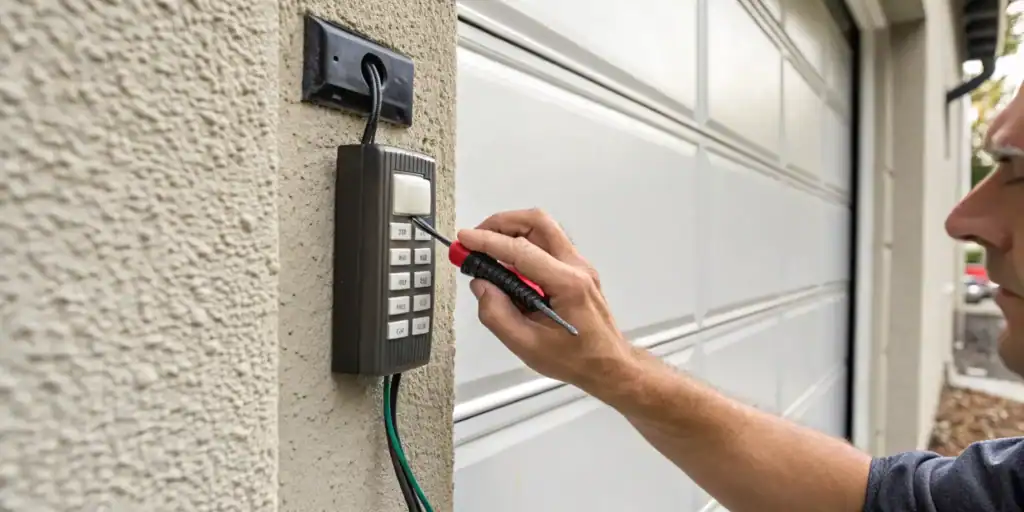
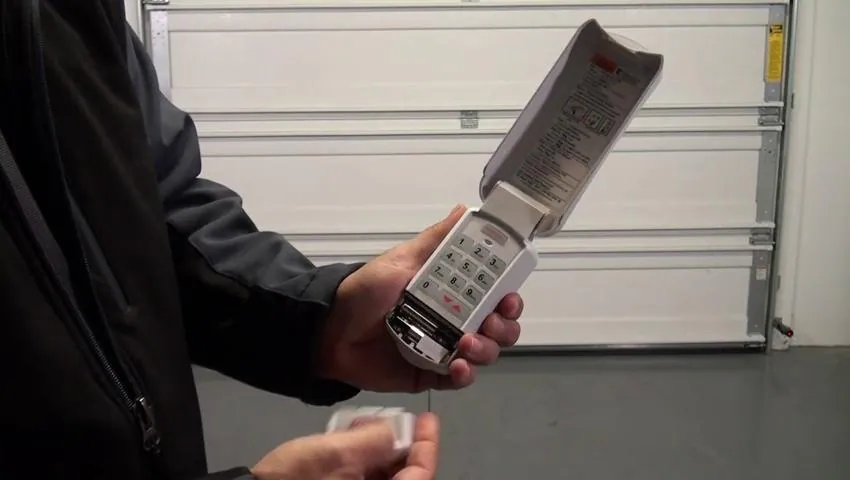
4. Test the Remote, Wall Switch, and Power Source
Sometimes, the problem is as simple as a dead battery or a tripped circuit breaker.
- Replace the remote batteries and try again.
- Test the wall switch to rule out remote issues.
- Check the opener’s power source and reset the breaker if needed.
5. Inspect Springs, Cables, and Manual Locks
Broken springs or cables can make the door heavy and difficult to move, while a manual lock can prevent closure altogether.
- Look for visible gaps or breaks in the springs or cables.
- Ensure the manual lock (if present) is disengaged.
- Never attempt to repair springs or cables yourself—these are under high tension and can be dangerous.
Preventing Future Garage Door Closing Problems
Regular maintenance can help you avoid recurring issues with your garage door not closing fully. Here are some practical tips:
- Clean and align sensors monthly to prevent false triggers.
- Lubricate moving parts like rollers, hinges, and tracks with a high-quality spray. This reduces friction and wear.
- Inspect tracks and hardware for signs of damage or rust.
- Test the auto-reverse feature by placing a small object in the door’s path. The door should reverse immediately upon contact.
- Schedule annual professional inspections to catch issues early.

When to Call a Professional for Garage Door Repairs
While many closing issues can be resolved with basic troubleshooting, some problems require the expertise of a trained technician. Contact a professional if:
- The door is crooked, off-track, or making loud grinding noises.
- You suspect broken springs, cables, or pulleys.
- Adjustments to travel limits or force settings don’t resolve the issue.
- There are electrical or wiring problems beyond simple fixes.
Attempting complex repairs yourself can be hazardous and may void warranties. For a deeper understanding of why doors might reverse or stop, see our article on what causes garage door to reverse halfway.
Programming and Upgrading Your Garage Door Opener
If your opener is outdated or malfunctioning, upgrading to a modern unit can improve reliability and safety. For step-by-step instructions, refer to this guide on programming a garage door opener. Newer models often feature enhanced safety sensors, smartphone integration, and quieter operation.
Related Issues and Further Reading
Sometimes, a door that won’t close fully is part of a broader pattern of halfway or intermittent operation. For more troubleshooting tips and solutions, explore our detailed post on the common causes of garage door halfway issue.
Frequently Asked Questions
Why does my garage door stop and reverse before closing?
This is often due to misaligned or dirty safety sensors, or an obstruction in the door’s path. It can also result from incorrect travel or force settings. Regular cleaning and alignment of sensors usually resolve the issue.
Can I adjust the travel limit myself?
Yes, most garage door openers allow you to adjust travel limits using screws or dials on the motor unit. Always make small adjustments and test after each change. If you’re unsure, consult your opener’s manual or see our resource on resetting garage door travel limits.
Is it safe to repair garage door springs on my own?
No, garage door springs are under high tension and can cause serious injury if handled improperly. Always contact a qualified technician for spring or cable repairs.
How often should I lubricate my garage door?
Lubricate moving parts such as rollers, hinges, and tracks every six months or as recommended by your manufacturer. Use a high-quality garage door lubricant spray for best results.