If your garage door won’t move past halfway, it can be both inconvenient and concerning. This common issue can stem from a variety of mechanical, electrical, or environmental factors. Understanding the root cause is essential for a safe and effective fix. Whether your door stops abruptly, reverses, or simply refuses to budge beyond the midpoint, this guide will help you diagnose and resolve the problem step by step.
Addressing a stuck garage door promptly can prevent further damage and ensure your home’s security. In many cases, homeowners can troubleshoot and resolve the issue themselves, but knowing when to call a professional is equally important. For those dealing with related concerns, such as garage door halfway due to misaligned tracks, targeted solutions are also available.
Common Reasons Your Garage Door Stops Midway
Several factors can cause a garage door to halt before reaching its fully open or closed position. Identifying the underlying issue is the first step toward a solution. Here are the most frequent culprits:
- Obstructions or debris on the tracks
- Misaligned or bent tracks
- Worn or damaged rollers
- Broken or weak springs
- Limit switch settings that need adjustment
- Malfunctioning opener or electrical issues
- Lack of lubrication causing excessive friction
Each of these issues requires a specific approach, which we’ll cover in detail below. For more on track-related problems, see our guide on how to fix garage door binding halfway.
Initial Safety Precautions Before Troubleshooting
Before inspecting or repairing your garage door, always prioritize safety:
- Disconnect the opener from power to prevent accidental activation.
- If possible, operate the door manually using the emergency release cord.
- Wear gloves and safety glasses to protect your hands and eyes.
- Never attempt to adjust or repair torsion springs unless you are trained, as they are under high tension.
Step-by-Step Troubleshooting for a Door Stuck Midway
Follow these steps to systematically diagnose and fix a garage door that won’t move past the halfway point:
1. Check for Physical Obstructions and Debris
Inspect the tracks for any objects, dirt, or buildup that could block the rollers. Even small debris can prevent smooth movement. Remove any obstacles and wipe down the tracks with a clean cloth.
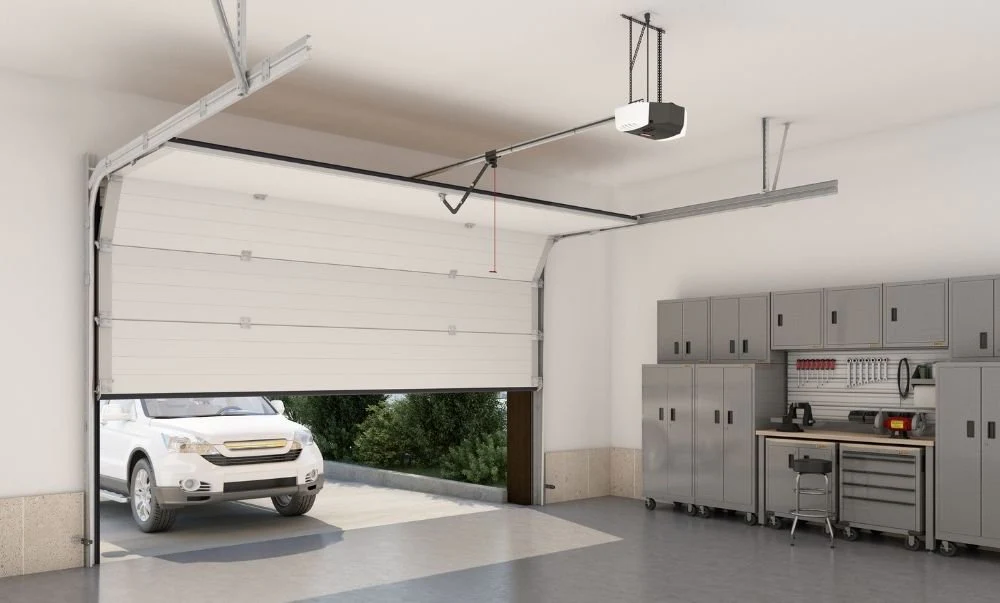
2. Inspect Tracks and Rollers for Alignment Issues
Misaligned or bent tracks can cause the door to jam. Check for gaps between the rollers and the track, or any visible bends. If you spot misalignment, gently tap the track back into place with a rubber mallet. For persistent alignment problems, refer to our article on garage door halfway due to misaligned tracks.
Also, examine the rollers for signs of wear or damage. Replace any rollers that are cracked, flat, or not spinning freely.
3. Examine the Springs and Cables
Springs provide the necessary force to lift the door. If a spring is broken or weakened, the opener may not have enough power to move the door past halfway. Look for gaps in torsion springs or loose cables. If you suspect a spring issue, contact a professional for repair.
4. Adjust the Opener’s Limit Switches
The limit switches on your garage door opener control how far the door travels. If set incorrectly, the door may stop prematurely. Consult your opener’s manual to locate the adjustment screws, usually labeled “up” and “down.” Make small adjustments and test the door after each change.
5. Lubricate Moving Parts
Lack of lubrication can cause excessive friction, making it difficult for the door to move smoothly. Apply a high-quality garage door lubricant to the rollers, hinges, and tracks. Avoid using grease, as it can attract dirt and debris.

6. Test the Opener and Remote Controls
Electrical issues or faulty remotes can also cause the door to stop. Test the wall switch and all remotes. If the problem persists, unplug the opener for a minute, then plug it back in to reset the system. If the issue remains, the opener may need repair or replacement.
7. Consider Chain or Belt Tension Problems
If your opener uses a chain or belt drive, improper tension can lead to operational issues. Too much slack or excessive tightness can cause the door to stop or bind. For maintenance tips, see our resource on garage door belt tension maintenance.
When to Call a Professional Garage Door Technician
While many garage door issues can be resolved with basic troubleshooting, some problems require expert attention. Contact a professional if:
- You suspect a broken spring or cable
- The door is off its tracks or severely misaligned
- There are electrical faults or opener malfunctions you cannot resolve
- Repeated attempts to fix the issue have failed
Attempting complex repairs without proper training can be dangerous. For persistent issues, a qualified technician can ensure safe and reliable operation.
Preventive Maintenance Tips for Smooth Garage Door Operation
Regular maintenance can help prevent your garage door from getting stuck in the future:
- Inspect and clean the tracks monthly
- Lubricate rollers, hinges, and springs every few months
- Check for loose hardware and tighten as needed
- Test the balance of the door by disconnecting the opener and lifting the door manually—it should stay open halfway without assistance
- Schedule annual professional inspections for older systems
For more detailed fixes on related issues, you can review our article on garage door rollers sticking midway.
Additional Resources and Expert Advice
If you’re still unsure why your garage door halts before fully opening or closing, consult your owner’s manual or seek further guidance from trusted sources. For a comprehensive breakdown of common causes and solutions, visit this detailed article on why garage doors stop halfway.
Frequently Asked Questions
Why does my garage door reverse after stopping halfway?
This often indicates a problem with the safety sensors or an obstruction in the door’s path. Check for misaligned sensors, debris, or anything blocking the door. If the sensors are dirty or out of alignment, clean and reposition them.
Can I fix a garage door that won’t move past halfway myself?
Many causes, such as debris on the tracks or incorrect limit settings, can be addressed by homeowners. However, repairs involving springs, cables, or major alignment should be handled by professionals due to safety risks.
How often should I lubricate my garage door?
Lubricate all moving parts, including rollers, hinges, and springs, every three to six months. Regular lubrication reduces friction and helps prevent operational issues.
What should I do if my garage door opener makes noise but the door doesn’t move?
This could indicate a problem with the drive mechanism, such as a broken chain or belt, or a stripped gear. Inspect the opener and consult a technician if you’re unable to identify or fix the issue.