For many homeowners, a garage door keypad is a small but essential part of daily convenience and security. These devices allow you to open and close your garage door without a remote or key, simply by entering a code. But what exactly makes them work, and why are they so important for modern homes? Understanding the mechanics behind garage door keypads can help you use them more effectively, troubleshoot common issues, and decide if upgrading or replacing your keypad is the right move.
In this article, we’ll break down how garage door keypads work, the technology behind them, and the reasons they’re a valuable addition to your home. We’ll also touch on common problems, maintenance tips, and security considerations so you can make the most of your keypad system.
If you’re facing issues with your garage door not opening all the way or suspect mechanical resistance, you might find this guide on garage door halfway mechanical resistance helpful for troubleshooting related problems.
Understanding the Basics: What Is a Garage Door Keypad?
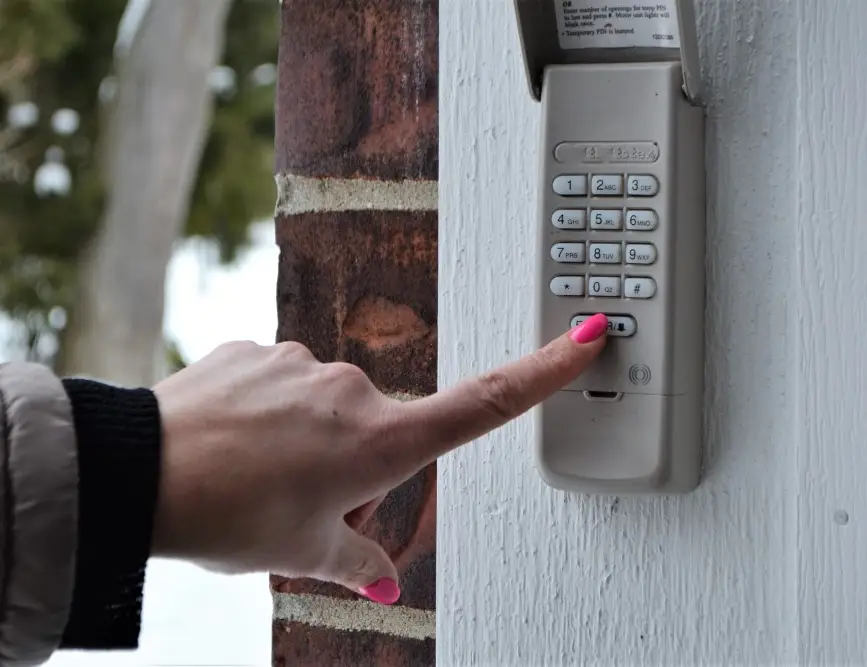
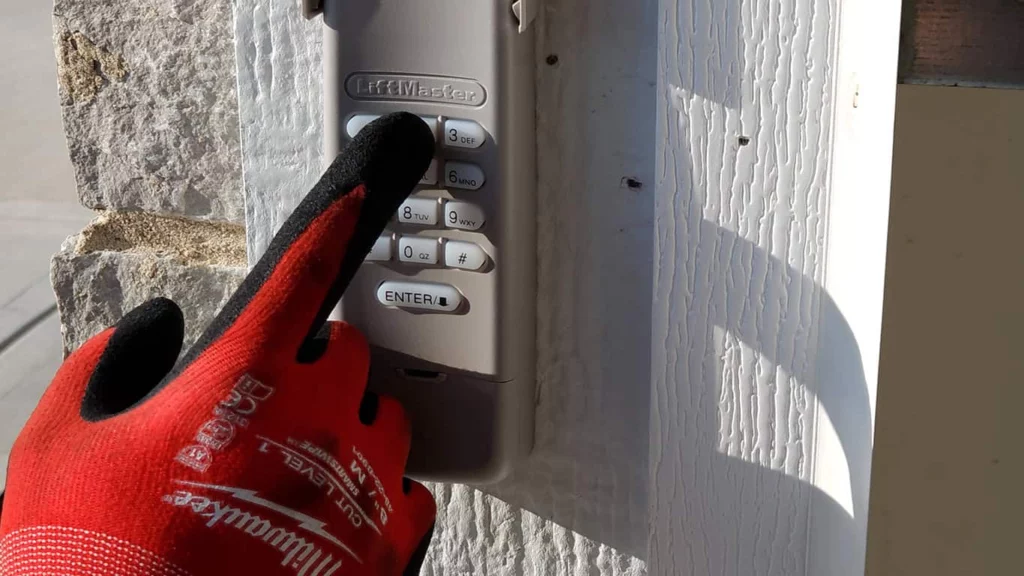
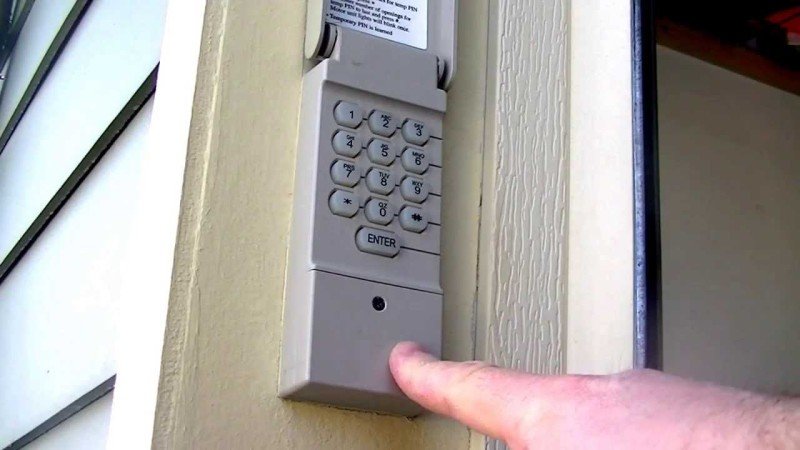
A garage door keypad is a wall-mounted device, typically installed just outside your garage. It allows authorized users to open or close the garage door by entering a numeric code. This eliminates the need for physical keys or remote controls, providing a convenient and secure way to access your garage.
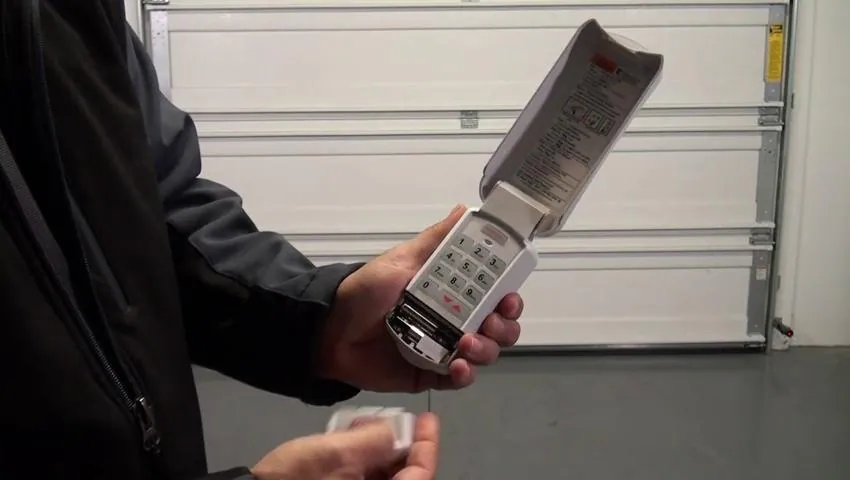
Most keypads are wireless and battery-powered, making installation straightforward. They communicate with your garage door opener using radio frequency (RF) signals, much like a remote control, but with the added security of a PIN code.
How Garage Door Keypads Work: The Technology Behind the Code
The operation of a garage door keypad relies on a combination of wireless communication and secure access protocols. Here’s a closer look at the process:
- Inputting the Code: When you enter your PIN on the keypad, the device verifies the code against its programmed memory.
- Signal Transmission: If the code is correct, the keypad sends an encrypted RF signal to the garage door opener’s receiver unit inside the garage.
- Door Activation: The opener receives the signal, verifies it, and triggers the motor to open or close the door.
Modern keypads use rolling code technology, which changes the signal each time the keypad is used. This prevents code grabbing and replay attacks, making unauthorized access much more difficult.
Key Features and Benefits of Using a Garage Door Keypad
There are several reasons why homeowners choose to install a keypad for their garage door opener:
- Convenience: No need to carry a remote or key—just remember your code.
- Family Access: Multiple people can enter the garage without needing extra remotes.
- Temporary Codes: Many models allow you to set temporary PINs for guests, service providers, or deliveries.
- Enhanced Security: Rolling code technology and programmable PINs help prevent unauthorized entry.
- Weather Resistance: Most keypads are designed to withstand outdoor conditions.
For those interested in a deeper dive into the technology and options available, this comprehensive guide to garage door opener keypads covers essential features and tips for choosing the right model.
Programming and Setting Up Your Keypad
Setting up a garage door keypad is typically a straightforward process. Most units come with clear instructions, but the general steps are:
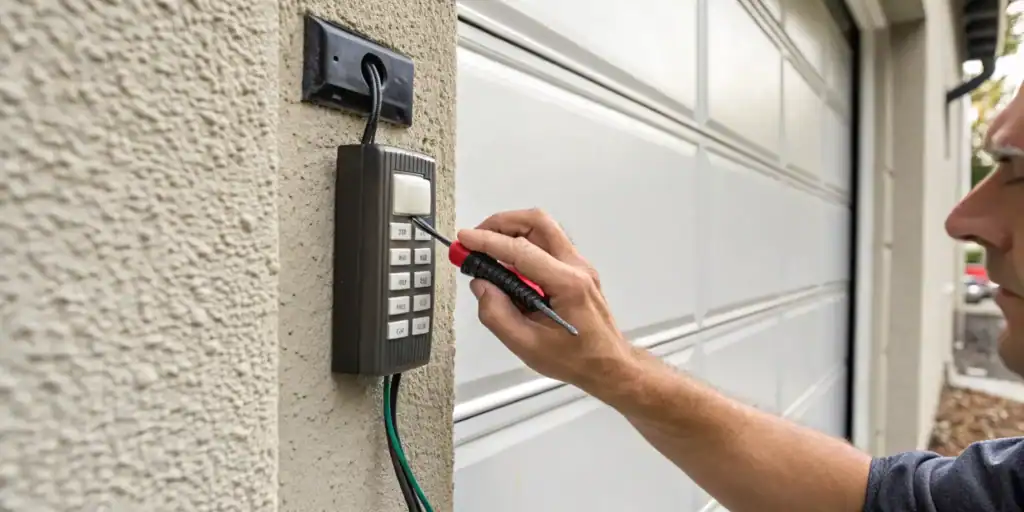
- Install the Keypad: Mount the device near your garage door, usually at a height that’s easy to reach.
- Program the Code: Follow the manufacturer’s instructions to set your primary PIN. This usually involves pressing a “learn” button on your garage door opener and entering the code on the keypad.
- Test the System: Enter your code to ensure the door opens and closes as expected.
- Set Temporary Codes (Optional): Some models allow you to program guest codes that expire after a set time or number of uses.
If you encounter issues during setup, check the battery, ensure the keypad is within range of the opener, and verify that you’re following the correct sequence for your model.
Common Problems and Troubleshooting Tips
Like any electronic device, garage door keypads can experience occasional problems. Here are some of the most common issues and their solutions:
- Keypad Not Responding: Replace the battery and check for corrosion on the battery contacts.
- Code Not Working: Reprogram the keypad and ensure you’re entering the correct PIN.
- Intermittent Operation: Check for signal interference from other wireless devices or nearby metal objects.
- Weather Damage: Inspect the keypad for water ingress or physical damage, especially after storms.
Regular maintenance, such as cleaning the keypad and replacing batteries annually, can help prevent many of these issues. For more on keeping your garage door system running smoothly, see this article on garage door halfway maintenance frequency.
Security Considerations for Garage Door Keypads
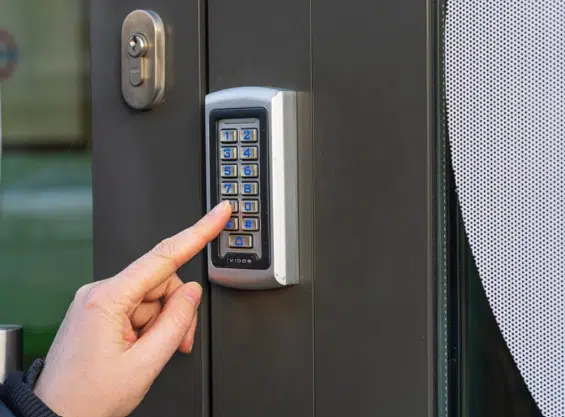
While keypads offer convenience, they also introduce potential security risks if not properly managed. Here are some best practices to keep your system secure:
- Choose a Strong PIN: Avoid simple codes like “1234” or your address. Use a unique combination that’s hard to guess.
- Change Codes Regularly: Update your PIN periodically, especially if you’ve shared it with guests or service providers.
- Enable Rolling Code Technology: Most modern keypads have this feature by default, but confirm with your manufacturer.
- Monitor for Tampering: Check your keypad for signs of forced entry or damage.
If you notice your garage door behaving unpredictably or not responding to the keypad, it may be a sign of mechanical issues or signal interference. For troubleshooting, you can refer to this resource on garage door halfway issue due to tension loss.
When to Replace or Upgrade Your Garage Door Keypad
Over time, keypads can wear out or become outdated. Consider replacing your unit if you experience frequent malfunctions, the buttons become unresponsive, or your system lacks modern security features like rolling codes or temporary PINs.
Upgrading to a newer model can improve both convenience and safety. Many new keypads are compatible with smart home systems, allowing you to control your garage door remotely from your phone or integrate with voice assistants.
FAQ
Can I install a garage door keypad myself?
Yes, most keypads are designed for DIY installation. You’ll need basic tools and should follow the manufacturer’s instructions. The process typically involves mounting the keypad, programming your code, and syncing it with your opener.
What should I do if I forget my keypad code?
If you forget your code, you can reset the keypad by following the instructions in your user manual. This usually involves pressing the “learn” button on the opener and entering a new code on the keypad.
Are garage door keypads weatherproof?
Most keypads are built to withstand rain, snow, and temperature changes. However, extreme weather can still cause damage over time, so periodic inspection and maintenance are recommended.
Can I use multiple keypads with one garage door opener?
Many openers support multiple keypads or a combination of keypads and remotes. Check your opener’s compatibility before adding extra devices.
How often should I change my keypad battery?
It’s best to replace the battery once a year or whenever you notice reduced responsiveness. Always use the recommended battery type for your model.