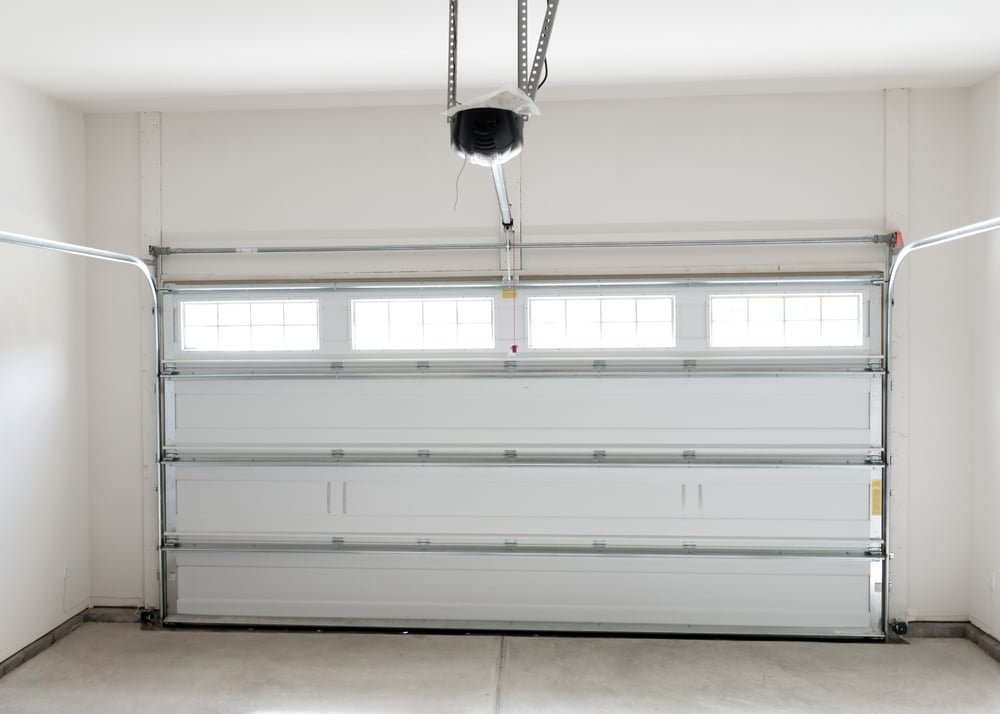
A misaligned garage door track can cause noisy operation, uneven movement, or even prevent your door from opening and closing properly. Learning how to adjust garage door tracks safely is essential for maintaining smooth performance and avoiding costly repairs. With the right approach and a focus on safety, you can correct minor alignment issues and extend the life of your garage door system.
Before starting any adjustments, it’s important to understand the structure of your garage door tracks and recognize when professional help is needed. This guide will walk you through the process step by step, highlight common mistakes, and provide tips for keeping your tracks in top condition.
If you notice unusual sounds or your garage door gets stuck halfway, you may want to refer to the garage door noise halfway issue resource for additional troubleshooting tips before proceeding with track adjustments.
Understanding Garage Door Track Alignment
Garage door tracks are the metal rails that guide the rollers as the door opens and closes. Proper alignment ensures that the door moves smoothly without binding, scraping, or coming off the track. Over time, tracks can shift due to vibration, impact, or loose hardware, leading to operational problems.
Signs that your tracks may need adjustment include:
- The door rubs or sticks during movement
- Visible gaps between the rollers and the track
- Unusual noises such as grinding or squeaking
- The door appears crooked or uneven when closed
Addressing these issues promptly can help prevent further damage and keep your garage door functioning safely.
Essential Safety Precautions for Track Adjustment
Working with garage doors involves risks due to the weight of the door and the tension in the springs. To adjust garage door tracks safely, always follow these precautions:
- Disconnect the automatic opener to prevent accidental activation
- Ensure the door is fully closed before starting any adjustments
- Wear safety glasses and gloves to protect against debris and sharp edges
- Use sturdy ladders and tools designed for garage door maintenance
- If you encounter resistance or suspect spring issues, stop and consult a professional
For a comprehensive routine, consider following a garage door maintenance checklist to keep all components in good working order.
Step-by-Step Guide: Adjusting Garage Door Tracks
The process for correcting track alignment is straightforward but requires attention to detail. Here’s how to perform the adjustment accurately:
- Inspect the Tracks: Check for bends, dents, or obstructions. Clean the tracks using a soft cloth or brush. For detailed cleaning instructions, see how to clean garage door tracks.
- Loosen the Mounting Bolts: Use a socket wrench to slightly loosen the bolts that secure the tracks to the door frame. Do not remove them completely.
- Adjust the Track Position: Gently tap the track with a rubber mallet to align it so that it is parallel to the door and the rollers sit snugly within the track. There should be a small, even gap between the track and the door—usually about the thickness of a nickel.
- Tighten the Bolts: Once the track is properly aligned, tighten the mounting bolts securely. Avoid overtightening, which can distort the track.
- Repeat on the Other Side: Perform the same steps on the opposite track, ensuring both sides are symmetrical.
- Test the Door: Reconnect the opener and operate the door several times to confirm smooth movement. Listen for unusual sounds and observe the door’s travel.
Common Mistakes and How to Avoid Them
Even with careful attention, some errors can occur during track adjustment. Here are frequent pitfalls and how to prevent them:
- Overtightening Bolts: This can warp the track, leading to binding or roller derailment. Tighten bolts just enough to hold the track securely.
- Ignoring Track Cleanliness: Dirt and debris can cause misalignment and noisy operation. Regular cleaning is essential.
- Misjudging Track Spacing: The track should not be pressed tightly against the door; a small gap is necessary for smooth movement.
- Neglecting Roller Condition: Worn or damaged rollers can mimic track misalignment. Inspect and replace rollers as needed.
- Skipping Safety Steps: Failing to disconnect the opener or secure the door can result in injury.
For more advice on preventing operational issues, review tips on how to prevent garage door jamming and keep your system running smoothly.
Maintaining Proper Track Alignment Over Time
After you’ve corrected the alignment, ongoing maintenance is key to ensuring long-term performance. Here’s how to keep your tracks in optimal condition:
- Inspect tracks monthly for signs of shifting, wear, or damage
- Lubricate rollers and hinges with a garage door lubricant spray to minimize friction
- Tighten loose hardware as needed
- Check for obstructions or debris and clean tracks regularly
- Monitor door operation and address any unusual noises promptly
If you experience recurring issues, such as the door closing halfway and reopening, you may find additional insights in this guide on garage door closing problems.

When to Call a Professional for Track Issues
While many track alignment problems can be resolved with basic tools and careful attention, some situations require expert intervention:
- The tracks are severely bent or damaged
- The door is extremely heavy or difficult to move
- You notice frayed cables or damaged springs
- Repeated misalignment occurs despite adjustments
- You are unsure about any step in the process
Attempting complex repairs without proper training can be dangerous. When in doubt, contact a qualified garage door technician to ensure your safety and the longevity of your door system.
Frequently Asked Questions
What tools do I need to adjust garage door tracks?
You’ll typically need a socket wrench, a rubber mallet, a level, and safety gear such as gloves and glasses. For cleaning, a soft brush or cloth is recommended.
How often should I check my garage door tracks for alignment?
Inspect your tracks at least once a month, or whenever you notice unusual noises or movement. Regular checks help catch minor issues before they become major problems.
Can I adjust tracks on all types of garage doors?
Most residential sectional doors with standard tracks can be adjusted using these steps. However, specialty doors or those with unique mechanisms may require different procedures or professional assistance.
What should I do if my door still won’t close properly after adjusting the tracks?
If alignment doesn’t resolve the issue, check for worn rollers, damaged springs, or problems with the opener. You may also want to review the why garage door works manually but not automatically article for further troubleshooting.