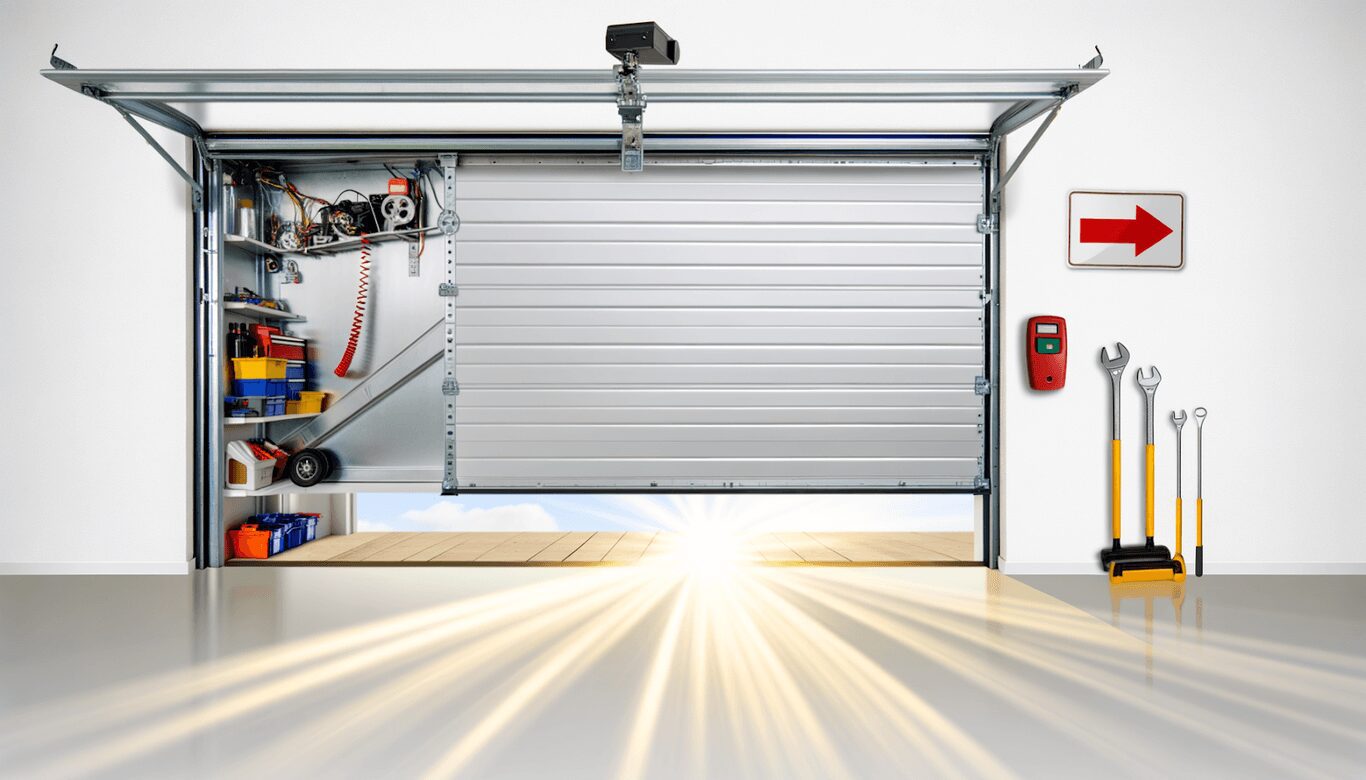
Maintaining a garage door is an essential responsibility for every homeowner, ensuring it operates smoothly and lasts for many years. One of the common issues that can affect the lifespan and functionality of your garage door is corrosion. The primary focus of this article is to provide guidance on how to check garage door for corrosion so you can take timely action to prevent damage and ensure your garage door remains in optimal condition.
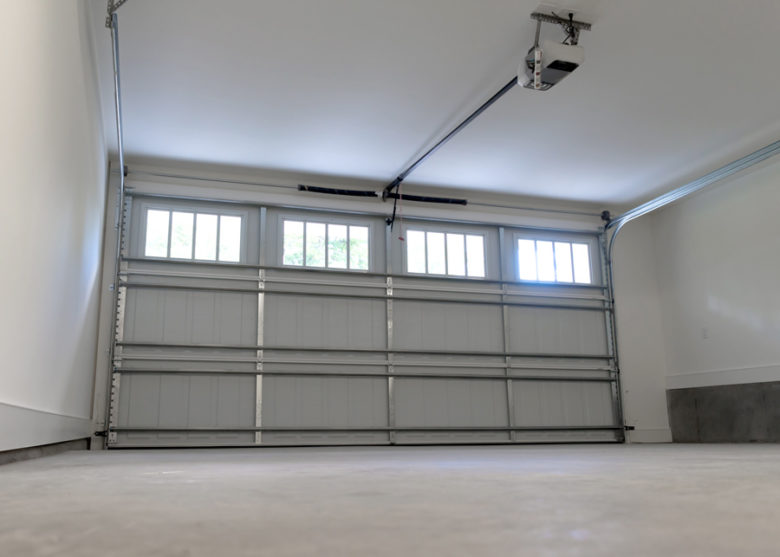
Understanding Corrosion and Its Impact
Corrosion is the gradual destruction of materials, usually metals, due to chemical reactions with their environment. For a garage door, this often means rusting, which can weaken the structure and lead to operational failures. Understanding the nature of corrosion is the first step in combating it effectively.
What Causes Corrosion on Garage Doors?
Several factors contribute to the corrosion of garage doors, including exposure to moisture, salt, and changing weather conditions. These elements can accelerate the rusting process, especially in coastal areas where salt content in the air is high. Regular exposure to rain and snow also contributes significantly to the problem.
Identifying Signs of Corrosion
Early detection of corrosion is crucial for preventing extensive damage. Homeowners should regularly inspect their garage doors for any signs of rust or discoloration. Pay close attention to hinges, springs, and other metal components.
Visual Inspection Steps
1. Begin by examining the surface of the garage door for any rust spots or discoloration. 2. Check the edges and corners, as these areas are more prone to moisture accumulation. 3. Inspect metal components like hinges, springs, and rollers for any signs of rust.
Using a Magnet for Detection
One effective method for identifying corrosion is to use a magnet. If the magnet sticks to certain areas with difficulty, it might indicate the presence of rust beneath the surface.
Preventive Measures Against Corrosion
Preventing corrosion involves regular maintenance and protective measures. Applying a fresh coat of paint or a rust-inhibiting primer can significantly reduce the risk of corrosion.
Regular Cleaning and Maintenance
Keep your garage door clean by washing it with mild soap and water. This removes dirt and contaminants that can accelerate corrosion.
Lubrication of Moving Parts
Ensure that all moving parts are well-lubricated. This not only helps in smooth operation but also reduces the chances of rust formation.
When to Seek Professional Help
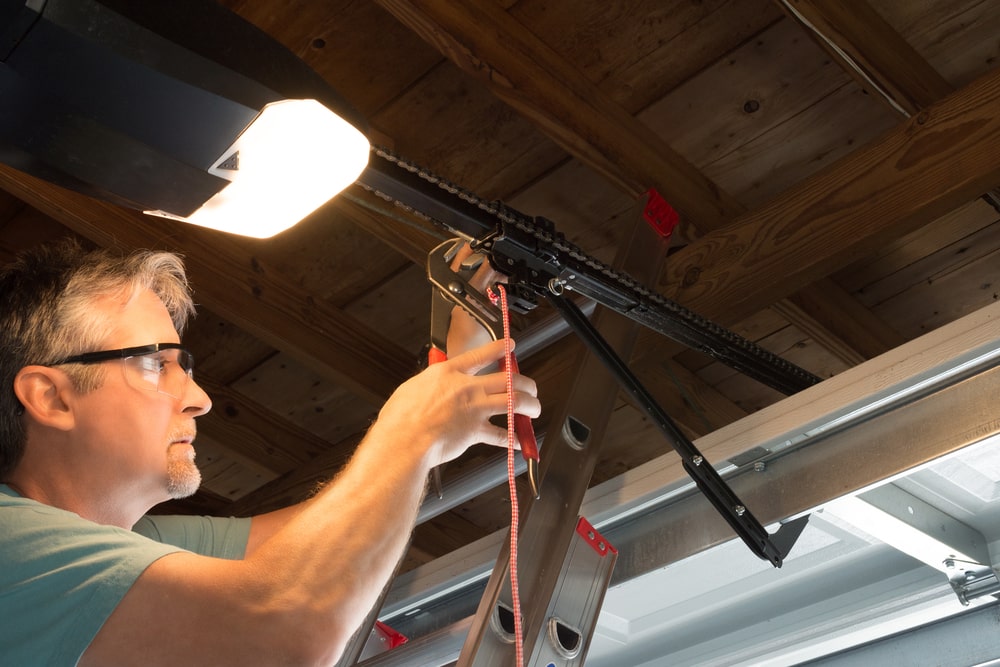
While regular maintenance can prevent most corrosion issues, some signs might require professional intervention. If you notice extensive rusting or structural damage, it’s advisable to consult a professional.
Benefits of Professional Inspection
A professional inspection can identify potential problems that might not be visible to the untrained eye. Professionals can also provide advice on the best preventive measures for your specific garage door type.
Choosing the Right Professional Service
When selecting a professional service, ensure they have experience with garage doors and a good reputation. Consider reading reviews and asking for recommendations.
FAQs About Garage Door Corrosion
What is the most common cause of garage door corrosion?
The most common cause of garage door corrosion is exposure to moisture and salt, especially in coastal regions.
Can I repair corroded garage door parts myself?
While minor rust spots can be handled at home, significant corrosion should be addressed by professionals to avoid further damage.
How often should I check my garage door for corrosion?
It’s advisable to check your garage door for corrosion at least twice a year, ideally before and after winter.
For further detailed guidance, you can visit tips for inspecting your garage door correctly. Additionally, for a more in-depth look at garage door maintenance, explore this guide on garage door bearings.
This article contains affiliate links. We may earn a commission at no extra cost to you.