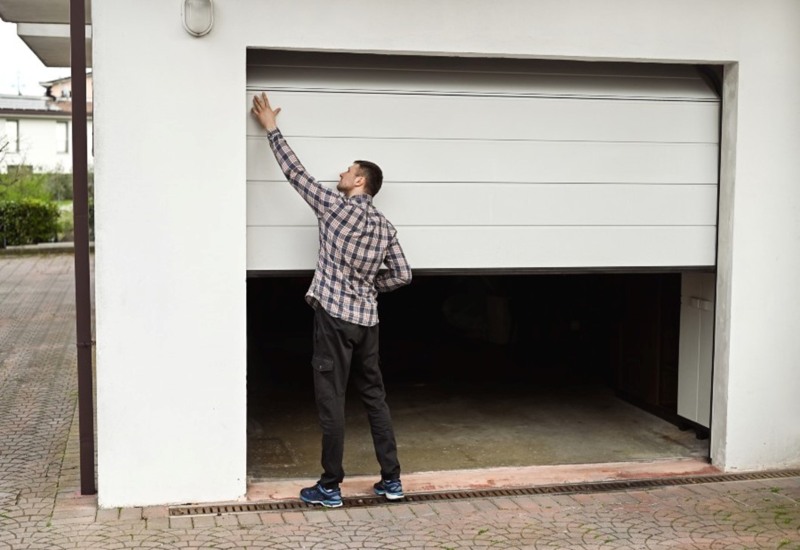
When you think about home maintenance, the garage door might not be the first thing that comes to mind. However, regularly inspecting your garage door for rust is important. Rust not only affects the appearance of your garage door but can also compromise its functionality and safety. This article will guide you through how to check garage door for rust effectively to ensure it remains in top condition.
Why is Rust a Problem?
Rust is more than just an unsightly blemish on your garage door. Over time, it can weaken the metal components, causing parts to fail. This can lead to operational issues, safety hazards, and costly repairs. Homeowners should be proactive in identifying and addressing rust as early as possible.
How to Check for Rust on Your Garage Door
Visual Inspection
Begin by visually inspecting the exterior and interior of your garage door. Look for any signs of discoloration, flaking paint, or reddish-brown patches that are indicative of rust.
Feel the Surface
Run your hand over the surface of the garage door to detect rough or uneven areas. Rust can cause the surface to feel gritty or bumpy.
Check Moving Parts
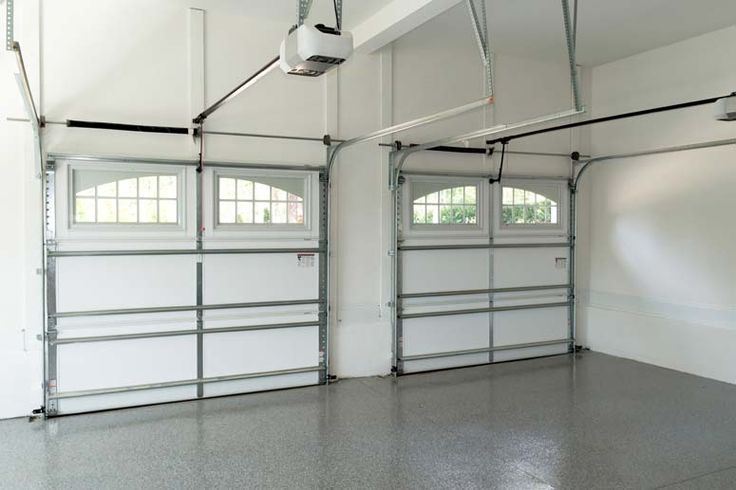
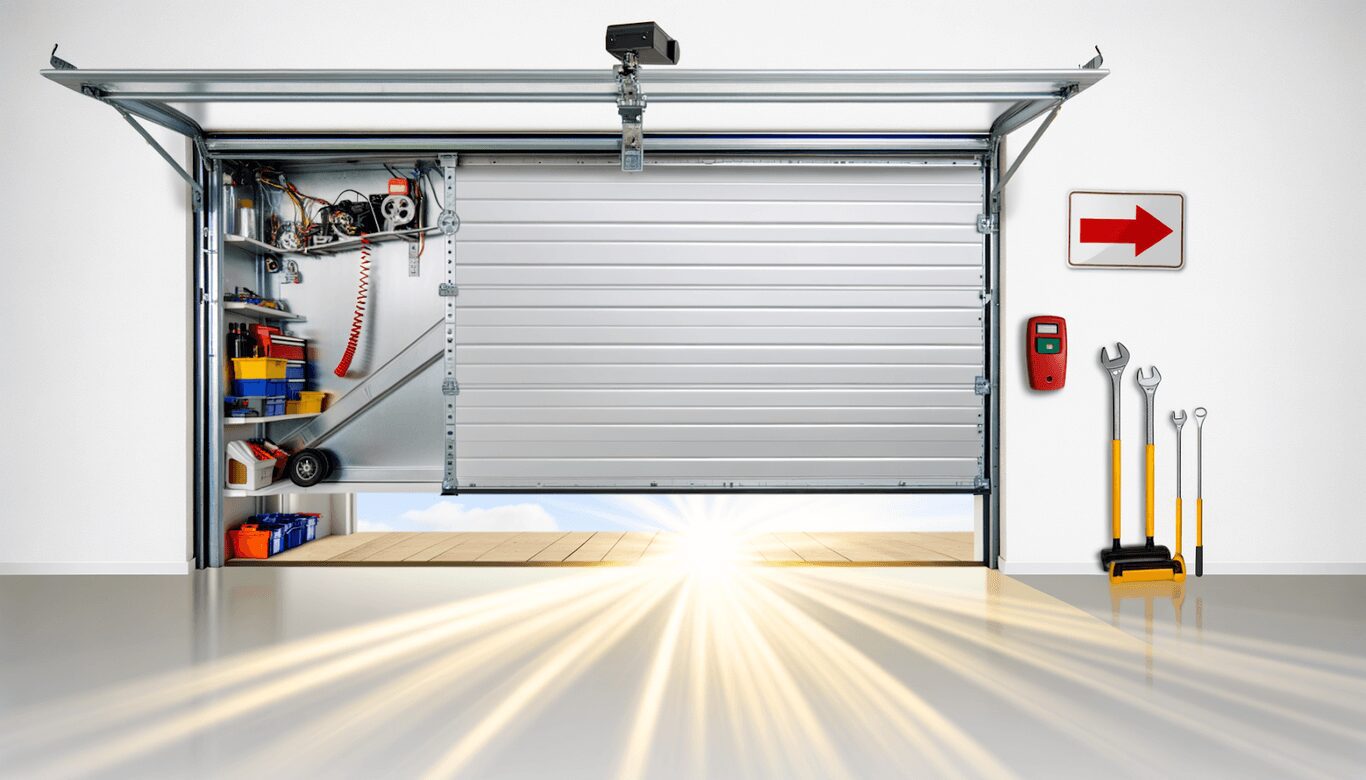
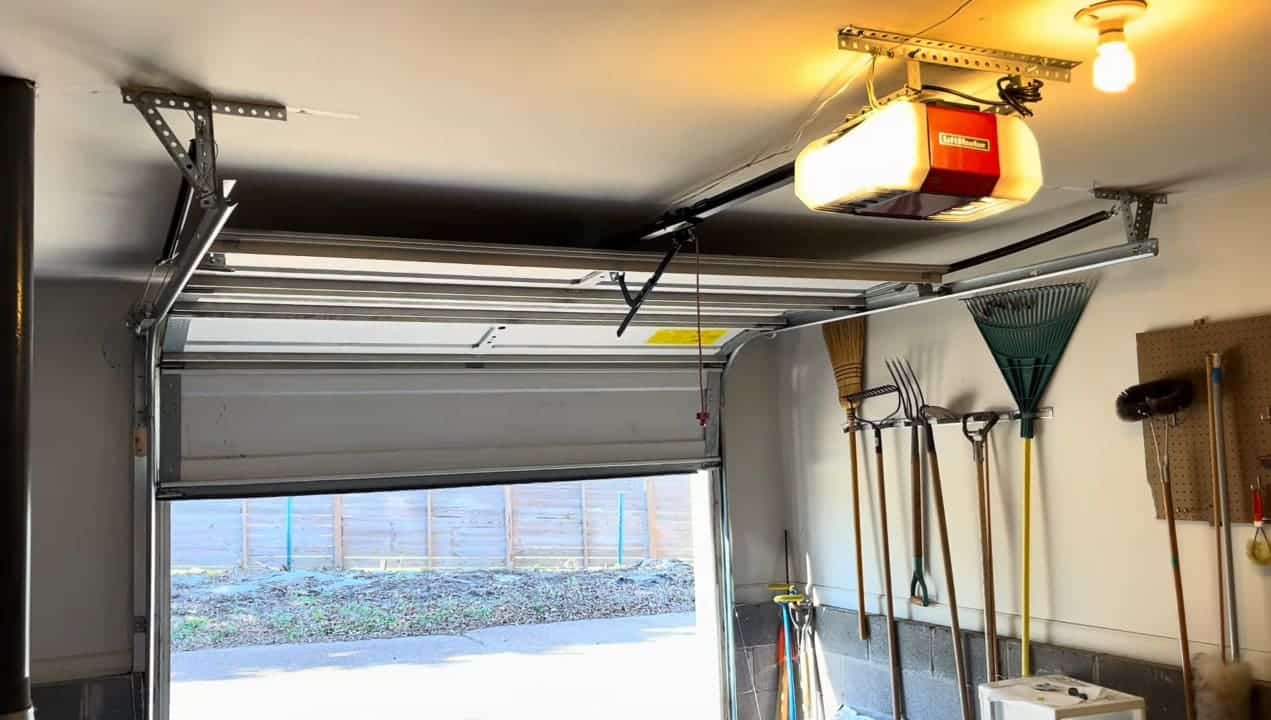
Inspect the hinges, springs, and other moving parts for rust. These components are crucial for the smooth operation of your garage door. Garage door inspection signs can help you identify issues early.
Inspect the Bottom Edge
The bottom edge of the garage door is particularly susceptible to rust due to its proximity to water and moisture from the ground. Make sure to examine this area thoroughly.
Tools You’ll Need for Inspection
- Flashlight for a detailed view
- Cloth or sponge to wipe surfaces
- Wire brush for removing surface rust
Steps to Take if You Find Rust
Remove Surface Rust
Use a wire brush to gently remove any loose rust from the surface. This will help prevent further corrosion.
Apply Rust Converter
Once the surface is clean, apply a rust converter to the affected areas. This chemical solution will transform rust into a protective coating.
Paint Over the Area
After the rust converter has dried, paint over the area with a rust-resistant paint. This adds an extra layer of protection against future rust development.
Prevention Tips
Regular Cleaning
Clean your garage door regularly to remove dirt and moisture, which can contribute to rust formation. Garage door weather seal can help keep moisture out.
Lubricate Moving Parts
Use a lubricant on the hinges and springs to prevent rust and ensure smooth operation. This simple step can significantly extend the life of your garage door.
Inspect Regularly
Set a schedule to inspect your garage door at least twice a year. This proactive approach will help you catch any issues early. For more tips, check out tips for inspecting your garage door.
Professional Help
If you’re unsure about handling rust issues yourself, consider hiring a professional. They can provide a thorough inspection and address any concerns you may have. Learn more about professional garage door inspections.
Conclusion
Understanding how to check garage door for rust is essential for any homeowner. Regular inspections and proper maintenance can extend the life of your garage door and prevent costly repairs. By following these guidelines, you’ll ensure that your garage door remains functional and looking great for years to come.
FAQ
How often should I check my garage door for rust?
You should inspect your garage door for rust at least twice a year, ideally before winter and after spring.
What should I do if I find extensive rust?
If you find extensive rust, consider consulting a professional to assess the damage and recommend repairs.
Can I use regular paint for covering rust?
It is recommended to use rust-resistant paint to cover rust after applying a rust converter for better protection.
This article contains affiliate links. We may earn a commission at no extra cost to you.