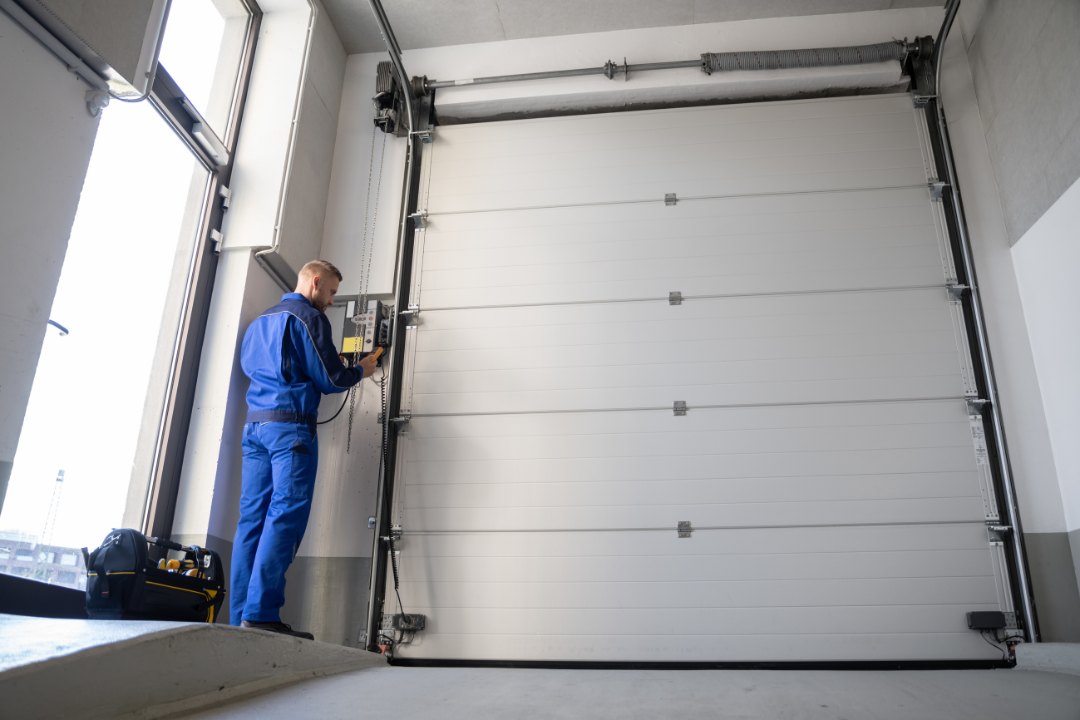
As a homeowner, maintaining the comfort and energy efficiency of your home is a top priority. One often overlooked aspect of this is the garage door insulation. Knowing how to check garage door insulation can save you money on energy bills and improve the overall comfort of your home. This article will guide you through the process, ensuring you get the most out of your garage door insulation.

Understanding the Importance of Garage Door Insulation
Garage doors cover a large area of your home, and without proper insulation, they can be a significant source of heat loss. Insulated garage doors help maintain a stable temperature, reducing the workload on your HVAC system and contributing to lower energy costs. Additionally, they provide added benefits such as noise reduction and increased durability.
Types of Garage Door Insulation
Polystyrene Insulation
This type of insulation is similar to a foam board and is known for its lightweight properties. It is easy to install and provides a moderate level of insulation.
Polyurethane Insulation
Polyurethane is a more advanced option, offering higher insulation values due to its dense and expansive properties. It fills the entire space within the door, providing superior thermal resistance.
Signs Your Garage Door Insulation Needs Checking
Before you learn how to check garage door insulation, it’s important to recognize the signs that indicate a need for inspection:
- Increased energy bills
- Fluctuating temperatures in adjacent rooms
- Visible wear or damage to the door
- Excessive noise from the garage
Step-by-Step Guide on How to Check Garage Door Insulation
Visual Inspection
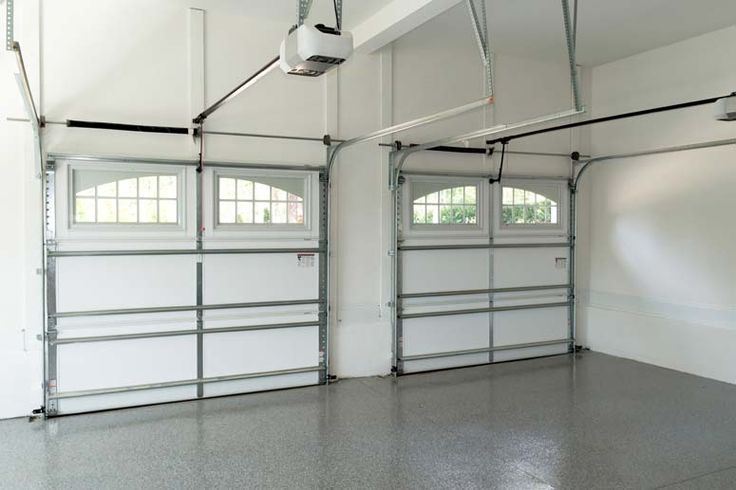
Begin by conducting a visual inspection of your garage door. Look for any visible damage, gaps, or wear in the insulation material. Check the edges and corners, as these are common areas where insulation can deteriorate.
Thermal Imaging
If you have access to a thermal imaging camera, use it to identify cold spots on your garage door. This will help you pinpoint areas where insulation may be lacking. For more on maintaining garage security and insulation, check out garage security tips.
Check the R-Value
The R-value is a measure of thermal resistance. The higher the R-value, the better the insulation. Check the specifications of your garage door to ensure it meets the recommended R-value for your region.
Improving Your Garage Door Insulation
Seal Gaps and Cracks
Use weatherstripping or caulking to seal any gaps or cracks around your garage door. This prevents air leakage and enhances the overall insulation.
Upgrade Your Insulation
Consider upgrading to a door with higher quality insulation if your current setup is inadequate. For example, switching from polystyrene to polyurethane can significantly improve efficiency.
Maintaining Your Garage Door Insulation
Regular maintenance is key to ensuring the longevity and effectiveness of your garage door insulation. Schedule annual inspections and promptly address any issues that arise. For more tips on garage maintenance, visit this helpful guide.
Benefits of Well-Insulated Garage Doors
- Reduced energy costs
- Improved comfort in adjacent rooms
- Enhanced soundproofing
- Increased door durability
Common Mistakes to Avoid
Avoid these common pitfalls when checking and upgrading your garage door insulation:
- Neglecting regular inspections
- Choosing the wrong insulation material
- Ignoring gaps and cracks
- Failing to consider regional climate
When to Consider Professional Help
If you’re unsure about your ability to properly assess or upgrade your insulation, consider hiring a professional. They can provide expert advice and ensure your garage door is optimized for efficiency and comfort. Learn more about professional services here.
Conclusion
Understanding how to check garage door insulation is an essential skill for homeowners looking to improve their home’s energy efficiency and comfort. By following the steps outlined in this guide, you’ll be well-equipped to ensure your garage door is properly insulated. Remember, regular maintenance and timely upgrades are key to maximizing the benefits of your garage door insulation.
FAQs
What are the benefits of insulated garage doors?
Insulated garage doors offer several benefits, including reduced energy costs, improved comfort, enhanced soundproofing, and increased durability.
How often should I check my garage door insulation?
It’s recommended to check your garage door insulation at least once a year, or more frequently if you notice any issues.
Can I insulate my existing garage door?
Yes, you can add insulation to an existing garage door. However, it’s important to choose the right type of insulation and ensure it’s properly installed to achieve the best results.
This article contains affiliate links. We may earn a commission at no extra cost to you.