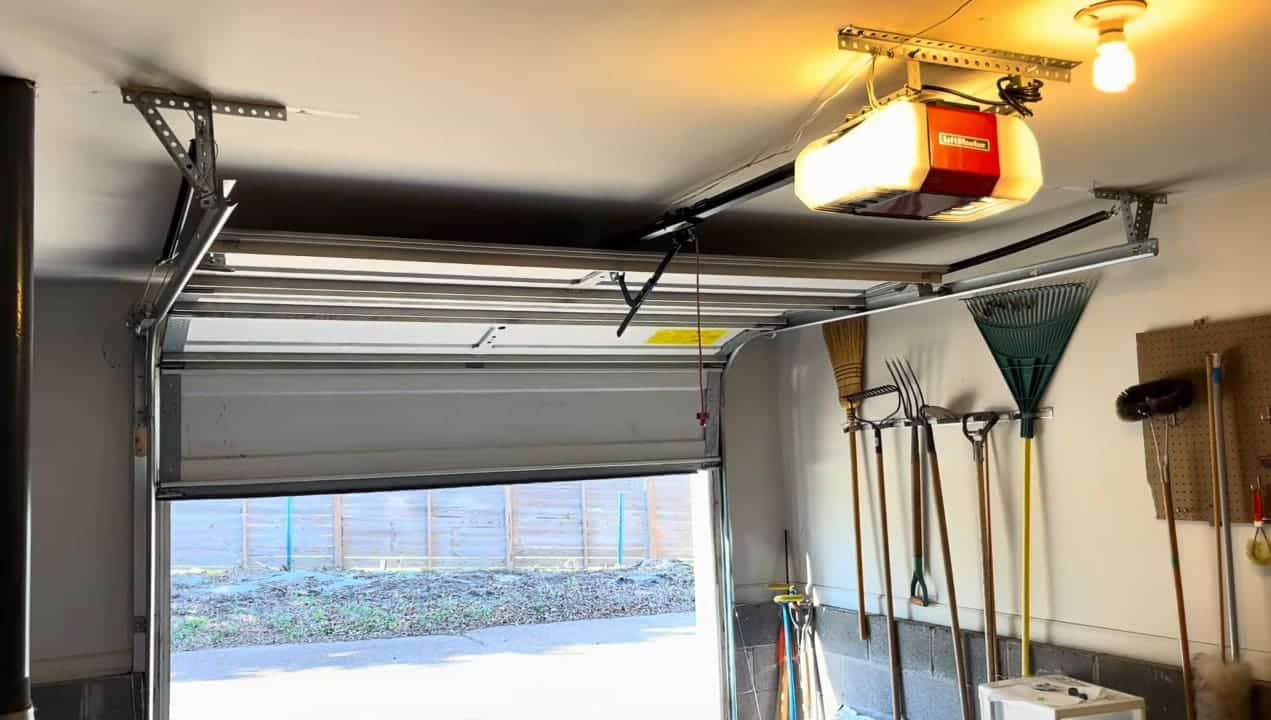
Regular inspection of your garage door is crucial to ensure its longevity and functionality. Knowing how to check garage door panels for damage can save you from costly repairs and potential safety hazards. This guide will walk you through the necessary steps to effectively assess your garage door panels, ensuring your home remains secure and your garage door operates smoothly.
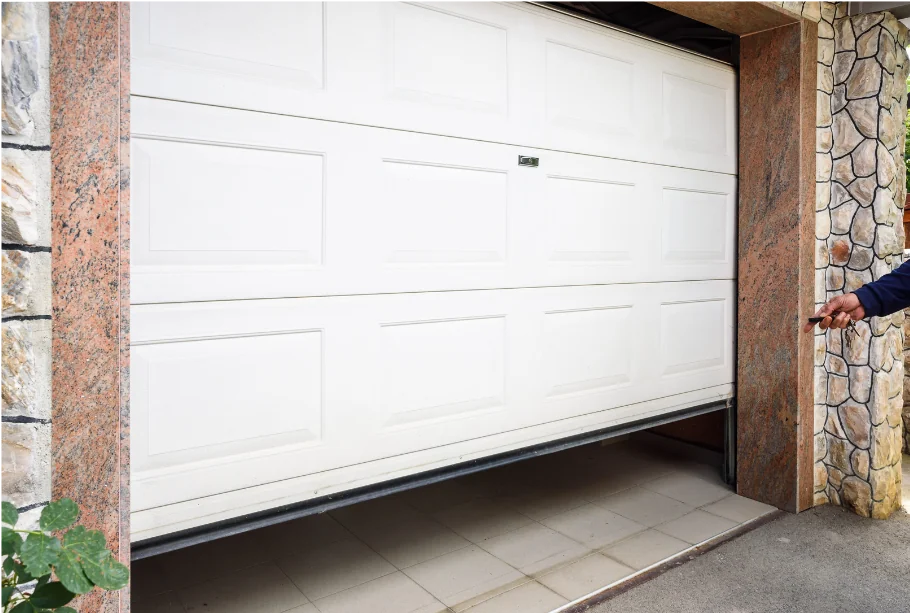
Why Regular Garage Door Panel Inspection Is Crucial
Garage doors are an essential part of your home, providing security and ease of access. Over time, wear and tear can lead to damage in the panels, which might compromise the door’s integrity. Regular inspection helps in identifying issues before they escalate, ensuring your safety and saving on future repair costs.
Identifying Visible Damage
The first step in checking your garage door panels is to look for any visible signs of damage. This includes dents, cracks, or warping in the panels. Such damages can occur due to weather conditions or accidental impacts. If you notice significant visible damage, it’s advisable to consult a professional for a detailed assessment. For more tips on inspecting garage doors, check out this guide.
Listening for Unusual Noises
When operating your garage door, pay attention to any unusual sounds. Creaking, grinding, or squeaking noises can indicate a problem with the panels or the door’s mechanism. Regular lubrication and maintenance can prevent such issues.
Checking for Alignment Issues
Misalignment is a common issue with garage doors, often leading to uneven operation or gaps. To check for alignment, observe how the door moves along the tracks. If it seems uneven or gets stuck, the panels may be misaligned. You can find more detailed steps on aligning your garage door in this resource.
Examining Weather Seals
The weather seals at the bottom of your garage door are crucial for insulation and protection against the elements. Over time, these seals can wear out, leading to drafts and increased energy costs. Ensure the seals are intact and replace them if necessary. For a detailed guide on inspecting weather seals, visit this page.
Performing a Balance Test
A balance test is an important step in determining the health of your garage door panels. Disconnect the opener and manually lift the door halfway. If it stays in place, the door is balanced. If it moves, there might be an issue with the springs or panels.
Inspecting for Water Damage or Rot
Water damage is a serious concern, especially for wooden garage doors. Look for signs of rot or moisture damage, which can weaken the panels and compromise the door’s structure. Regular sealing and painting can help protect against water damage.
Evaluating Hardware and Fasteners
Check the hardware, including hinges, bolts, and screws, for any signs of rust or wear. Tighten loose components and replace any damaged ones to ensure the door operates smoothly and safely.
Consulting a Professional
While many inspection tasks can be performed by homeowners, some issues require professional expertise. If you’re uncertain about the condition of your garage door panels, consider consulting a professional to ensure thorough assessment and repair.
FAQs
How often should I inspect my garage door panels?
It’s recommended to inspect your garage door panels every six months to ensure they are in good condition.
What should I do if I find significant damage?
If you find significant damage, it’s best to contact a professional for a detailed assessment and repair.
Can I fix minor panel damage myself?
Yes, minor damages such as small dents or surface rust can often be repaired with DIY methods, but ensure you have the right tools and materials.
This article contains affiliate links. We may earn a commission at no extra cost to you.