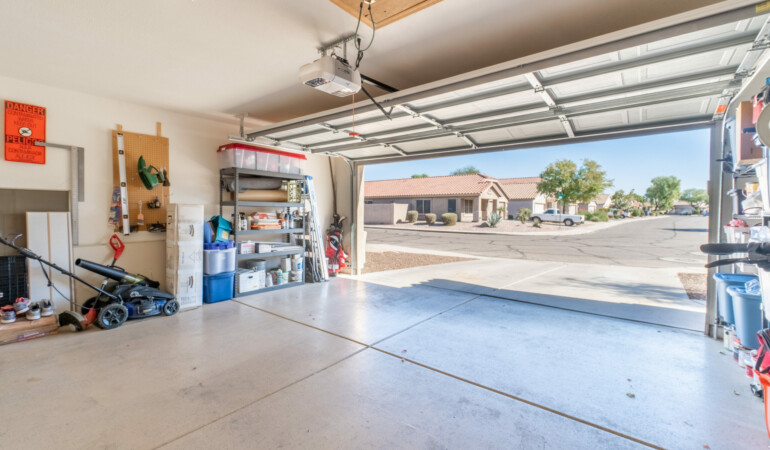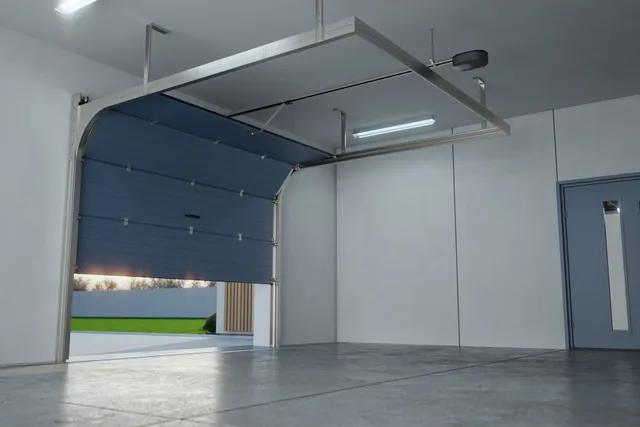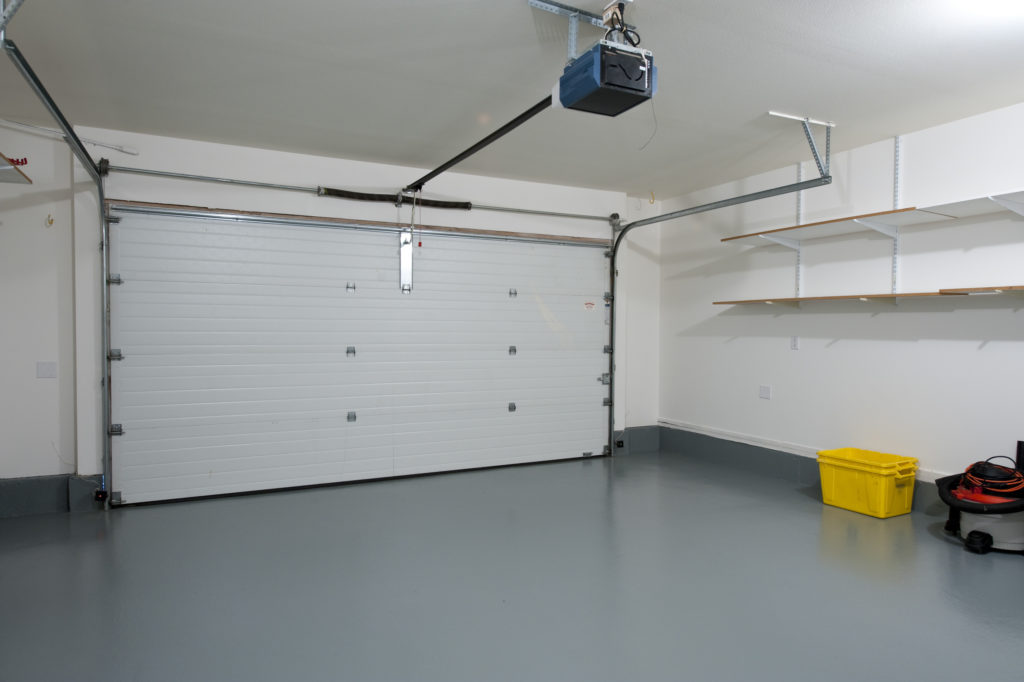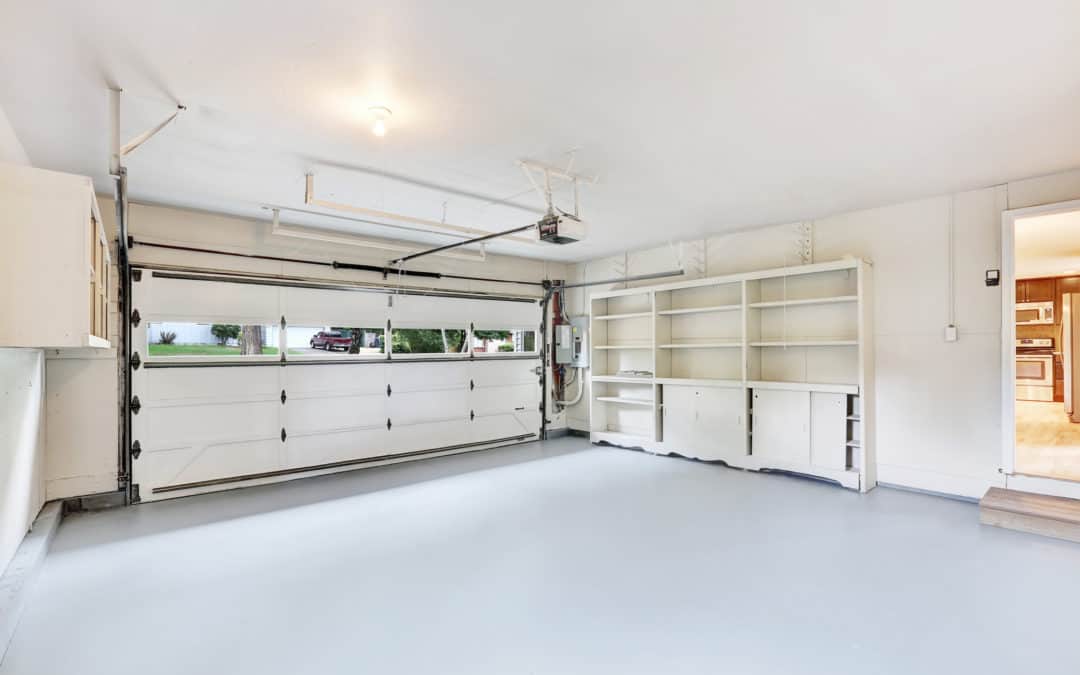
Every homeowner understands the importance of maintaining various elements of their home, but one part that often gets overlooked is the garage door. Performing an annual garage door inspection can save you from unexpected repairs and ensure the safety of your family. This guide will walk you through the process of inspecting your garage door, helping you catch any potential issues before they become major problems.

Why Is an Annual Garage Door Inspection Important?
The garage door is not just an entryway; its a crucial component of your homes security and curb appeal. Regular inspections help in identifying wear and tear, preventing costly repairs, and ensuring smooth operation. An inspection can also extend the lifespan of your garage door, saving you money in the long run.
Ensure Safety and Security
The primary reason for a garage door inspection is to ensure it functions safely. A faulty garage door can pose significant safety risks, such as falling unexpectedly or failing to open during emergencies. With regular inspections, you can address these issues promptly.
Prevent Costly Repairs
By conducting regular inspections, you can spot minor issues before they escalate into costly repairs. For instance, identifying a frayed cable or a worn-out spring early can prevent larger issues that might require a complete door replacement.
Tools You’ll Need for the Inspection
Before starting your inspection, gather the necessary tools to ensure a thorough examination. Youll need a wrench, a level, a flashlight, and a notepad for taking notes. Having these tools handy will make the inspection process smoother and more efficient.
Steps to Conduct a Thorough Inspection
1. Visual Inspection
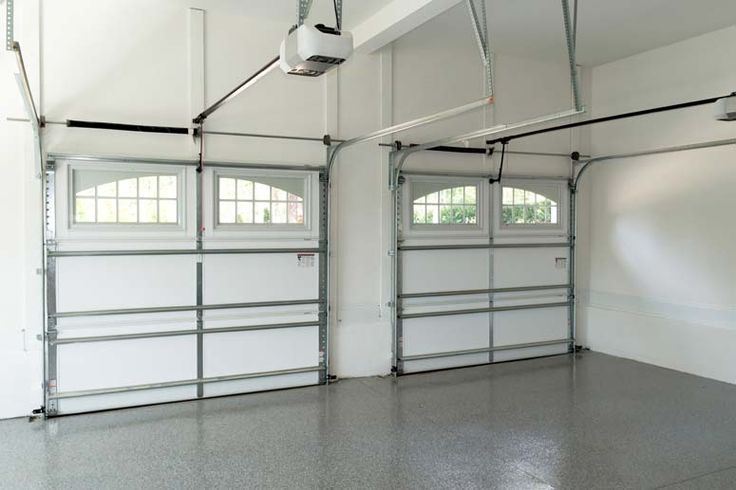
Begin with a visual inspection of your garage door. Look for obvious signs of wear and damage, such as dents, rust, or cracks. Pay special attention to the doors panels, springs, and tracks. If you notice any anomalies, take note and consider consulting a professional.
2. Test the Balance
To test the balance of your garage door, disconnect the opener and manually lift the door halfway. If it stays in place, the door is balanced. If it falls or rises, the tension needs adjustment. This step is crucial as an unbalanced door can strain the opener and lead to premature failure.
3. Examine the Hardware
Check all nuts and bolts, ensuring they are tight. Loose hardware can cause the door to operate poorly or even become a safety hazard. Use your wrench to tighten any loose bolts you find during the inspection.
4. Inspect the Cables and Springs
Garage door cables and springs are under high tension and can be dangerous if damaged. Look for signs of wear, such as fraying or rust. Its advisable to have a professional handle any spring or cable replacements to avoid injury.
5. Test the Auto-Reverse Feature
The auto-reverse feature is a critical safety component. Test it by placing a small object in the doors path and attempting to close the door. If it doesnt reverse upon contacting the object, the feature needs adjusting. This feature ensures that the door retracts if it encounters an obstruction, preventing injury or damage.
6. Lubricate Moving Parts
Apply lubricant to all moving parts, such as rollers, hinges, and tracks. This reduces friction and ensures smooth operation. Use a silicone-based lubricant for the best results, and avoid using grease as it can attract dirt and debris.
Additional Tips for Maintaining Your Garage Door
Check the Weatherstripping
Inspect the weatherstripping at the bottom of the door. If its cracked or damaged, replace it to prevent drafts and pests from entering your garage.
Listen for Unusual Noises
Operate the door and listen for any unusual noises. Grinding or scraping sounds can indicate issues with the rollers or tracks. Address these issues promptly to avoid more extensive repairs.
Consider Professional Assistance
If youre unsure about any aspect of your inspection or notice significant issues, consult a professional. They can provide a detailed assessment and necessary repairs, ensuring your garage door remains in top condition.
Resources for Further Reading
For more detailed information on garage door inspections, you can visit Clopay Door Blog and the NACHI Garage Door Guide. These resources offer comprehensive insights into maintaining your garage door effectively.

FAQs About Garage Door Inspection
How often should I inspect my garage door?
Its recommended to perform an inspection at least once a year to ensure everything is functioning correctly and safely.
Can I perform a garage door inspection myself?
Yes, many aspects of the inspection can be done by homeowners. However, for more complex issues or if youre unsure, its best to consult a professional.
What should I do if my garage door is unbalanced?
If your garage door is unbalanced, its advisable to contact a professional to adjust the tension. Attempting to fix it yourself can be dangerous.
Regularly inspecting your garage door can prevent unexpected repairs and ensure your home remains safe and secure. By following the steps outlined in this guide, you can maintain your garage door effectively and enjoy peace of mind knowing everything is in working order.
This article contains affiliate links. We may earn a commission at no extra cost to you.