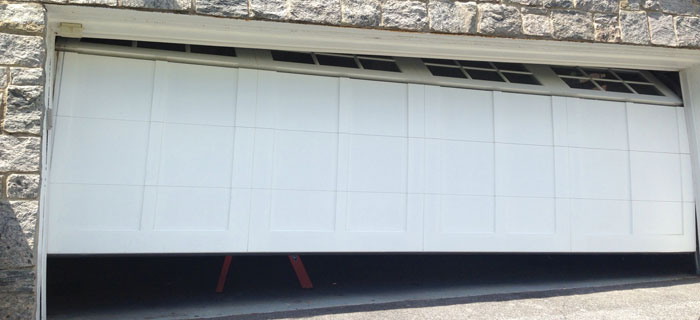
A garage door that gets stuck or binds halfway can be a real inconvenience, especially when you rely on it for daily access and security. This issue is common in both residential and commercial settings, and it often signals a problem with alignment, hardware, or lubrication. Fortunately, most causes can be identified and resolved with a systematic approach, saving you time and money on unnecessary repairs.
In this article, you’ll learn how to fix garage door binding halfway using clear, step-by-step instructions. We’ll cover the most frequent causes, practical troubleshooting methods, and preventative maintenance tips. If you suspect related issues, such as misaligned cables, you may also find our guide on how to know if garage door cable is off track helpful for further diagnosis.
Common Reasons for Garage Door Sticking or Jamming
When a garage door stops moving smoothly and binds at a certain point, several underlying factors could be at play. Understanding these causes is the first step toward a reliable fix.
- Track Misalignment: If the tracks are bent, loose, or not parallel, the door may catch or bind as it moves.
- Obstructions: Debris, dirt, or small objects lodged in the tracks can impede the door’s movement.
- Worn Rollers: Rollers that are damaged or no longer rolling smoothly can cause the door to stick.
- Spring or Cable Issues: Problems with the tension springs or cables can affect the balance and operation of the door.
- Lack of Lubrication: Dry or rusty moving parts increase friction, making the door harder to open or close.
- Weather Changes: Temperature fluctuations can cause metal components to expand or contract, sometimes leading to binding.
Step-by-Step Guide to Resolving a Garage Door That Binds Halfway
Addressing a garage door that gets stuck partway requires a careful inspection and a methodical repair process. Follow these steps to restore smooth operation:
1. Inspect the Tracks and Rollers
Begin by visually examining the tracks on both sides of the door. Look for bends, gaps, or misalignment. Check the rollers for signs of wear or damage. If you notice the door is off its track or the cable is loose, refer to our detailed guide on cable alignment for additional help.
2. Clear Any Obstructions
Remove any debris, dirt, or foreign objects from the tracks. Even small pebbles or buildup can cause significant binding. Use a brush or vacuum to clean the area thoroughly.
3. Check and Adjust Track Alignment
Use a level to ensure the tracks are perfectly vertical and parallel. If you find misalignment, loosen the mounting brackets slightly and gently tap the tracks back into position. Retighten the brackets and test the door’s movement.
4. Lubricate Moving Parts
Apply a high-quality garage door lubricant to the rollers, hinges, and tracks. Avoid using grease, which can attract dirt. Regular lubrication reduces friction and helps prevent future binding.

5. Examine Springs and Cables
If the door still binds, inspect the tension springs and cables for signs of wear or improper tension. Broken or stretched springs can cause uneven movement. For safety, adjustments to springs should be performed by a professional, as they are under high tension.
If you notice symptoms such as loud noises or uneven lifting, see our article on symptoms of broken garage door spring for more information.
6. Test the Door Opener
Sometimes, the opener itself may be the culprit. Disconnect the opener and try operating the door manually. If it moves smoothly by hand, the opener may need adjustment or replacement. For new openers, consider options with advanced safety features and smooth operation.
Preventative Maintenance for Smooth Garage Door Operation
Regular maintenance is key to avoiding future issues with a garage door sticking or binding. Here are some tips to keep your system in top shape:
- Inspect tracks, rollers, and hinges monthly for signs of wear or misalignment.
- Lubricate all moving parts every few months with a recommended garage door spray.
- Keep the tracks clean and free of debris at all times.
- Test the door’s balance by disconnecting the opener and lifting the door halfway; it should stay in place. If not, spring tension may need adjustment.
- Check the safety sensors and ensure they are properly aligned. For step-by-step instructions, see our guide on aligning garage door sensors.
When to Call a Professional
While many binding issues can be resolved with DIY methods, some situations require expert attention. If you encounter broken springs, frayed cables, or persistent misalignment after following the above steps, it’s best to contact a qualified technician. Attempting complex repairs without proper tools or experience can be dangerous.
For additional troubleshooting tips and professional advice, you can consult resources like this comprehensive guide on garage door halfway issues.
Frequently Asked Questions
Why does my garage door stop and reverse halfway?
This often happens due to misaligned tracks, dirty or obstructed rollers, or issues with the opener’s force settings. Check for physical obstructions, clean the tracks, and ensure the opener’s settings are correct.
Is it safe to fix a binding garage door myself?
Many minor issues, such as cleaning tracks or lubricating rollers, can be handled safely at home. However, repairs involving springs or cables should be performed by professionals due to the risk of injury.
How often should I lubricate my garage door parts?
It’s recommended to lubricate the rollers, hinges, and tracks every three to six months, or whenever you notice squeaking or increased friction. Use a product specifically designed for garage doors for best results.
What should I do if my garage door still binds after maintenance?
If the problem persists after cleaning, aligning, and lubricating, inspect the springs and cables for damage. Persistent issues may indicate a deeper mechanical problem that requires professional diagnosis and repair.
Conclusion
Addressing a garage door that binds halfway is usually straightforward with the right approach. By inspecting the tracks, rollers, and opener, and performing regular maintenance, you can ensure reliable operation and extend the life of your garage door system. For more in-depth troubleshooting, consider exploring related topics such as garage door motor overheating signs or garage door spring tension adjustment guide to keep your setup running smoothly year-round.